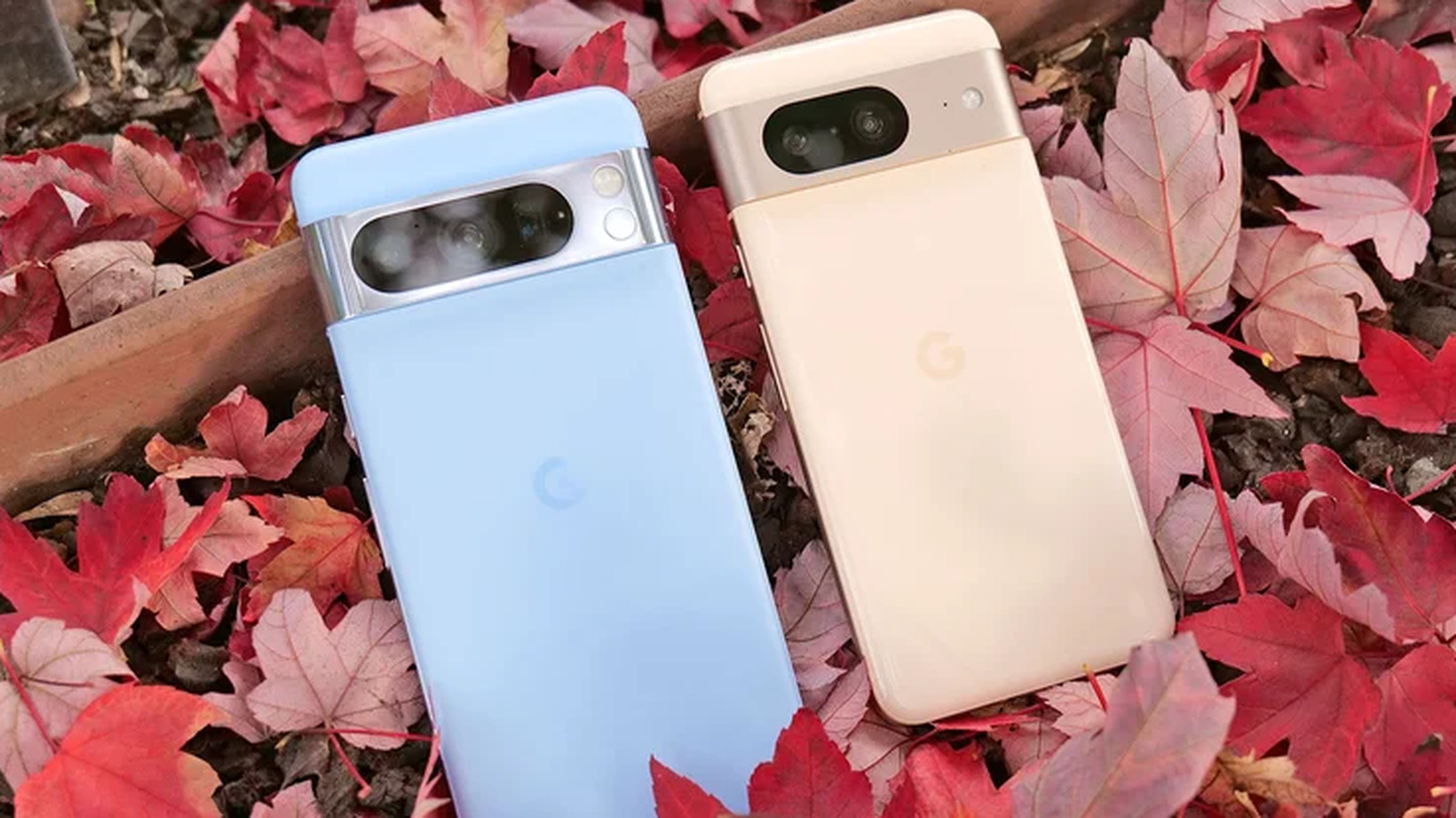
Expensive phone cases: When and why it's worth paying more
With smartphones becoming more expensive, protection is key. This article explains how to choose a case—from materials and design to extra features and brand.
Due to rising memory and storage costs, smartphones are pricier than ever, and even budget models are seeing price hikes. Today, a phone is more than a communication device—it's a wallet, keyring, banking terminal, and much more. Breaking your phone is a major inconvenience, and recovering critical data can be impossible. Most users opt for a case, but prices vary wildly from suspiciously cheap to exorbitantly expensive. A high price doesn't guarantee quality, and overpaying for ineffective protection only adds insult to injury. Fortunately, choosing a great case at the right price isn't a guessing game once you know which materials and designs offer the best protection.
Materials and design
A good case absorbs and distributes impact like a bike helmet. Soft, absorbent materials are crucial. Cases made entirely of rigid materials like wood or metal may look nice and prevent scratches, but they fail when dropped. Quality cases are typically made from plastics and rubber. TPU plastic is common due to its flexibility, affordability, and manufacturability; silicone is also popular. This means you can get a highly protective case for around $20. However, these materials are environmentally harmful—plastic cases linger in landfills for ages. Fortunately, eco-friendly cases made from organic materials like flax or hemp, or recycled plastic, now offer comparable protection, though at a higher price. Design also matters: good cases have tight tolerances, raised lips to protect the screen and camera, and reinforced corners with air cushions to prevent impact concentration.
Extra features
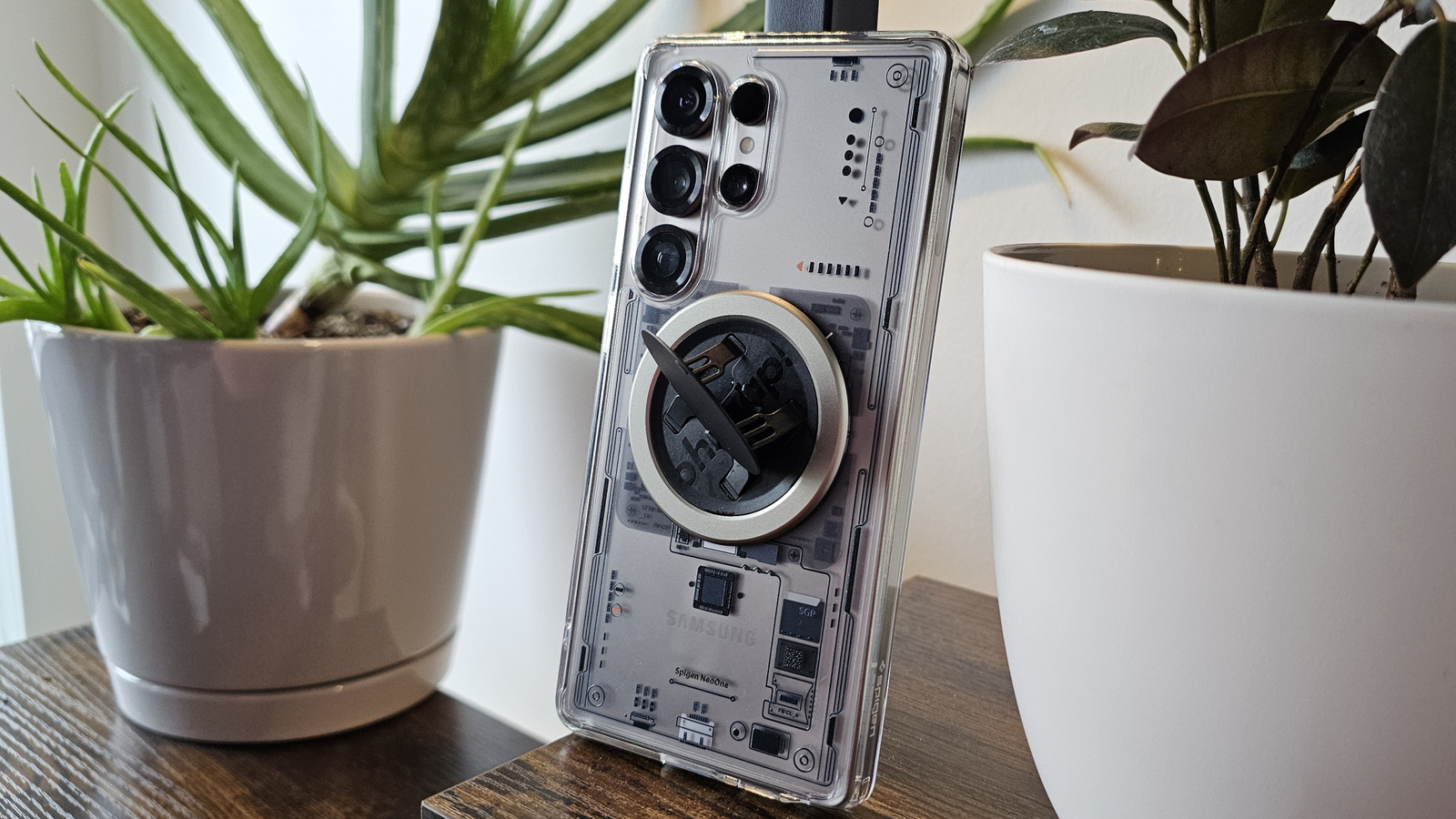
Once you've found a well-built case, remaining price differences come down to aesthetics and features. For instance, using MagSafe chargers requires a magnet ring, which may add cost. Not all magnets are equal—if you need the phone to stick to a refrigerator, you'll pay more. Built-in card holders, kickstands, or camera covers also increase the price. Some technically advanced features justify a premium, like the Pitaka 600D, which uses NFC to add physical shortcut buttons to Android phones, despite offering less protection than competitors. Some vendors, especially those relying on perceived quality, charge more for intangibles like lifetime warranties. Dbrand, for example, promised to replace yellowing 'Ghost' clear cases for free, and when design flaws caused scratches, they developed a new design and sent it to customers at no extra cost.
Brand significance
Brand is not irrelevant. A well-known brand allows easier research to verify whether claims hold up in real-world use.