Polish Gardening Advice: Test Soil pH Before Spreading Dolomite on Vegetable Beds in Autumn
The Polish agricultural portal Farmer advises that acidic soil can be improved with dolomite after harvest, but only once its pH has been measured. Excessive liming can do more harm than good.
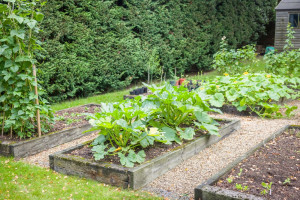
The Polish agricultural portal Farmer published guidance on 25 October on preparing vegetable beds in autumn: after the harvest, overly acidic soil can be improved with dolomite, but its pH must be measured first. Dolomite is a natural rock containing calcium and magnesium compounds. In gardening it is used to raise the pH of overly acidic soil gradually and to make up for magnesium deficiency. If the soil does not need liming, the material should not be applied, because too much can cause harm.
Measure the pH first
The most common mistake is spreading dolomite as a precaution without checking the soil reaction. pH can be measured with a simple tester or a kit sold in garden shops, while analysis of a soil sample gives more precise results. A reading below 6 is not always enough to determine the dose. The Polish Institute of Soil Science and Plant Cultivation (IUNG) stresses that liming needs depend on both the current pH and the soil's agronomic category: very light, medium and heavy soils react differently.
When and how to apply
The most convenient time is after the harvest, when the beds are empty and the material can be mixed into the topsoil. IUNG recommends liming after harvest and mixing the material thoroughly with the soil. In a small garden, the product is spread evenly in the dose given by the manufacturer and adjusted to the soil test, then, if the instructions require it, worked in shallowly. It is best done on a windless day, since finely ground dolomite is very dusty and eyes and airways should be protected. Dolomite acts slowly, so changes take place over weeks and months.
Avoid overdoing it and mixing
An excessive dose can lead to over-liming, and pH that is too high also makes it harder for plants to take up nutrients. Caution is needed where acid-loving plants grow: blueberries, rhododendrons, azaleas and heathers. Dolomite should not be applied at the same time as manure, since freshly limed soil promotes nitrogen losses as ammonia. Poland's Ministry of Agriculture also stresses this. Similar caution applies to mineral nitrogen fertilisers.
If the soil pH is already suitable, the bag of dolomite is better left closed.