Gardeners advise: correct apple tree pruning ensures years of good harvests
Experts say proper pruning is one of the most important aspects of apple tree care, directly affecting the tree's health and fruit yield in future years. It is best done in late winter or autumn after harvest.
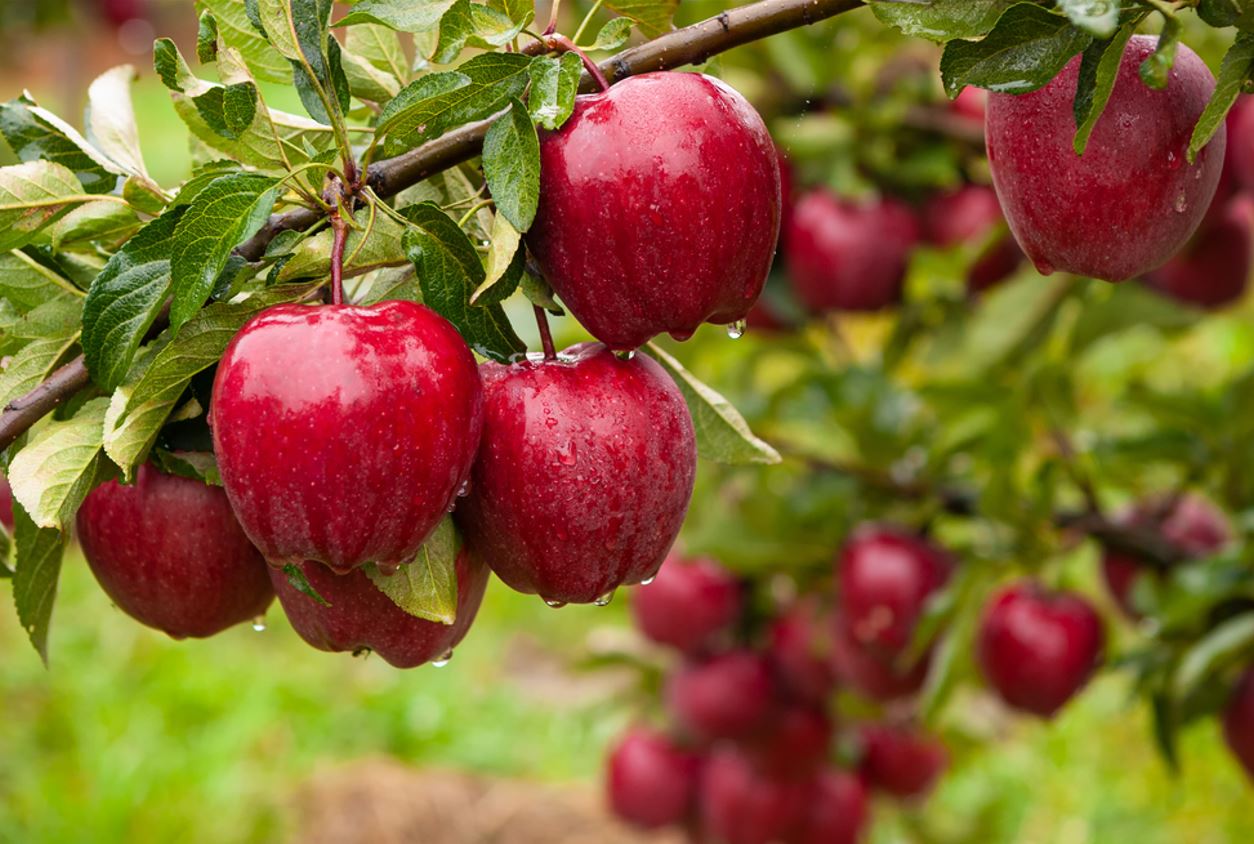
Apple trees are a popular garden addition requiring relatively little upkeep, but one task stands out as essential: proper pruning. It improves airflow between branches, reduces the risk of fungal diseases, and clears away excess foliage that shades the fruit.
According to arborists, apple trees often produce more fruit than they can properly support, which leaves many apples small and hampers the following season's harvest.
When to prune
The best time for pruning is late winter or autumn, right after the fruit has been picked. During this dormant period, cuts heal more easily and the risk of disease is lower. Young apple trees should be given a season or two to establish themselves before any pruning begins.
Pruning is not recommended for very young trees whose root systems have not yet developed, or for diseased trees, as it can worsen their condition. For large trees requiring a ladder or chainsaw, it is advisable to hire a professional arborist.
How to do it correctly
Before starting, it helps to review the previous season's harvest — areas that produced many small fruits point to branches worth removing. First, keep only one main, upward-growing branch that forms the continuation of the trunk, removing any competing branches beside it.
Next, remove broken, crossing, or vertically growing branches, cutting about 7–10 centimeters from the main trunk or branch. Overly long branches that shouldn't be removed entirely can be shortened with an angled cut just above a bud or small branch, allowing fruit to keep developing there.
Careful planning and attentive pruning help an apple tree stay healthy and productive for many years to come.

/nginx/o/2026/08/22/17869910t1h0e93.jpg)