Data Centre Growth in Finland May Make Electricity Costlier in Latvia
An expert from the energy company Enefit says Latvia will no longer be able to count on cheap electricity from Finland, as data centres drive up demand in Finland and the Nordics. Enefit estimates that prices in Latvia could rise by 4.4 euros per megawatt-hour by the end of 2029.
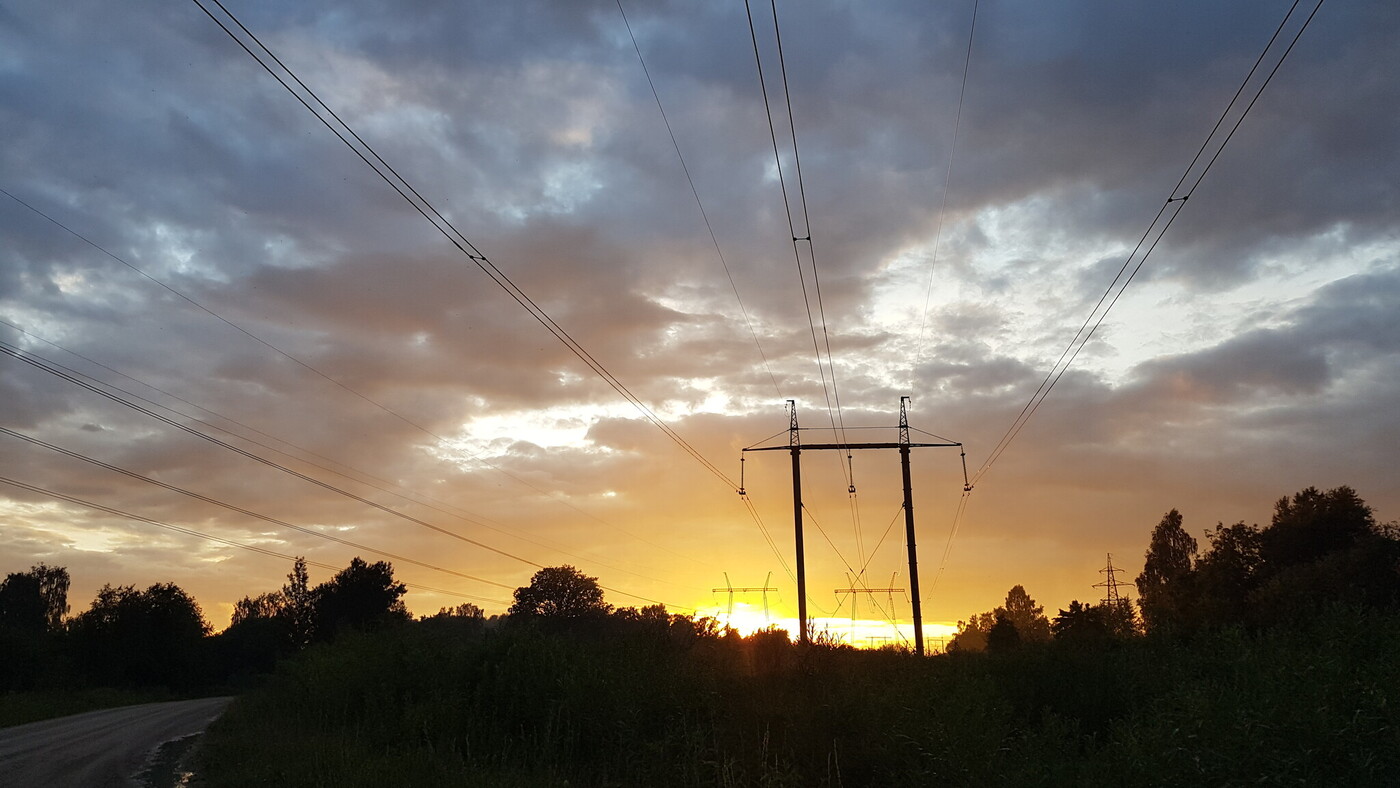
As data centres expand in Finland and electricity demand grows across the Nordic countries, Latvia will no longer be able to rely on cheap power from Finland. This was stated on Wednesday at the conference "Renewable Energy in Latvia 2027 - Quo Vadis?" held by the Latvian Renewable Energy Alliance (LAEA) by Romāns Tjurins, head of portfolio management and market research at the energy company Enefit. According to his presentation, most of the factors identified point to higher prices ahead.
Finnish data centres and prices
The development of Google data centres in Finland could have a significant effect. Enefit estimates that by the end of 2029 demand in Finland could rise by 4.6 terawatt-hours, or 4.7%. Prices in Finland could increase by around eight euros per megawatt-hour (15.4%), and in Latvia by 4.4 euros per megawatt-hour (5.8%). Forecasts suggest that by 2035 data centre capacity in Finland could reach five gigawatts, making it the fifth-largest data centre market in Europe.
Prices could also be pushed up by the Harmony Link stage of the Poland–Lithuania interconnector, planned for the fourth quarter of 2030. An increase in commercial capacity on the Latvia–Estonia interconnection in 2027, by contrast, could lower prices. In the longer term, the EstLink 3 Estonia–Finland interconnector could do the same, though its earliest possible completion date is 2038.
Baltic projects and scepticism
Tjurins voiced doubts about whether data centre growth will be as large as forecast. The combined potential capacity of identified projects in the Baltics exceeds 4.2 gigawatts, more than the Baltic average peak load of 4.04 GW from 2022 to 2025. However, only 24 megawatts, or 0.6%, is under construction, and half of the projects have no stated completion year.
Enefit calculates that if data centres with 200 MW of capacity entered the market, the price in 2027 would be six euros per megawatt-hour higher than in the base scenario. With 500 MW, the gap in 2027 would reach 19 euros. Tjurins stressed that the economic benefit of data centres must be weighed against the costs to society.
Renewable energy
Tjurins noted that renewable capacity already built is lowering prices. In October the average exchange price in Latvia was 112.9 euros per megawatt-hour, about 56.6 euros lower than in Germany. Solar capacity in the Baltics grew from 0.6 to 5.4 gigawatts between 2022 and 2026, and onshore wind capacity from 1.1 to 3.3 gigawatts.