David Hockney: 10 Ways the Artist Changed the Art World
British artist David Hockney, who died in June 2026, left an indelible mark on art – from redefining perspective to embracing iPad drawings.
Master Synthesizer
Hockney was not an artist who appeared out of nowhere. He skillfully blended minimalism, abstraction, traditional portraiture, and pop art ideas into something simple, immediate, and accessible that became a new direction.
Working-Class Hero
Growing up in Bradford, Hockney defied social expectations – working-class boys didn't go to art school. But he worked tirelessly, all his life.
Perspective Revolution
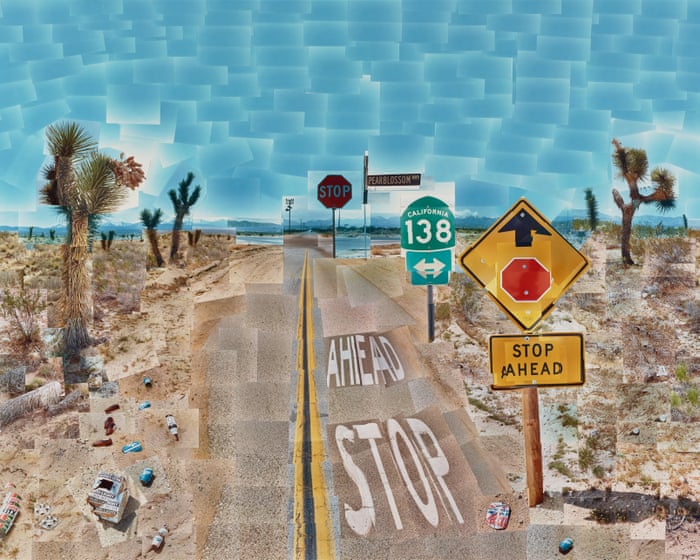
He saw traditional perspective as unrealistic. Instead, he used reverse perspective, moving the vanishing point behind the viewer or splitting it in multiple directions, creating a dynamic view.
Bridging Photography and Painting
For decades, Hockney used photography, especially collages from Polaroid shots. He photographed the same subject from multiple angles, creating kaleidoscopic images that merged both art forms.
Monumental Landscape
The forests of Yorkshire inspired Hockney to paint landscapes on a scale usually reserved for history or religious themes, elevating the everyday to monumental levels.
Technological Innovator
He embraced new technology early – in later years he created works on an iPad using a digital stylus. Though critics condemned them, the works remained unmistakably Hockney.
Redefining Los Angeles
Moving to California in 1964, Hockney created hyper-stylized, ultra-cool visions of life among palm trees and pools. His view still shapes how the world sees LA.
Portraits That Made Humans Human
From his mother to celebrities, Hockney portrayed everyone with the same grace and love of painting, even if later works became patchy.
Immersive Pioneer
In 2025, his London Lightroom exhibition “Bigger & Closer” combined autobiographical documentary and digital art, immersing viewers in his works.
Theatre and Opera
Hockney's simple, bold aesthetic suited the stage perfectly. He designed sets for productions such as "Ubu Roi", "Tristan und Isolde", and "The Magic Flute", using reverse perspective to draw viewers into the action.
Celebrating His Sexuality
His early works were filled with carnal and libidinal imagery, including enormous phalluses – a brave move for a gay artist in the 1960s that paved the way for others to express themselves freely.


