Democrats Take Both Houses of Congress: What It Means for the US Economy and Trump
The Democratic Party has won majorities in both the US Senate and House of Representatives in the midterm elections, but President Donald Trump's veto power and Senate rules limit its ability to change economic policy. Analysts expect two years of political gridlock.
The Democratic Party has won majorities in both the US Senate and the House of Representatives in the midterm elections, giving it control of Congress. President Donald Trump still has two years left in office. The economy was the top issue for voters, so analysts are weighing what the result will change in economic policy.
Market reaction
Markets initially fell but then recovered, and global stocks rose. Trump has already said he would become "Mr Veto" and block any legislation the Democrats advance. Stephen Brown of Capital Economics noted that the result does little to change the near-term policy outlook, because the Democrats lack a filibuster-proof majority in the Senate. Jacob Funk Kirkegaard of the Peterson Institute for International Economics expects two years of complete gridlock.
Some investors worry the Democrats could push through AI regulation, especially if they also win the presidency in 2028. Widespread public opposition to data centers helped several Democratic candidates win. Kirkegaard argues that local resistance could make data centers harder to build and affect the valuations of big tech firms.
Tariffs
In an early-October Pew Research Center poll, 56% of Americans said Trump's tariffs would have mostly negative effects, while 20% said mostly positive. This particularly shaped outcomes in states hit by counter-tariffs or with heavy trade with Canada, such as Texas, Michigan, Iowa and Illinois. Still, tariffs are the signature economic policy of Trump's second term, and it is unclear how the Democrats could force a change. Although the Constitution gives Congress authority over tariffs, various laws let presidents impose them citing national security or economic emergencies. Congress can now take further legal action to prevent escalation.
Iran and oil prices
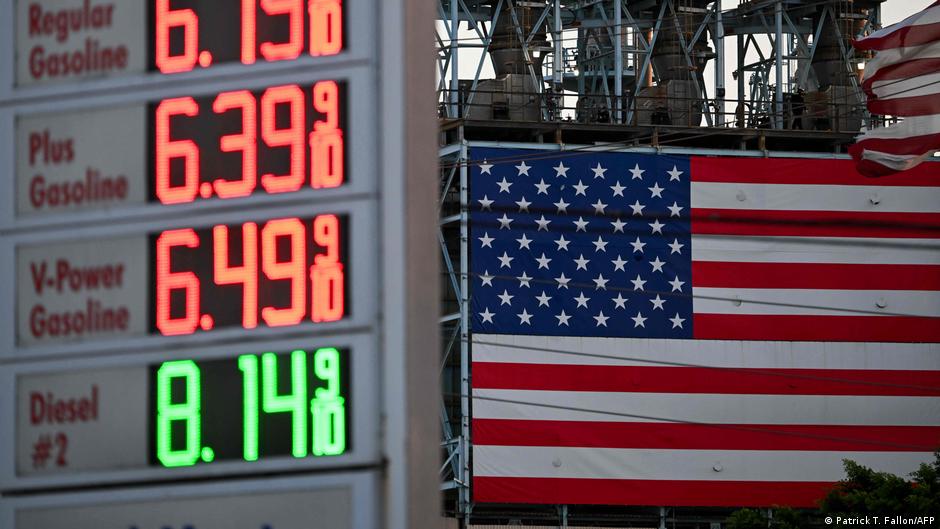
Kirkegaard says the defeat may make Trump less erratic on his trade war with Canada and on Iran. Trump said he would "work with" the Democrats and told the Financial Times he was unlikely to escalate the war in Iran. A deal with Iran could bring down energy prices.
Investigations and impeachment
Corruption was also a key voter concern. A Democratic-controlled Congress could launch investigations and possibly pursue another impeachment, which might make Trump more accommodating on economic issues.