Depression clues hidden in children's eyes: new study reveals attention patterns
A Binghamton University study found that depression affects how children attend to emotional faces, with patterns differing based on maternal history of depression.
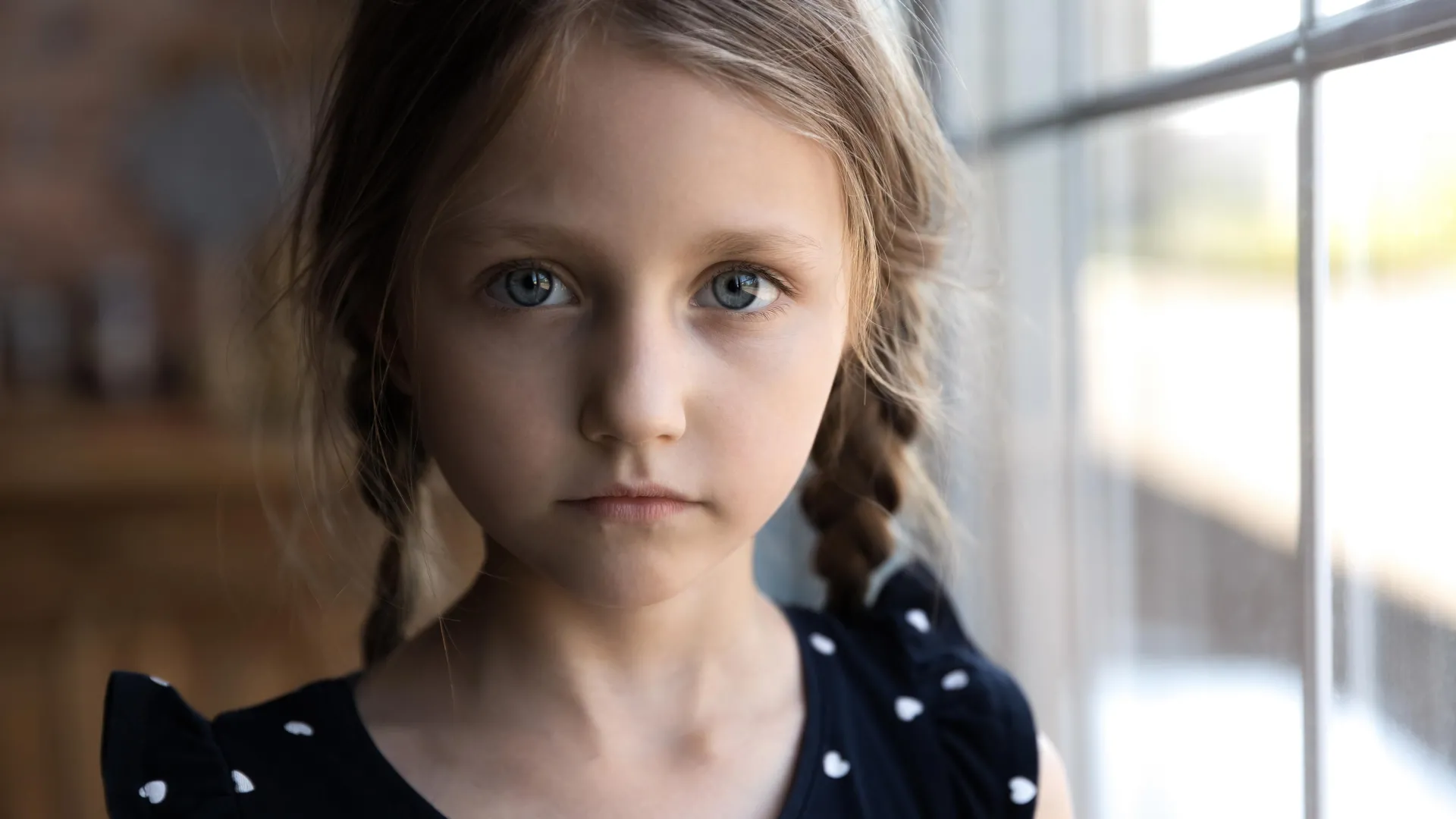
Scientists at Binghamton University, State University of New York, have discovered that depression can influence how children respond to facial expressions, revealing potential early signs of mental health issues. The study, published in the Journal of Psychopathology and Clinical Science, examined attention biases in children with and without a family history of depression.
Researchers followed 242 children and their mothers for two years, with assessments every six months. During each visit, children viewed pairs of faces on a screen: one neutral, the other emotional (happy, sad, or angry). Eye-tracking technology measured where the children looked and for how long.
The findings showed that as depressive symptoms increased, children of mothers with a history of major depressive disorder spent more time looking at sad faces. "For those who are already at risk, the more they experience depression themselves, the more they lose their ability to pull their attention away from sad things," said lead author Brandon Gibb, director of the Mood Disorders Institute.
In contrast, children whose mothers had no depression history showed decreased attention to happy faces when their own depressive symptoms rose. "In our lower-risk children, experiences of depression seem to erode a protective factor—how much they attend to happy faces," Gibb explained.
This study is the first to examine bidirectional relationships between depressive symptoms and attention biases in children. The researchers plan to continue following the participants into adolescence to determine whether these patterns predict future clinical depression.


/nginx/o/2026/10/12/17968671t1h883c.jpg)