Lawmaker: State Funding of a Magazine Gives Politicians No Right to Dictate Its Interviews
A member of Latvia's 15th Saeima and environmental scientist (Pro) writes in Ir magazine that the new agriculture minister Edgars Putra and farmers' group spokesman Mārtiņš Trons questioned whether the magazine "Bioloģiski" should have interviewed her. She argues that Agriculture Ministry co-funding gives no one the right to dictate editorial choices.
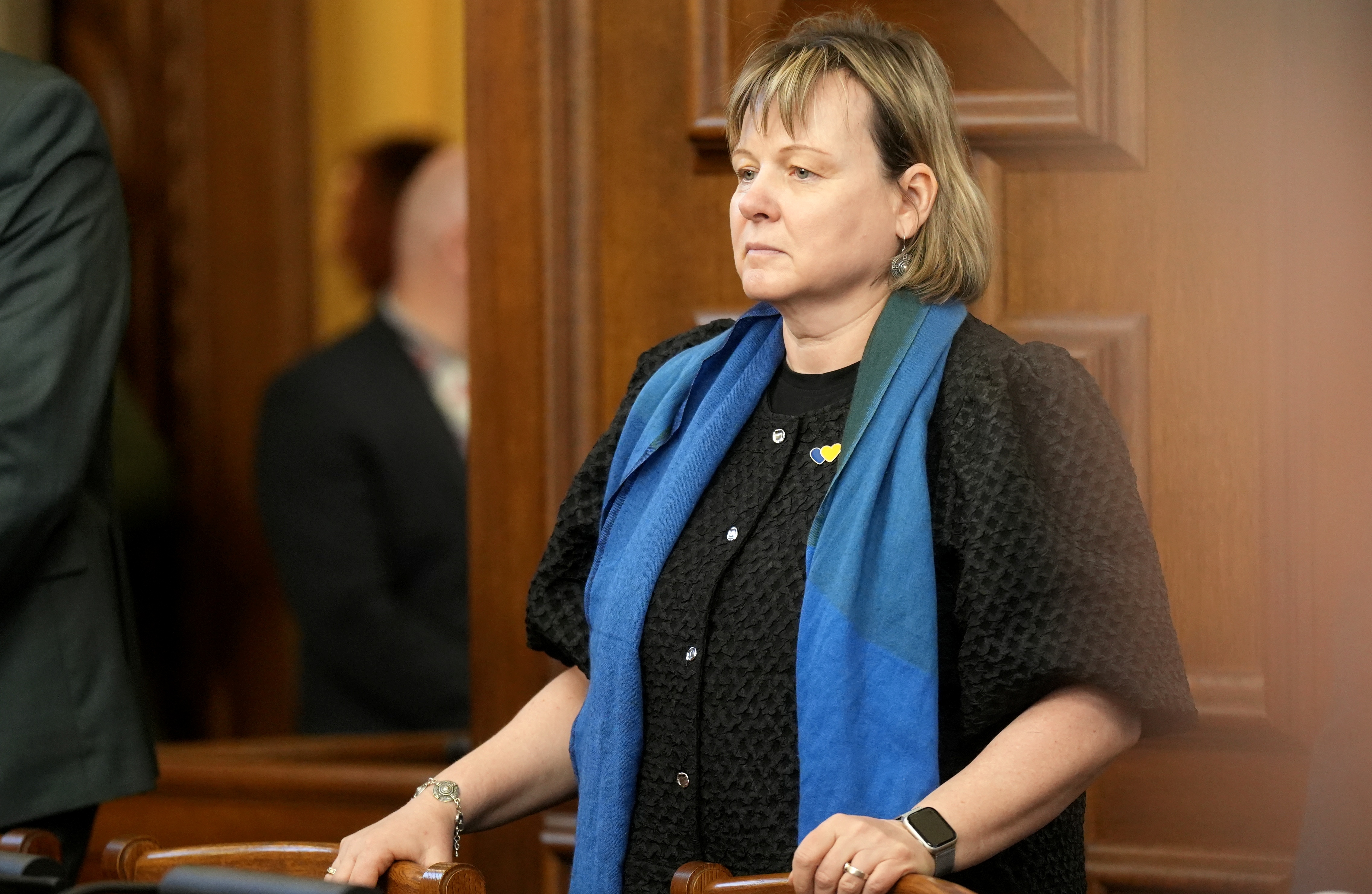
A member of Latvia's 15th Saeima, who is also an environmental scientist (Pro), writes in an opinion piece in Ir magazine that politicians and industry representatives have challenged the right of the magazine "Bioloģiski" ("Organic") to interview her. The magazine is partly funded by the Ministry of Agriculture. The author argues that this gives no politician or interest group the right to decide whom the editors may interview.
What happened
In October, after the parliamentary elections, "Bioloģiski" published an interview with her on sustainable procurement, organic farming and environmental protection. By her account, it provoked an unexpectedly sharp reaction. Edgars Putra (AS), a Saeima member and newly confirmed agriculture minister, questioned the editors' choice on the social network Threads. Mārtiņš Trons, spokesman for the association "Zemnieku saeima" (Farmers' Saeima), wrote on Facebook to editor Raivis Bahšteins that it is unacceptable for a magazine paid for by the Agriculture Ministry to turn against other farmers' organisations.
The procurement dispute
In the interview, the deputy explained why organic food should be included in meals at schools and other public institutions. She notes that the Saeima repealed the Cabinet's green procurement rules, and that the Public Procurement Law now lists sustainable procurement as a goal, taking environmental and social factors into account alongside economic ones. She also cites a Riga tender for school and kindergarten catering that gave preference to organic food. "Zemnieku saeima" urged that it be halted, objecting to a 300 km distance criterion. The author sees this as opposition to organic preference and to a municipality's right to choose.
She says a 2020 study she co-authored found that only 4% of tenders made organic food a mandatory requirement.
The author stresses that criticising agricultural policy is not an attack on farmers. A politician may disagree with views in a magazine, she writes, but has no right to decide whom it interviews.