Nine EU countries urge extension of emergency flexibility for new entry-exit system
Nine EU member states have asked the European Commission to extend the emergency mechanism that temporarily exempts travelers from biometric data collection, citing significant challenges with the new Entry/Exit System (EES).
A coalition of nine countries—Belgium, France, Germany, Greece, Italy, Malta, the Netherlands, Portugal, and Switzerland—has sent a letter to EU Home Affairs Commissioner Magnus Brunner, urging the European Commission to extend the use of the emergency flexibility mechanism for the newly launched Entry/Exit System (EES). The letter is dated July 7, 2026.
The states report that the first months of EES operation have revealed “significant difficulties” that should not be underestimated. While reaffirming their support for the system’s implementation, they request that the Commission allow the continued use of the built-in emergency mechanism beyond its current expiration date of September 6, 2026. This mechanism allows border authorities to temporarily suspend fingerprint collection and facial scanning in exceptional cases to reduce congestion, while still registering all travelers entering and leaving the Schengen area.
In the letter, the ministers also ask the Commission to provide written guarantees on the matter before the current flexibility expires. The EU executive has not yet shown readiness to extend the current flexible conditions beyond September 6.
European Commission spokesperson Markus Lammert stated that the Commission welcomes the “clear commitment” of the countries to fully implement EES and systematically register all non-EU travelers. He noted that the legislation already includes flexibility measures, such as the possibility to suspend biometric data collection during the summer. The Commission remains in “close and constructive contact” with member states facing difficulties at certain border points.
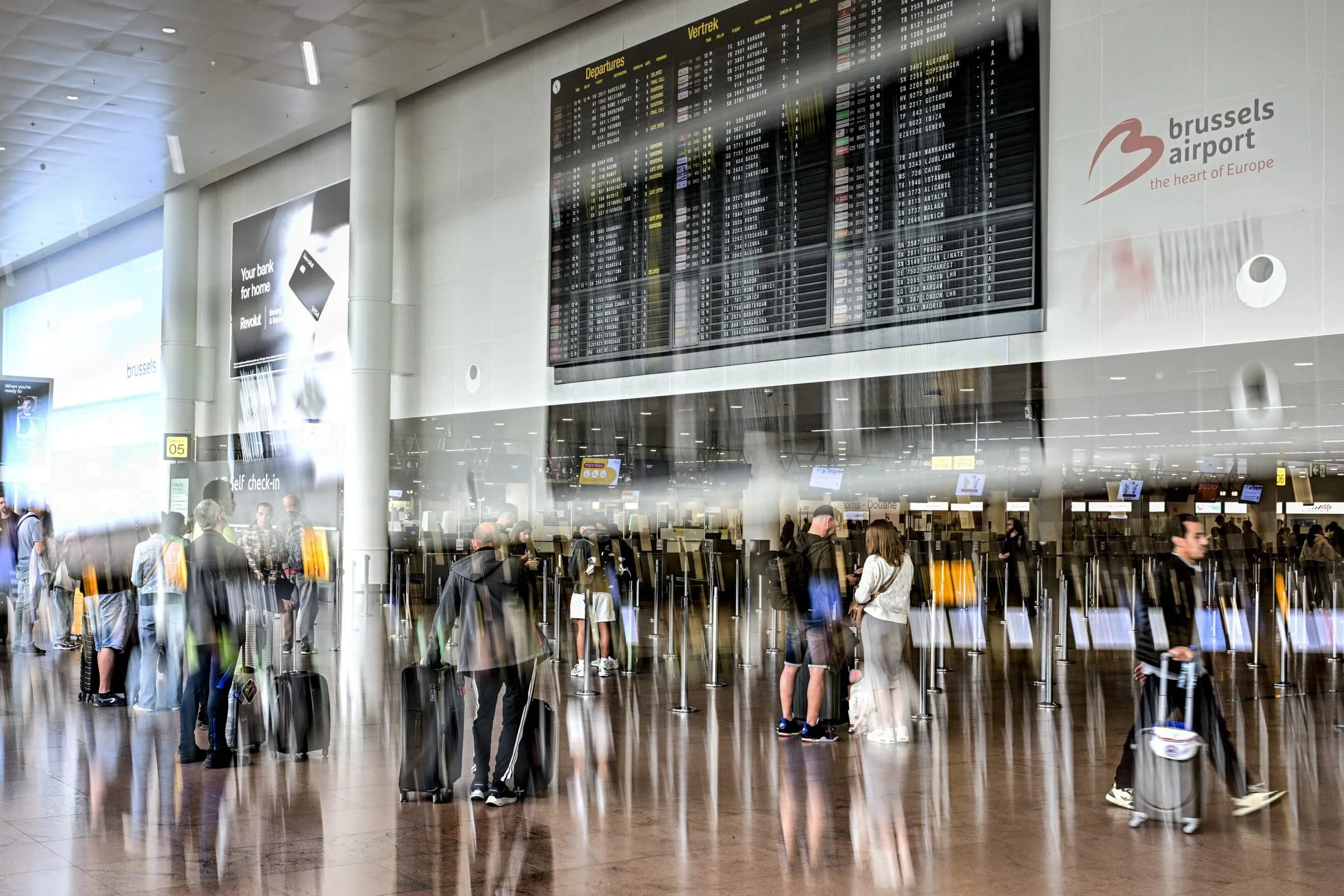
The letter comes as airports and airlines raise alarms over long queues and disruptions caused by the new system during the summer tourist season. Earlier, the EU rejected calls from the aviation industry to suspend the new biometric border checks after the system caused chaos at airports and land border crossings.

/nginx/o/2026/10/05/17956496t1h4605.jpg)