South Korea to review 310,000 missing persons cases after fake-record scandal
South Korea will re-examine about 310,000 missing persons cases closed over the past three years after a police officer was arrested for allegedly falsifying records to close files on two people later found dead.
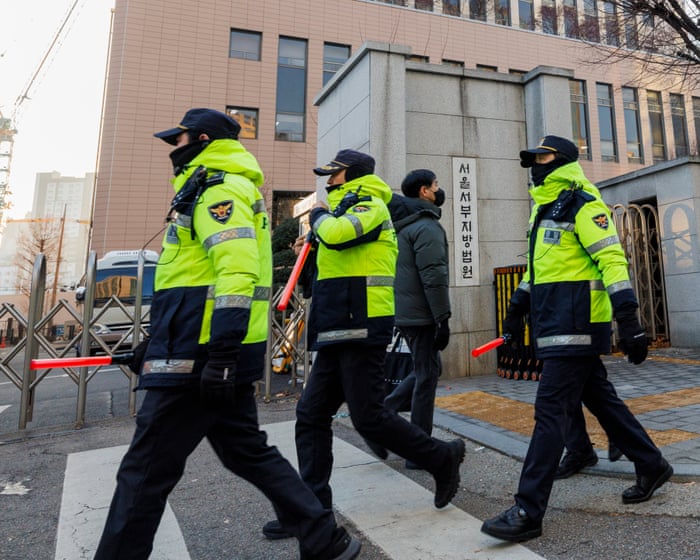
South Korean police will re-examine roughly 310,000 missing persons cases closed over the past three years, following a scandal in which an officer is accused of falsifying records to close files on two people who were subsequently found dead.
The case has drawn national attention. President Lee Jae Myung has ordered an investigation into how police handled it and told the force to prepare a reform plan. Interior Minister Yun Hojung publicly apologised on Wednesday, saying the incident revealed a structural flaw in how police manage missing persons cases.
Details of the scandal
The arrested officer worked on the missing persons team at Jeju Western police station, on the southern holiday island of Jeju. He is accused of closing the case of a 37-year-old woman, Jang Mi-ran, about two and a half hours after her partner reported her missing in mid-May. He allegedly told the partner he had contacted her and that she did not want her location disclosed, but police found no record of such a call. Her body was found on Monday in a palm farm roughly 400 metres from where she had been staying, 104 days after she was last seen.
The same officer is also accused of closing the case of a man in his 60s on the day his family reported him missing in early July; his body was found on Saturday. Separately, two other people reported missing on Jeju were found dead. The officer denies wrongdoing, saying he had contacted both missing people before closing their cases. He was arrested this week and faces charges including dereliction of duty and falsifying official electronic records.
A system under scrutiny
Under South Korean law, only children, autistic people, and people with dementia or mental disabilities are formally classified as missing, a status that allows police to request phone location data, send emergency alerts to phones in the area, and run family DNA matches. Everyone else is classified as a runaway, without automatic access to those tools.
More than 70,000 adults were reported missing last year, and 99.7% of those cases were closed without a full-scale search; 931 of the people involved were found dead. Over the past decade, lawmakers have introduced more than 10 bills to extend search powers to missing adults, none of which have passed. Critics argue adults should be free to disappear if they choose, warning that expanded police tracking powers could be misused by creditors pursuing debtors or by abusers hunting for partners who fled. The nationwide review is expected to be completed by November, according to Yonhap news agency, with any cases suspected of mishandling to be reopened.

