Digital car keys: convenient, but not without their downsides
Digital car keys let drivers lock, unlock and sometimes start their vehicle from a smartphone, but the technology comes with certain risks, including theft-related access and technical glitches. Manufacturers have built in several safeguards to address these concerns.
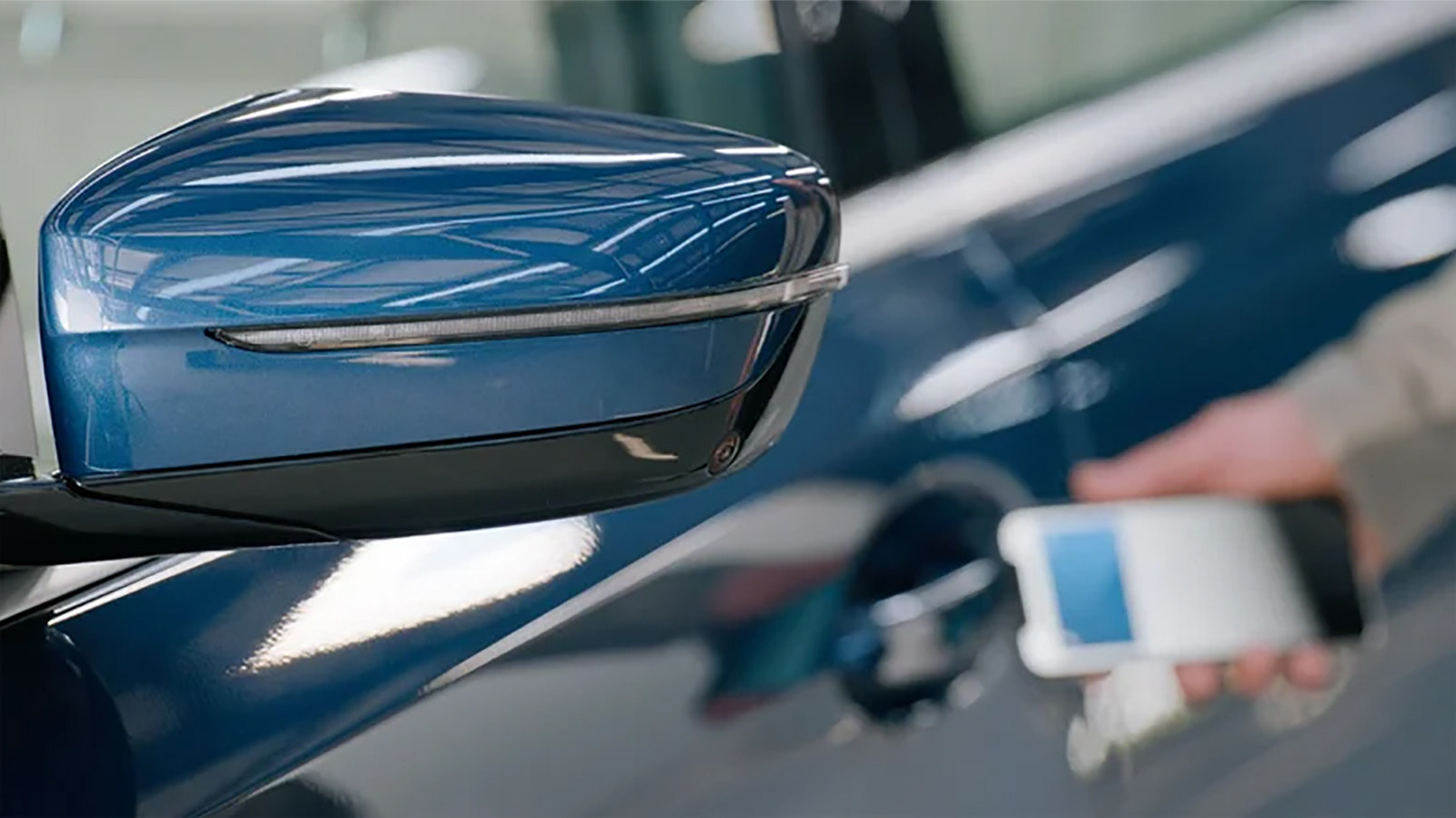
A growing number of automakers now let drivers lock, unlock and, in some cases, start their vehicle using a smartphone instead of a traditional key or fob. Digital car keys work on both Android and iOS through Google Wallet and Apple Wallet respectively, while Samsung offers its own version for select vehicles. The technology is based on a standard developed in 2018 by the Car Connectivity Consortium.
Security considerations
Unlike traditional key fobs, digital car keys are not vulnerable to relay attacks, where a thief amplifies a fob's signal to unlock a car without the fob being physically nearby. Digital keys instead rely on ultra-wideband (UWB) or near-field communication (NFC) technology, meaning the car will only unlock when the phone is actually close by.
Still, they aren't completely risk-free. If a phone is stolen, there is a possibility the thief could gain access to the vehicle. Most automakers build in additional layers of authorization to guard against this. Users are advised to protect their phones with two-factor authentication, strong passwords and remote-wipe capability. With Apple devices, for instance, marking a phone as lost automatically locks down the CarKey app.
What happens if your phone dies
Another common worry is a dead phone battery. Just as many key fobs include a hidden physical key as backup, digital keys have their own failsafe. On both Apple and Android devices, digital keys can continue functioning for up to five hours after the battery dies, drawing on reserve power through NFC.
Less common issues can arise from the app itself freezing, crashing or needing an update at an inconvenient moment, though such cases remain rare. Experts still recommend keeping a physical key fob on hand or at home as a backup for emergencies, even while relying primarily on a digital key.