Two lesser-studied “forever chemicals” linked to up to 2.5 times higher odds of liver cancer
A University of Southern California (USC) study has tied two lesser-known PFAS compounds to substantially higher liver cancer risk. The link was especially pronounced in people genetically predisposed to fatty liver disease.
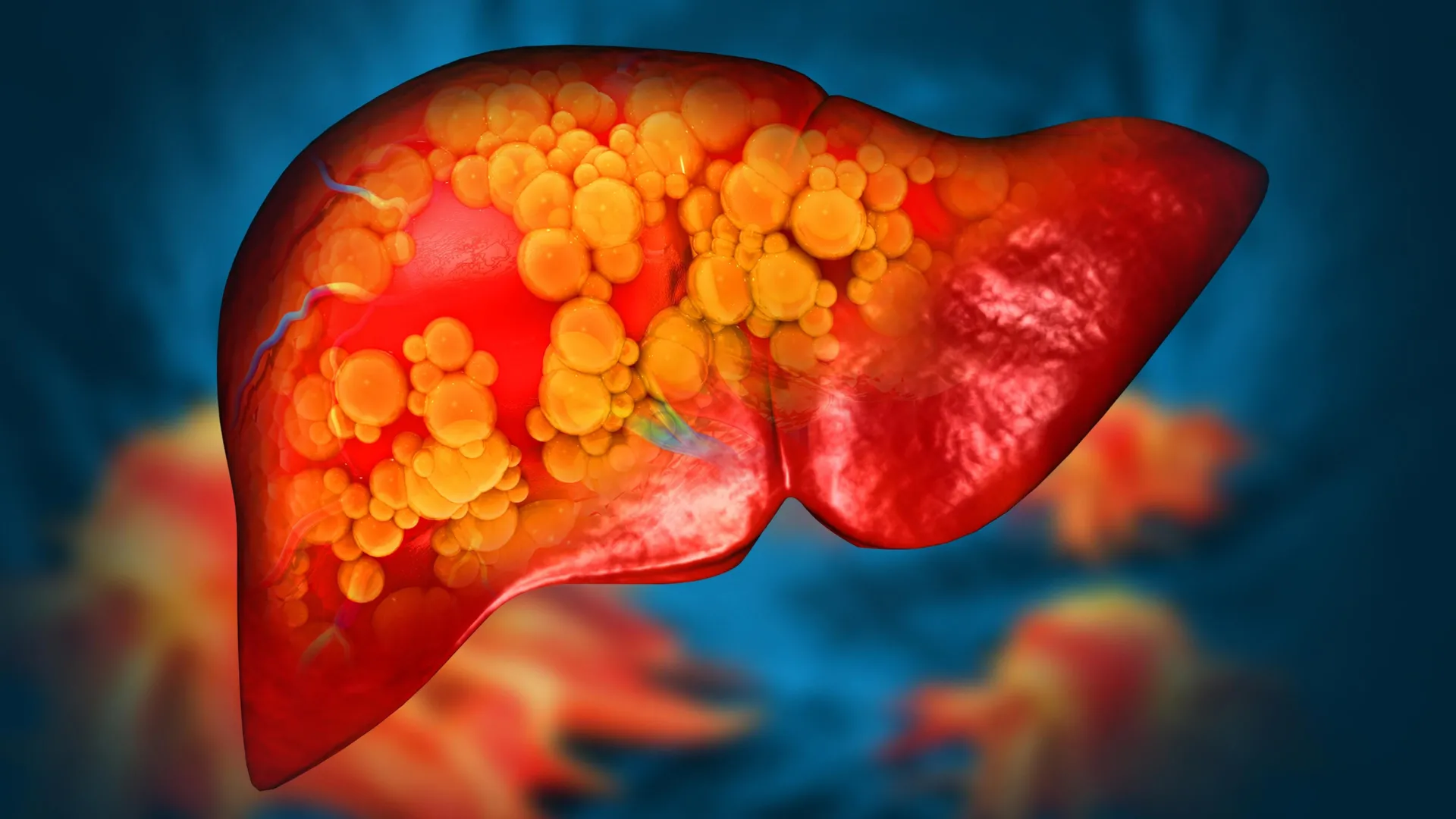
Researchers at the University of Southern California (USC) in the United States have found that two lesser-known PFAS compounds, often called “forever chemicals,” are associated with markedly higher odds of liver cancer. The study, published in Environmental Health Perspectives, also found that one of the chemicals was particularly strongly linked to the disease in people with an inherited susceptibility to fatty liver disease. The results suggest that research should look beyond the older PFAS compounds that have so far drawn most attention.
PFAS (per- and polyfluoroalkyl substances) are found in hundreds of products, including nonstick cookware, food packaging, stain-resistant fabrics and firefighting foam. They are called “forever chemicals” because they resist breakdown and can build up in the environment and remain in the human body for years or decades. PFAS have been detected in drinking water across roughly half of U.S. water systems, and an estimated 99% of people worldwide have measurable levels in their blood.
How the study worked
The team analysed blood samples from 223 participants in the Multiethnic Cohort Study (MEC) who later developed hepatocellular carcinoma, the most common form of liver cancer, along with 223 matched controls. Samples from those who developed cancer were collected on average 7.8 years before diagnosis. The MEC has followed more than 215,000 people in California and Hawaii since the 1990s.
Of 12 PFAS compounds measured, two showed statistically significant links to liver cancer: PFHpA and PFNA. PFHpA was introduced to replace older compounds PFOA and PFOS, which were phased out because of how long they persist in the body. People whose exposure to PFHpA or PFNA was in the highest 25% had between two and two-and-a-half times the odds of liver cancer compared with the lowest-exposure group.
The role of genetics
The study is the first to examine how inherited genetic traits and PFAS exposure may interact in liver cancer. Using a polygenic risk score for fatty liver disease, the researchers found the PFHpA association was considerably stronger in people with high genetic predisposition. Among those with low susceptibility, no statistically significant association was seen.
Lead author Jesse Goodrich, assistant professor at the Keck School of Medicine of USC, said the findings are actionable: lifestyle and diet changes and certain water filters can reduce exposure. In future, assessing PFAS exposure and genetic susceptibility could help identify people who might benefit from earlier screening. The team plans to extend the work to other environmental exposures.