UK diesel price hits record £2 a litre
The average price of diesel in the UK has reached £2 a litre for the first time, driven by Middle East conflict disruptions to oil supplies. Similar pressures are hitting other European countries, prompting talks on releasing emergency reserves.
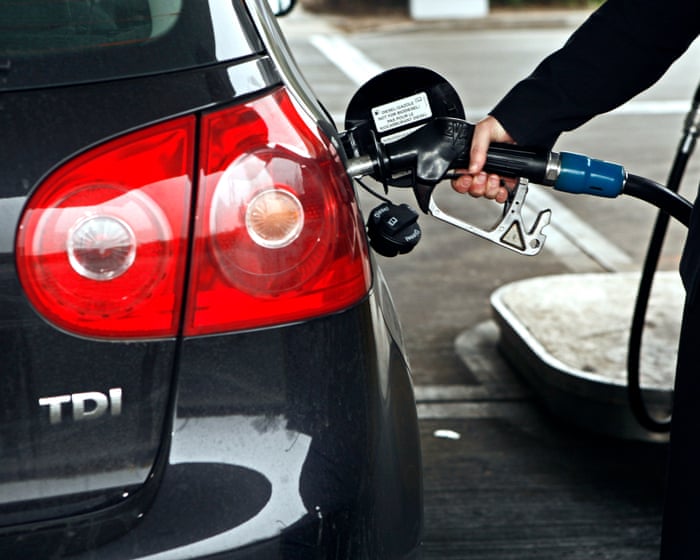
Motorists across the UK are facing further financial strain as the average price of diesel has hit a record high, crossing the £2-a-litre threshold for the first time. Since late February, when the US-Israel military campaign against Iran began disrupting crude and refined oil supplies from the Gulf, diesel prices have surged more than 40%.
Motoring group RAC reported the average price reaching roughly 200 pence a litre, meaning filling an average family car now costs about £110 — nearly £32 more than before the conflict began. An RAC representative described it as a threshold no one wanted to see crossed, noting that many forecourts have already been charging above £2 a litre for some time.
Petrol prices have also climbed sharply, up more than 30%, adding roughly £23 to the cost of filling a typical tank.
Supply concerns
The UK's transport minister sought to calm fears of shortages after the US president threatened to halt diesel exports to the country. The US administration has pressed Germany and France to release their diesel stockpiles or face an export ban. The UK has opened talks with European allies on tapping emergency reserves, and the EU's energy commissioner confirmed the issue is being discussed among all International Energy Agency member states. The UK sources about 30% of its diesel from the US, with most of the rest coming from mainland Europe, and holds reserves lasting 42 days.
The price surge is hitting commuters, haulage firms and businesses with large vehicle fleets particularly hard — ironically, diesel vehicles were once seen as the most economical choice for long journeys. Rising fuel costs have also pushed up household energy bills, with the quarterly price cap rising 4% this week and further increases forecast. The fuel inflation has been compounded by reduced refining capacity in Russia and Ukrainian strikes on Russian oil refineries.