Documentary on the Aberfan disaster: the village's fight for justice 60 years on
The BBC documentary Aberfan: The Village That Fought Back revisits the 1966 Welsh village disaster that killed 116 children and 28 adults, and examines how the authorities treated survivors afterwards.
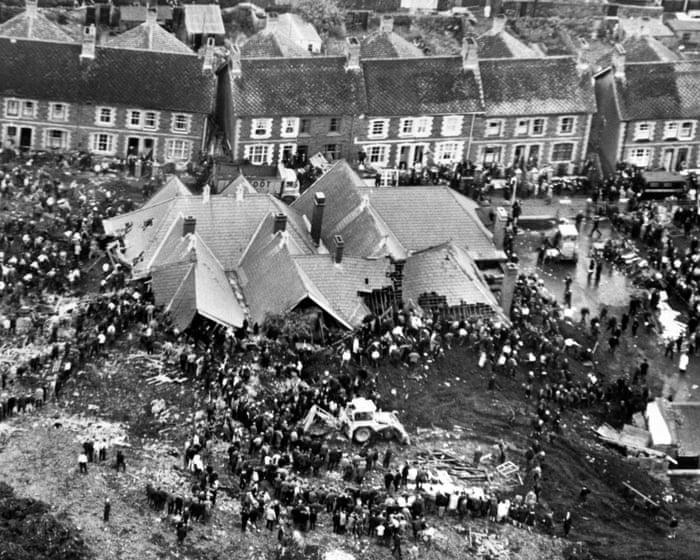
A one-hour documentary, Aberfan: The Village That Fought Back, has been shown on British television, focusing on the disaster of 21 October 1966 in the Welsh mining village of Aberfan. As the 60th anniversary approaches, the film recalls what happened and also examines how the state and the coal industry's governing body treated those affected in the aftermath.
The disaster
An estimated 100,000 tonnes of slurry from a colliery spoil tip above the village engulfed the primary school and several nearby houses. A total of 116 children and 28 adults died. The first quarter of the film is devoted to eyewitness accounts. Ray Lee, now 90, lost his eight-year-old daughter Anne. Gaynor Madgwick, then the same age as Anne, survived severe injuries but lost her brother and sister. Marlene Gerlach screamed for her three children across the school site; all survived, but the guilt has stayed with her.
The aftermath
The tip had been built over several springs, making it unstable. The National Coal Board (NCB) denied knowing about them. The tribunal of inquiry found that the NCB knew about water sources beneath this and other tips, and placed the blame firmly on it, yet no further action was taken against the board. Its chairman, Sir Alf Robens, did not travel to Wales immediately, instead attending his installation as chancellor of the University of Surrey. The secretary of state for Wales, George Thomas, did not stand up to the board.
When the NCB agreed to remove the tip, it demanded £250,000 from the disaster fund, which had received donations from more than 50,000 people. The fund, left unprotected by the Charity Commission, handed over £150,000. Later the Commission offered £500 per household if parents could prove they had been close to the dead child.
Residents formed committees, wrote letters and visited Thomas's offices in London. Government papers released in 1997 under the 30-year rule confirmed the attitude shown towards the village. The Blair government returned the money, and ten years later the Welsh Assembly adjusted it for inflation and added £2m. Nobody was personally held to account or punished.