Dolby Atmos vs. lossless audio: what's the real difference?
Dolby Atmos and lossless audio are both marketed as premium streaming features, but they address entirely different aspects of sound and require different setups to enjoy fully.
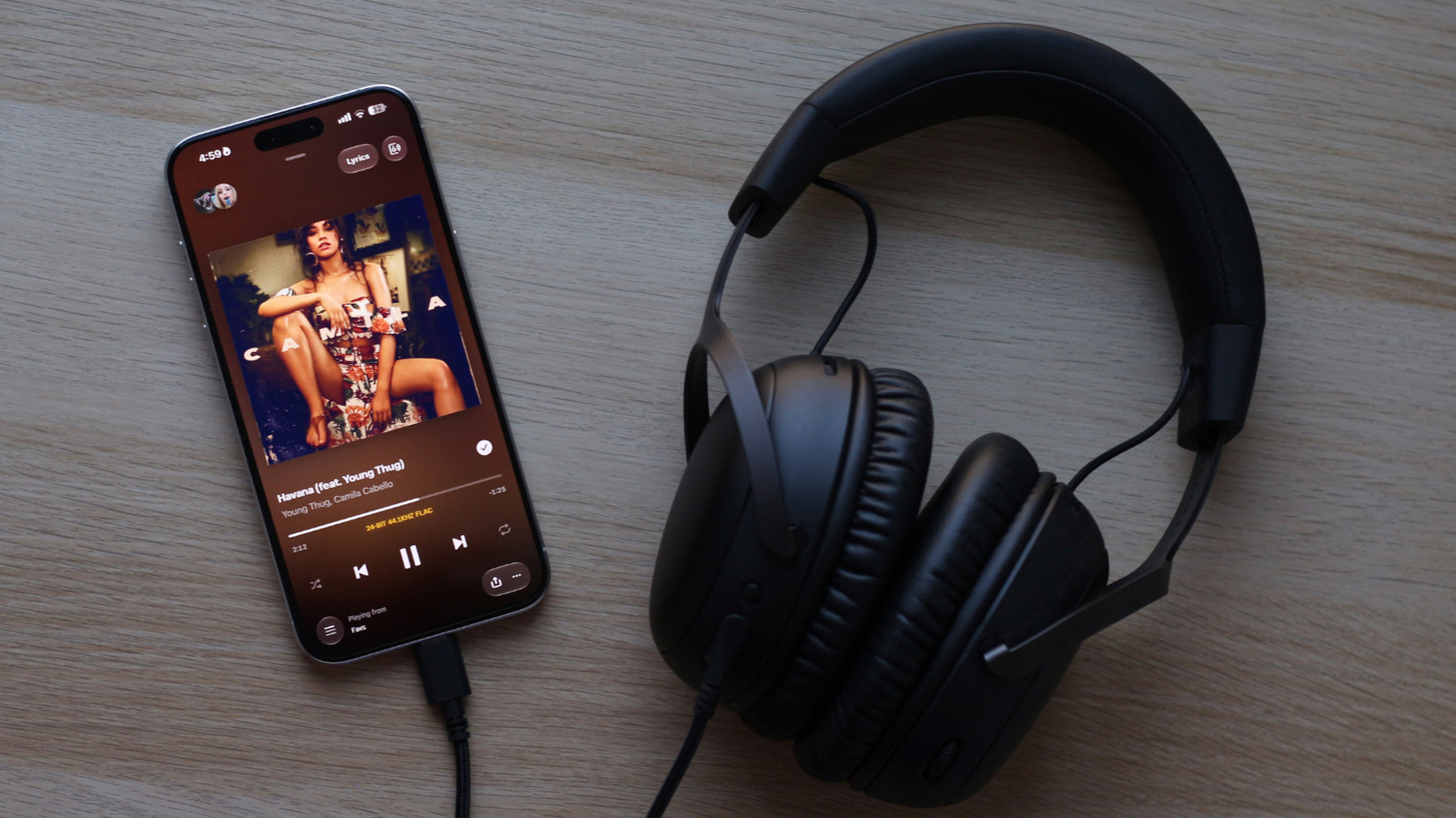
Anyone browsing Apple Music or Tidal has likely noticed "Dolby Atmos" or "Lossless" labels attached to certain tracks and albums. While both are promoted as premium listening features, they are fundamentally separate technologies solving different problems.
Dolby Atmos is an object-based audio format that positions individual sounds anywhere in three-dimensional space, creating an immersive soundstage around the listener rather than confining audio to left-and-right stereo channels.
Lossless audio, by contrast, focuses on preserving the original quality of a recording. Common formats like MP3 and AAC use lossy compression to shrink file sizes, discarding some audio data in the process. Lossless formats aim for bit-perfect playback that matches the original studio recording.
Why the two rarely combine
Dolby Atmos tracks typically rely on the lossy Dolby Digital Plus codec, while lossless audio uses formats such as FLAC or ALAC. It is technically possible to pair Atmos with a lossless codec like Dolby TrueHD, but this combination is largely limited to physical media such as Blu-ray discs, not streaming.
Lossless audio needs the right setup
Getting true lossless sound requires both a streaming service offering genuine bit-perfect playback and hardware capable of handling it. Bluetooth streaming typically compresses audio through lossy codecs before it reaches headphones, so a wired connection is generally needed for full fidelity. One exception is Qualcomm's aptX Lossless codec, which enables bit-perfect wireless transmission, though it requires an Android phone and compatible headphones. Higher-resolution formats, such as 24-bit/192kHz, may also require an external digital-to-analog converter (DAC).
Dolby Atmos is easier to enjoy day to day
Dolby Atmos catalogs are available on Apple Music, Tidal and Amazon Music Unlimited, and no special headphones are strictly required, though models with strong instrument separation enhance the effect. Apple Music automatically plays Atmos versions on compatible devices, while Tidal lists Atmos tracks separately from stereo versions. Not every Atmos mix is well executed, but a well-produced one can noticeably transform the listening experience compared to a standard stereo mix.