ECB pushes for tougher EU crypto rules and broader ban on stablecoin interest
The European Central Bank is calling for an extended ban on stablecoin interest payments and stricter EU-wide rules on crypto exchanges and staking, as part of the review of the bloc's MiCA crypto regulation.
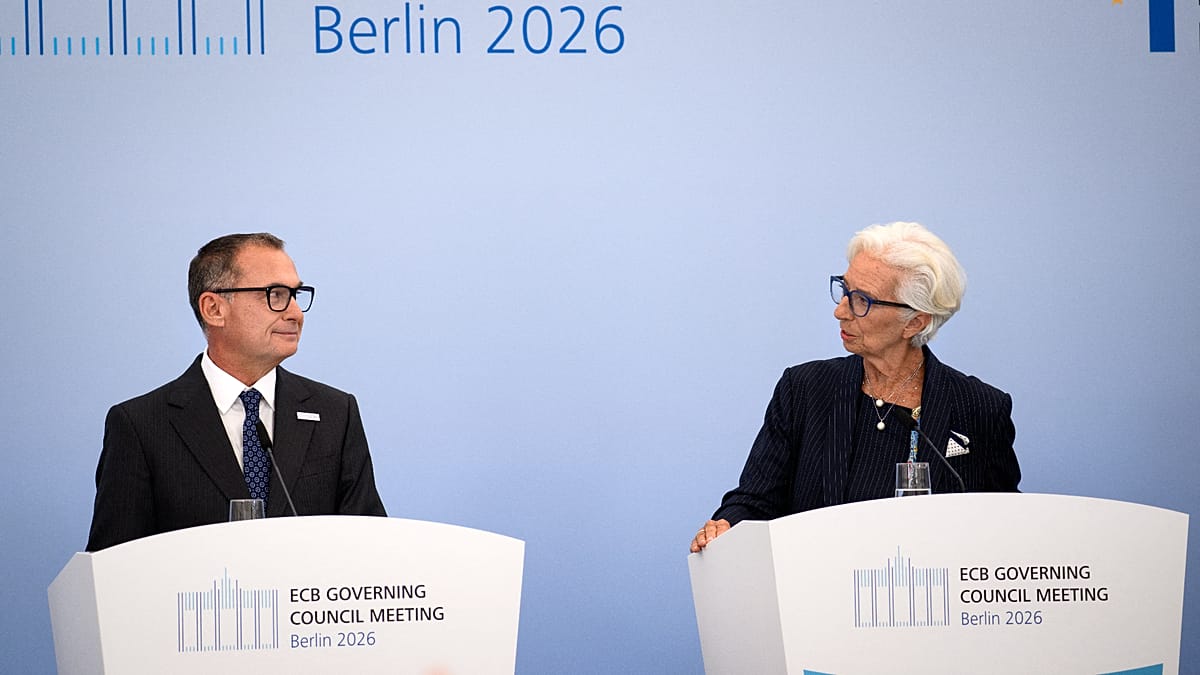
The European System of Central Banks (ESCB), grouping the ECB with EU national central banks, published its response on Tuesday setting out how it wants Europe's crypto rulebook rewritten. The submission came a day after the ECB unveiled Pontes, its new system for settling tokenised assets in central bank money.
The response feeds into the European Commission's review of the Markets in Crypto-Assets Regulation (MiCA), the EU's rulebook for cryptocurrencies. MiCA has applied since December 2024, and the last transitional deadline for existing operators, including the world's largest exchange Binance, expired on 1 July. The Commission's consultation closes on 30 September, and EU diplomats expect a possible revision of the law in 2027.
No interest, no workarounds
Stablecoins are cryptocurrencies designed to hold a steady value, usually tracking the US dollar. MiCA already bars issuers and exchanges from paying interest on them, and the central banks want that kept in place. However, some exchanges offer crypto lending, borrowing and staking that replicate the economic effect of interest payments through ancillary services. The ESCB wants the ban extended to these workarounds and to indirect rewards such as certain loyalty-programme benefits, calling it a clear legislative priority.
Washington has taken a different approach: the 2025 GENIUS Act bans US stablecoin issuers from paying interest but leaves exchanges free to offer rewards, a gap that became a central fight over the CLARITY Act, which fell ten votes short in the US Senate on 15 September.
Foreign-currency tokens and staking
The central banks want stronger tools against tokens pegged to foreign currencies, including the ability to bar new issuance and force redemption of existing tokens judged to threaten financial stability. They also warn that MiCA provides no legal basis for issuing the same stablecoin both inside and outside the EU.
The ESCB argues that staking, lending and borrowing of crypto-assets should be regulated at EU level, and that the same applies to decentralised finance (DeFi), since full decentralisation is rarely achieved in practice.
The central banks also back a Commission proposal to shift licensing and supervision of crypto firms from national regulators to ESMA, the EU markets watchdog. It was previously reported that ECB President Christine Lagarde urged Greece's prime minister not to approve Binance's licence application; Binance withdrew it on 24 June.