Europe moves ahead on its own Venus radar after NASA funding troubles
ESA has started building its own radar instrument for the Envision Venus mission after concluding NASA likely cannot deliver the one it promised. The setback is the latest in a string of budget-driven strains on joint US-European space projects.
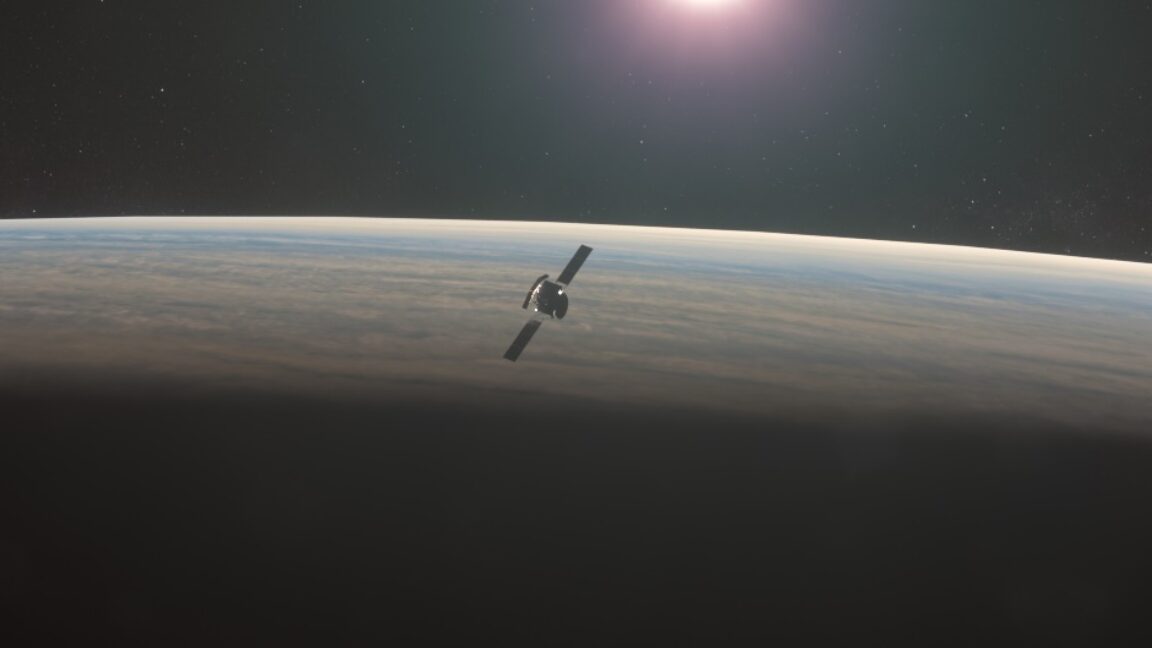
The European Space Agency has begun developing its own radar instrument for the Envision mission to Venus, without waiting for formal confirmation from NASA on whether the US agency can still contribute. ESA official Anna Straume-Lindner said the agency is finalizing its agreement with NASA, but current signs suggest NASA will not be able to provide the radar as originally planned. As a result, ESA is moving full steam ahead with a European-built alternative.
To give European teams enough time to complete the instrument, ESA has already pushed back Envision's launch by a year, to 2032. A NASA spokesperson said conversations with ESA about the mission's status are continuing.
Wider fallout for joint missions
Envision is not the only project affected by NASA's budget difficulties. VERITAS, a related NASA radar orbiter originally planned for launch in the late 2020s, has been delayed to no earlier than 2031 due to funding problems at NASA and the Jet Propulsion Laboratory, and its development status remains uncertain. NASA's DAVINCI mission, led by the agency's Goddard Space Flight Center, is still on track for a launch in the early 2030s. The joint NASA-ESA Venus Science Coordination group has also had its work suspended because of changes in the US budget situation.
ESA is separately reviewing how it might take over NASA's responsibilities on other missions, including the LISA gravitational-wave observatory, where NASA was to supply lasers and ultra-stable telescopes, and the New Athena X-ray observatory, where NASA was responsible for sensor hardware, a cryocooler and a vibration isolation system.
The Trump administration had also proposed cutting NASA's involvement in ESA's Rosalind Franklin Mars rover mission, planned for launch in 2028. Funding restored by Congress last year allowed NASA to sign a contract with SpaceX to launch the rover instead.
ESA's Caroline Mundell said the agency recognizes the difficulties NASA is currently facing and remains a reliable partner, while noting that ESA continues to explore cooperation with other partners, including China, which has invited ESA to join additional Chinese-led science missions.