Cold snap forecast for Europe in late October, with lows of -16°C in places
Forecasters warn that Arctic air will move into Europe in the second half of October, with temperatures in Scandinavia possibly dropping to -16°C. The cold will also reach western, central and northeastern parts of the continent, including Poland.
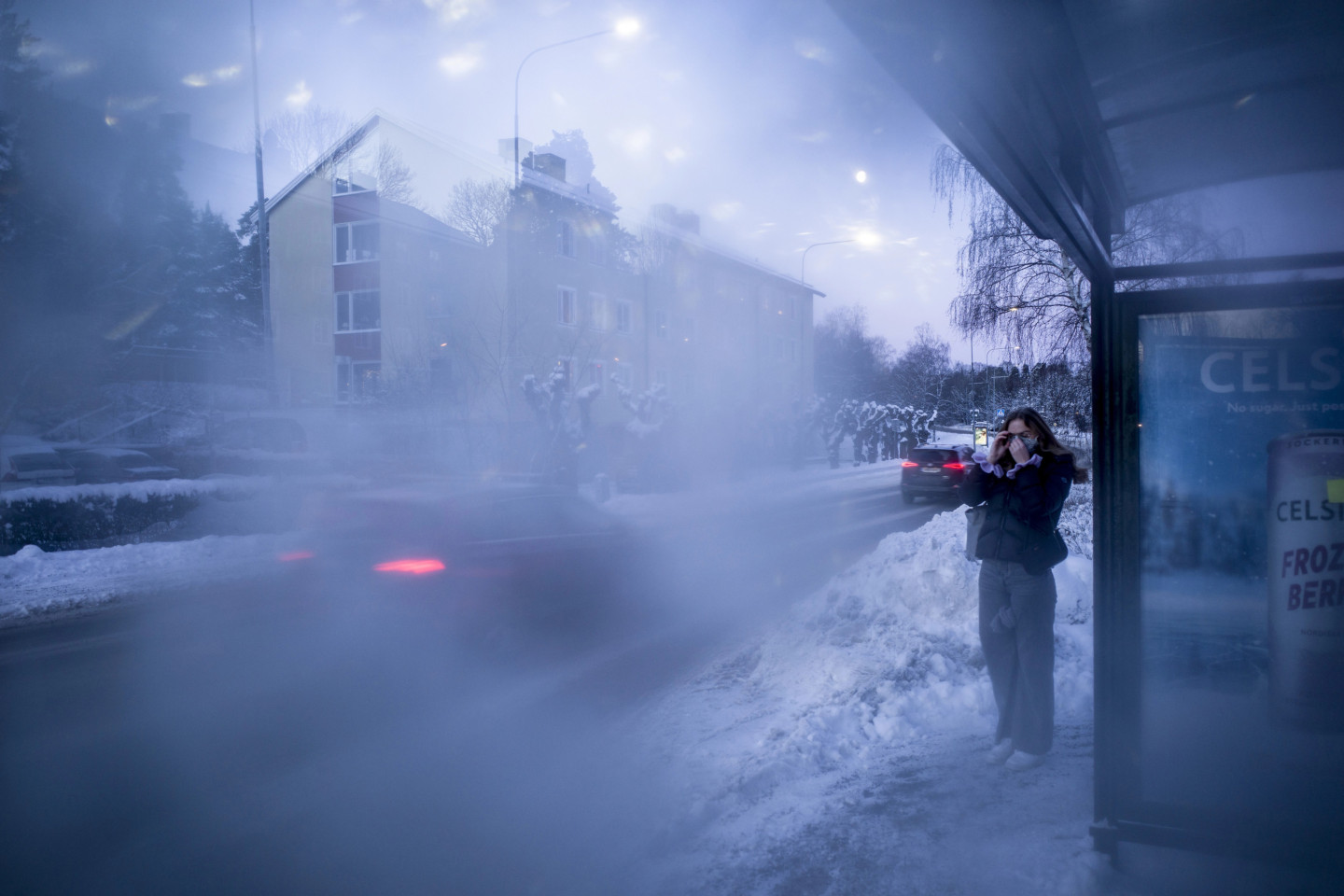
Europe is expected to see its first pronounced cold snap of the autumn in the second half of October. Forecasters cited by the news outlet Unian say temperatures in some regions, mainly in Scandinavia, could fall as low as -16°C. The cold air will also affect other parts of the continent.
What is behind it
According to forecasters, Arctic air will move in from the north, while a broad anticyclone (a high-pressure system) will form behind passing cyclones. Next week, conditions in Poland and Ukraine are expected to remain moderate, but elsewhere in Europe the situation will change more quickly.
Where it will be coldest
The harshest frost is expected roughly between 17 and 20 October. In Norway, northern Sweden and Finland, as well as parts of northwestern Russia, night-time temperatures could drop to between -8 and -16°C. Under clear skies, cold air collects in valleys and lowlands, deepening the chill at night.
Cold air is also forecast to spread across western, central and northeastern regions of the continent. In Poland, frosts are expected roughly from 16 to 19 October: at night and early in the morning, air temperatures may fall to between -1 and -6°C in places, and it will be colder still at ground level. The sharpest cold is expected in the south, east and southeast of the country, especially in lowlands. The strength of the frosts will depend on cloud cover, since the ground cools faster under clear skies.
Winter outlook
Forecasters believe the 2026–2027 winter in Europe will most likely be mostly mild and wet, with above-normal temperatures and less snow. The weather will be influenced by El Niño and a possible weakening of the polar vortex at the end of December. Warm Atlantic air is expected to flow in during December and January, and in February southern Europe may be warmer than usual. Snowstorms are most likely in the north of the continent and in the Alps above 1,800–2,000 metres.