Europe plans first undersea internet cable to Greenland
The European Union plans to build the first subsea internet cable directly linking Europe and Greenland. The project could later extend to Canada, Japan and South Korea, bypassing the United States.
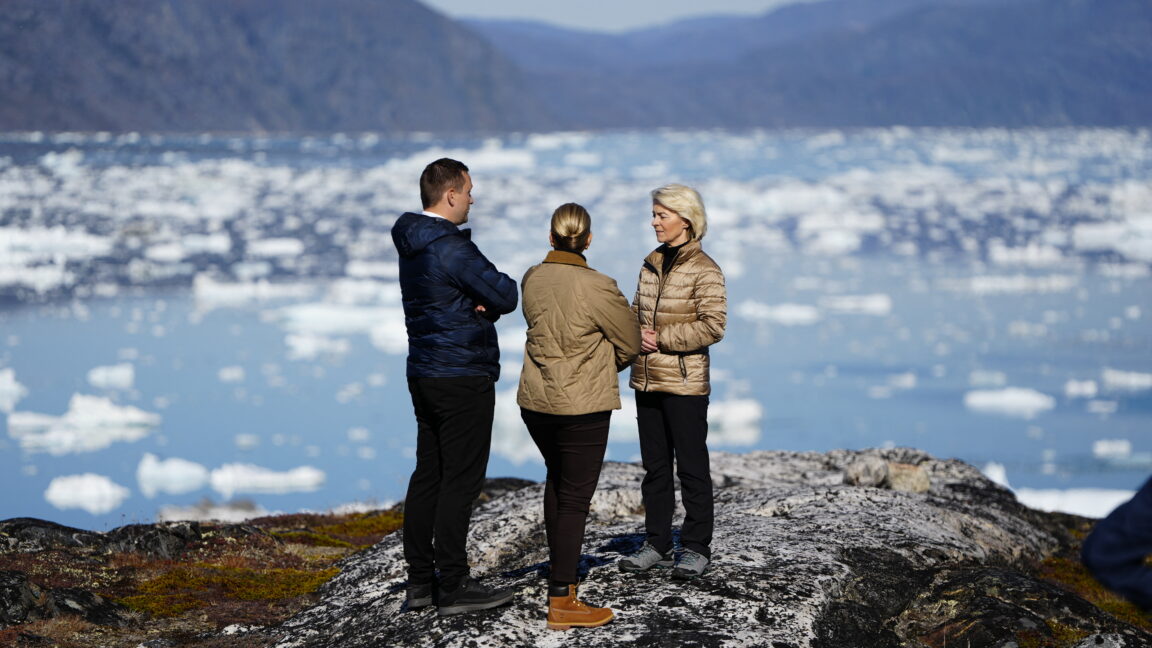
The European Union (EU) plans to lay the first subsea internet cable directly connecting Europe with Greenland, an autonomous territory within the Kingdom of Denmark. The project, called the Pan-Arctic Cable, appears in a European Commission joint communication outlining a new EU Arctic strategy, published on October 20, 2026. An extension through Canada and later to Japan and South Korea would link Europe and Asia without passing through US territory.
The document describes a "sovereign, secure and resilient" submarine cable connection between Greenland and the EU. It names Canada as a like-minded partner that could serve as a stepping stone toward Asia.
Political background
The project gained official backing after a trilateral security agreement between the United States, Greenland and Denmark in September 2026 ended repeated attempts by the Trump administration to claim Greenland. The deal keeps Greenland's autonomous status while expanding US military access. Relations between the US and its European and Canadian allies have grown strained since trade wars began and the US took a more pro-Russian stance on the war in Ukraine.
Europe is also seeking new routes because over 90 percent of Europe–Asia communications run through undersea cables in the Red Sea, according to the research firm TeleGeography. Fighting between Yemen's government and the Houthi faction resumed this year, and Houthi forces have fired missiles and drones at commercial ships.
Funding and challenges
The project took shape in 2025, when European companies and research organizations signed an agreement with a Greenland telecom operator to develop it. It is backed by the EU's Connecting Europe Facility Digital program. The EU has already invested 107 million euros in Greenland's secure connectivity and in funding the cable plan.
Extending the cable to Japan and South Korea faces challenges, including a need for more European icebreakers to install and maintain it. In September, Norway's Bulk Infrastructure Group began seeking a Canadian partner for a separate Europe–Canada cable, the Leif Erikson system.
Security threats
Elisabeth Braw, a senior fellow at the Atlantic Council, noted that geopolitics once played almost no role in cable planning, but surveillance and sabotage risks now matter. In the Baltic Sea, ships linked to Russia and China have damaged European cables by dragging anchors. The EU plans to set up an Arctic Cable Hub to monitor and protect cables and support their repair.