Expert: Autumn Is the Decisive Time in the Fight Against Spanish Slugs
An invasive species expert from Latvia's Nature Conservation Agency explains that although adult Spanish slugs disappear from gardens in autumn, the battle against the invasive species continues, and poorly managed compost heaps can become their safe winter refuge.
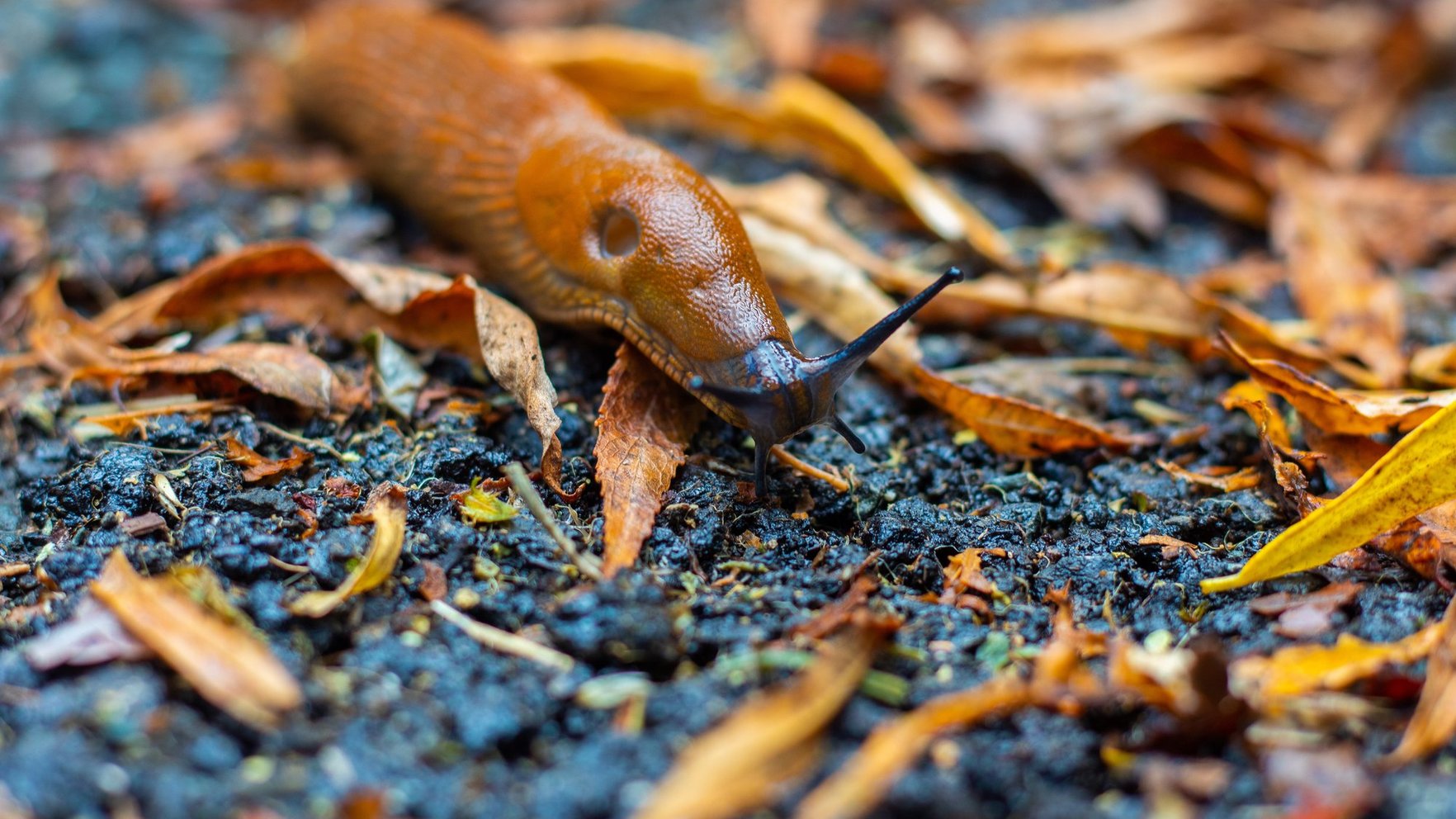
As gardeners rake leaves and collect fallen apples in autumn, many assume the invasive Spanish slug has finally vanished from their flowerbeds and lawns. Aiva Bojāre, an invasive species expert at Latvia's Nature Conservation Agency, warns this impression is misleading — while fewer large adult slugs are visible in gardens, the fight against the species does not end in autumn but simply enters a new, more critical phase.
Compost as a hiding spot
According to the expert, leaves, vegetable scraps and fallen apples collected in autumn often end up in compost heaps, which, if not properly built, can turn into a slug paradise. An open, unenclosed compost pile is a place where slugs happily crawl in, feed and spend the winter, especially when it contains tasty vegetable and fruit remains.
To prevent this, Bojāre recommends setting up an enclosed compost area — either by purchasing special compost bins designed for this purpose or by building an enclosed container. The key is that the structure either keeps slugs from entering or, alternatively, prevents them from escaping once inside.
The expert stresses that the first months of autumn are the best time to act, in order to avoid a sudden surge of slugs appearing in gardens come spring. The article also notes the importance of being able to distinguish the invasive Spanish slug from a rare, protected native slug species, so that local species are not harmed in the process.


/nginx/o/2026/09/24/17935956t1he621.jpg)