Experts: Outcome of Russia's elections decided in advance
Russia has begun three days of parliamentary and local elections, the first since its full-scale invasion of Ukraine, which political analysts describe as tightly controlled with limited competition.
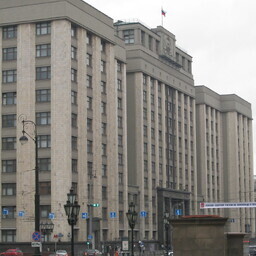
Russia is holding parliamentary and local elections from September 18 to 20 — the first since the Kremlin's full-scale invasion of Ukraine. Eleven political parties were initially registered, but the Yabloko party was removed from the ballot at the last moment.
Political commentator Nikolai Artemenko says the removal was linked to a perceived threat to the ruling authorities and rising antiwar sentiment among Russians. He noted that polling had shown Yabloko gaining strong support, placing it nearly second behind United Russia. To avoid surprises — including a possible entry into the State Duma — the party was struck from the lists.
Political scientist Karmo Tüür says part of the so-called permitted opposition role has now shifted to the New People party. According to him, the party has been allowed to make vague, Yabloko-like statements about ending the war, but its financial resources have been cut off, meaning its voice will barely be heard. The only open question, Tüür says, is how many seats the party will be allotted in parliament.
Occupied territories seen as most contentious
Political scientist Sergei Kovalchenko calls voting in occupied Ukrainian territories the most disputed part of the election. He points out there are no independent observers there, and it remains unclear how many people live in these areas, how many hold Russian citizenship versus Ukrainian citizenship, and how the voting procedure will actually be carried out. Most observers advise residents of these territories not to participate, since the vote there is considered illegitimate and entirely non-transparent.
Experts conclude that Russian parliamentary elections have for more than a decade served mainly to legitimize the ruling authorities in the eyes of the public rather than to provide genuine political competition. Artemenko adds that since Russia is no longer accepted into international organizations, this staged process is now aimed primarily at a domestic audience.
/nginx/o/2026/09/18/17925743t1h9a37.jpg)