Simple room and speaker adjustments can dramatically improve home surround sound
Audio experts say most home theater sound problems stem not from faulty equipment but from outdated speaker placement and untreated room acoustics. Several low-cost tweaks can noticeably improve performance.
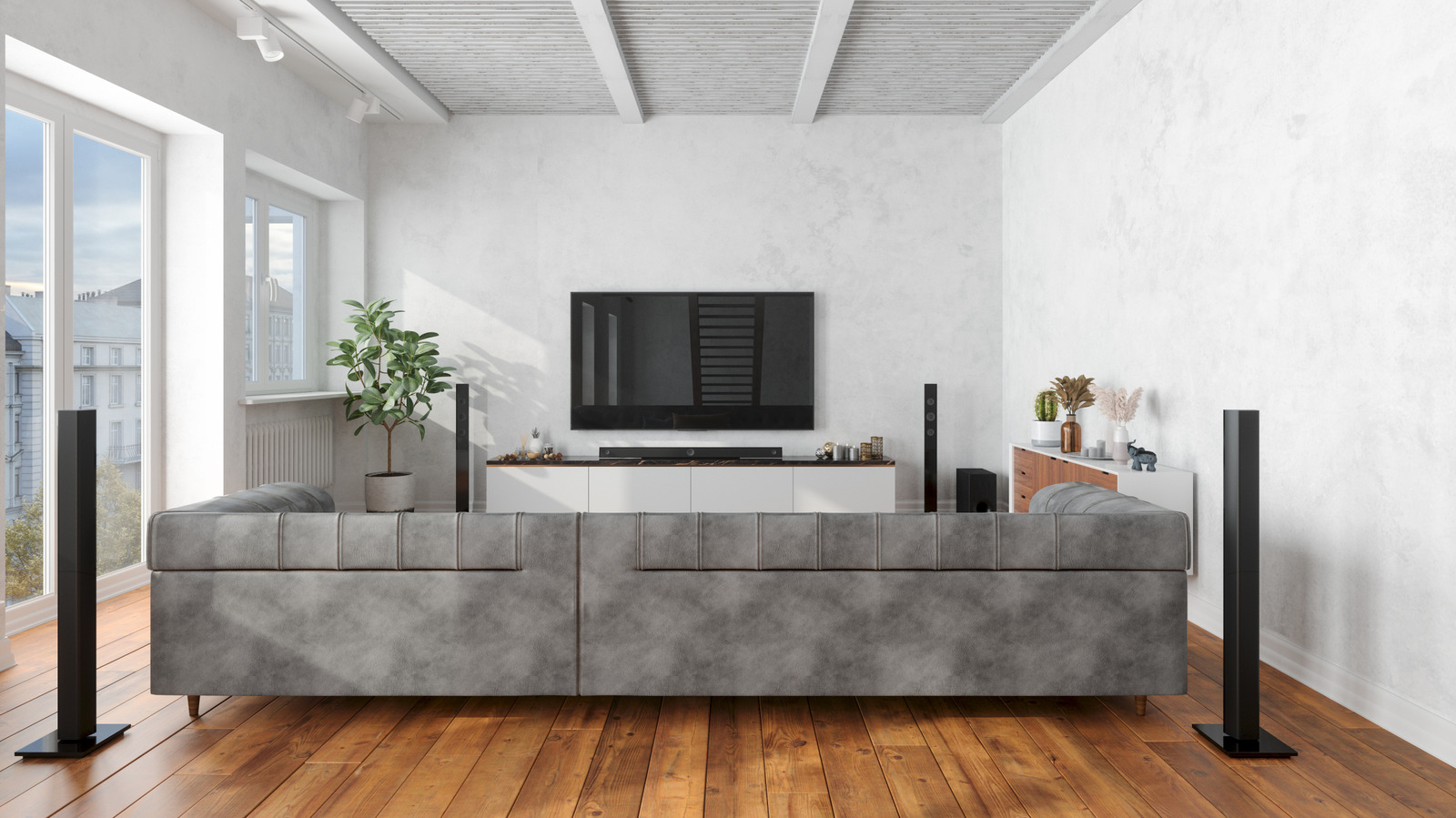
When a home surround sound system stops delivering the experience it once did, the issue is rarely the hardware itself. More often, the system was set up years ago and never adjusted again, even as the room layout and furniture positions changed over time.
Start with room acoustics
According to audio specialists, including Anthony Grimani, a former sound engineer for Dolby Laboratories and Lucasfilm THX, more than half of what people hear in a typical room is sound reflecting off hard surfaces such as bare walls, tile floors and windows. Rather than investing in acoustic foam panels, simple additions like rugs, curtains and framed artwork can noticeably reduce echo and muddied sound.
Positioning and angling speakers correctly
Front left and right speakers should sit about a foot from side and back walls, spaced roughly the same distance apart as they are from the listening position, and angled toward the main seat. The center channel, which carries most dialogue, should be placed directly above or below the TV, aligned with the screen's midpoint. In 5.1 setups, side speakers should aim at the seating area near ear level, while 7.1 systems require rear speakers placed behind the listener.
Subwoofer placement and calibration
Subwoofer position has a major effect on sound quality, though orientation matters less since bass is omnidirectional. Ported subwoofers should never be pushed against a wall or boxed in by furniture. Because every room's wall materials and layout affect bass differently, testing a subwoofer in two or three spots is recommended.
Many modern AV receivers from brands like Yamaha and Pioneer include automatic calibration tools that test each speaker and adjust settings for the room. Owners are also advised to check that connected devices output genuine surround formats such as Dolby Digital or DTS rather than defaulting to stereo, inspect cables for wear, and use wired connections over Wi-Fi or Bluetooth wherever possible for more consistent sound.