Electric car buyers in Latvia increasingly ask about costs and battery longevity
Interest in electric cars is growing in Latvia, and buyers now ask not only about range but also about running costs and battery lifespan. Experts say modern EVs are suitable for daily use and often surprise even skeptics with their driving experience.
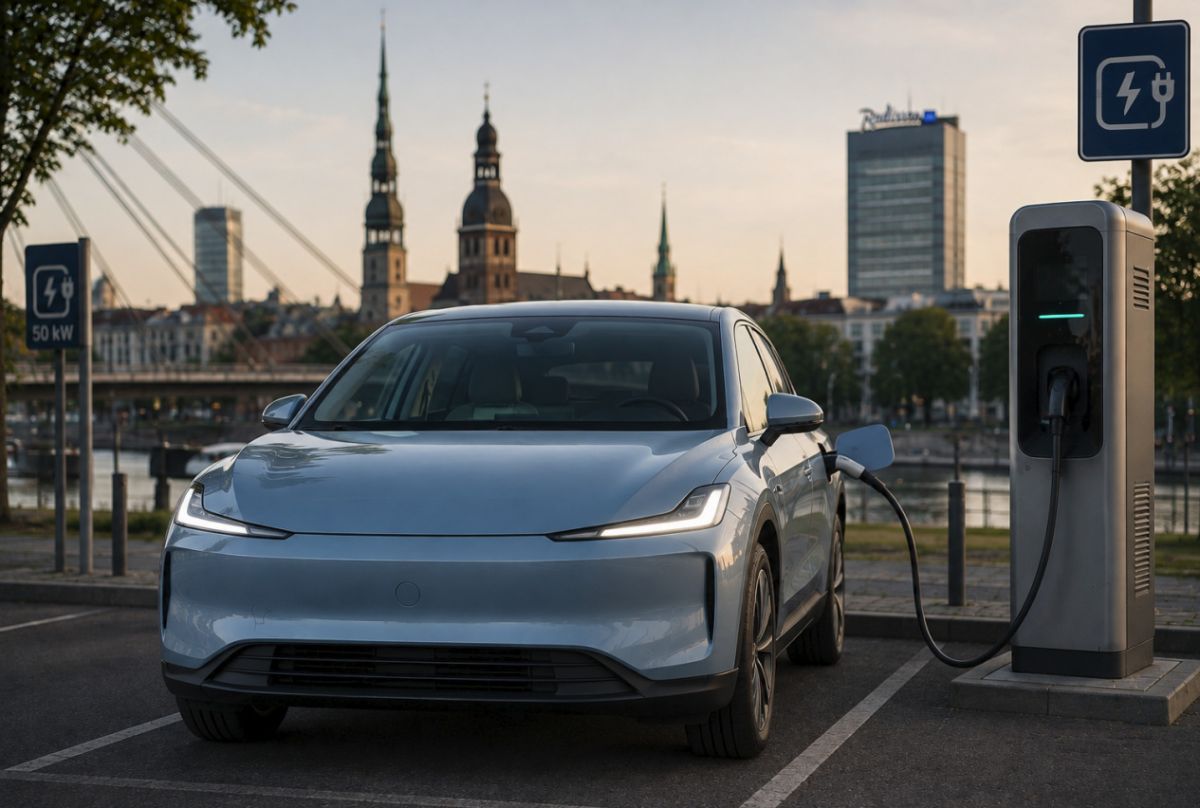
Electric cars in Latvia are no longer just a choice for technology enthusiasts. As supply and charging infrastructure expand, buyers' questions are changing – they now ask more frequently about running costs, battery durability, and charging options, not just range, according to Edgars Šturcs, an expert at car dealer Amserv Motors.
The question about range is still the most popular, but the expert notes that modern electric cars can travel 500 or even 600 kilometers on a single charge, and few people actually drive such distances daily without stopping. Charging infrastructure and the vehicles themselves have developed significantly in recent years, so the idea of limited mobility no longer matches reality.
One of the most frequently evaluated topics is total cost of ownership. Although the initial purchase price may be higher, long-term costs depend on maintenance frequency, mileage, and charging habits. The expert advises planning charging according to electricity exchange prices, as it can be relatively low at certain times. Additional support comes from state programs for private individuals, especially large families, while companies are often motivated by sustainability goals and the need to reduce CO₂ emissions.
An electric car can be the only car in a family, but it requires changing daily habits – just as you charge your phone in the evening, you can also plug in your car at home. On longer trips, fast charging stations often require only 20–30 minutes to continue the journey. What surprises buyers most is the driving experience – the quietness, relaxation, and acceleration that quickly become a new standard.
Another advantage is stability: the battery placement in the floor lowers the center of gravity, improving handling. Regarding battery life, long-term tests show that after five years and 100,000 kilometers, capacity drops by only a few percent. Manufacturer warranties are also becoming more generous – for example, Toyota offers a warranty on its high-voltage battery for up to 10 years or one million kilometers.
Interest in electric cars continues to grow, and buyers arrive increasingly prepared – having read comparisons and often already test-driven an EV. The expert observes that stereotypes mostly persist among those who have not yet driven an electric car, but first experience often changes their perception.

/nginx/o/2022/06/17/14633372t1hdf6d.png)