EU Defense Agency: Europe rearming too slowly to be ready against Russia by 2030
A report from the European Defense Agency warns that current EU plans will not close critical defense gaps by 2030. Meanwhile Russia has intensified strikes on Ukraine's internet and data center infrastructure.
A report prepared by the European Defense Agency for EU leaders concludes that Europe is not rearming quickly or effectively enough to be ready to defend itself against Russia by 2030. The report's summary, seen by Reuters, was commissioned last year by EU leaders to assess progress in strengthening the bloc's defenses.
The 2030 readiness goal was set amid concerns over Russia's full-scale invasion of Ukraine and US President Donald Trump's calls for Europe to take greater responsibility for its own security.
However, the agency says current plans by European countries do not appear sufficient to close gaps in areas including air and missile defense, ground combat forces, naval capabilities, ammunition stockpiles, and drones. The report states that reaching defense readiness by 2030 requires moving further and substantially faster than the current pace.
The summary does acknowledge progress in defense spending, capability development, and industrial readiness. Still, it notes that current momentum and increased investment have not yet translated into sufficiently deployable, sustainable, and interoperable forces, and that critical capability gaps remain. The report's authors describe what has been achieved so far as unprecedented but not yet enough.
EU defense ministers are expected to discuss the report in Brussels on Monday, September 28, before it is passed on to the bloc's leaders for consideration.
Russia escalates strikes on Ukraine's digital infrastructure
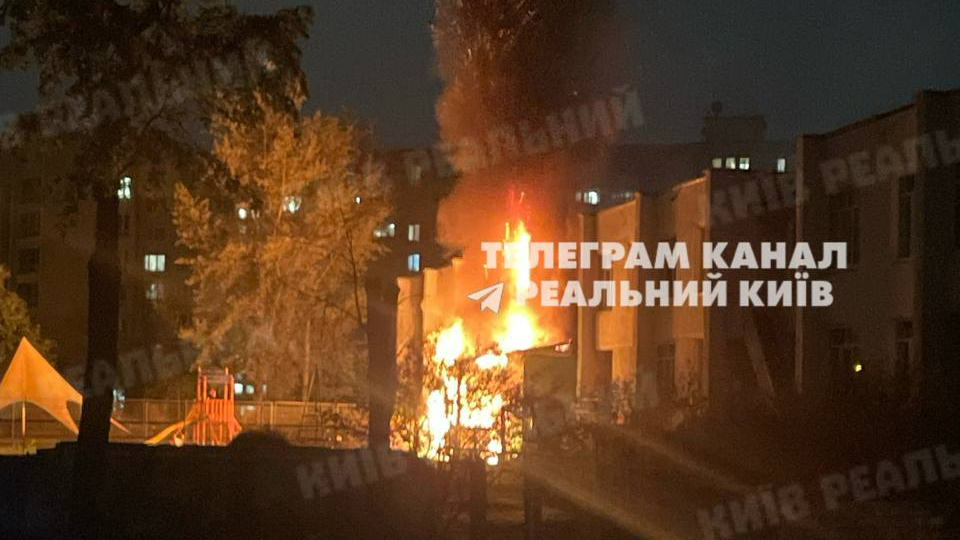
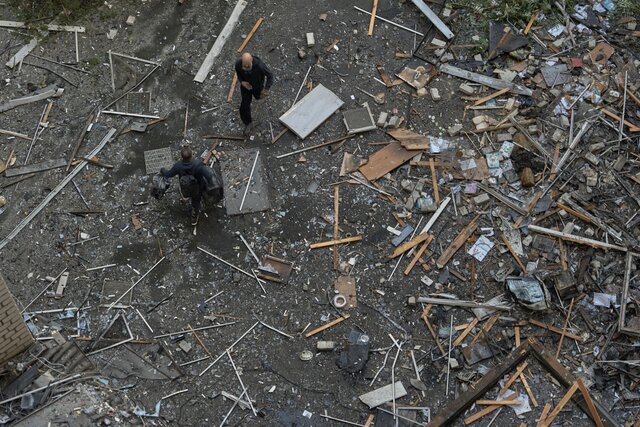
Separately, the Financial Times reports that Russia has stepped up attacks on Ukrainian data centers and telecommunications facilities, causing internet disruptions in Kyiv. In recent days, Russian forces have struck infrastructure belonging to several internet providers and hosting companies, as well as data centers in the capital.
Russia's Defense Ministry said its forces struck two telecommunications centers overnight on September 24, claiming they supplied communications services to Ukraine's armed forces. According to Ukraine's Digital Transformation Ministry, strikes on September 23 and 24 temporarily left about 100,000 households in the Kyiv region without internet access.
Ukrainian Foreign Minister Andrii Sybiha said the strikes also disrupted air raid alerts sent to mobile phones. Ukrainian officials warn Russia may be trying to cause wider outages that could threaten infrastructure used by banks, payment providers, businesses, and government services.