EU budget summit ends without deal as money dispute exposes clash over Europe's priorities
A special summit of EU leaders in Brussels on the bloc's 2028–2034 budget ended without agreement. Leaders will meet again on 17 December, with the overall spending level still the central question.
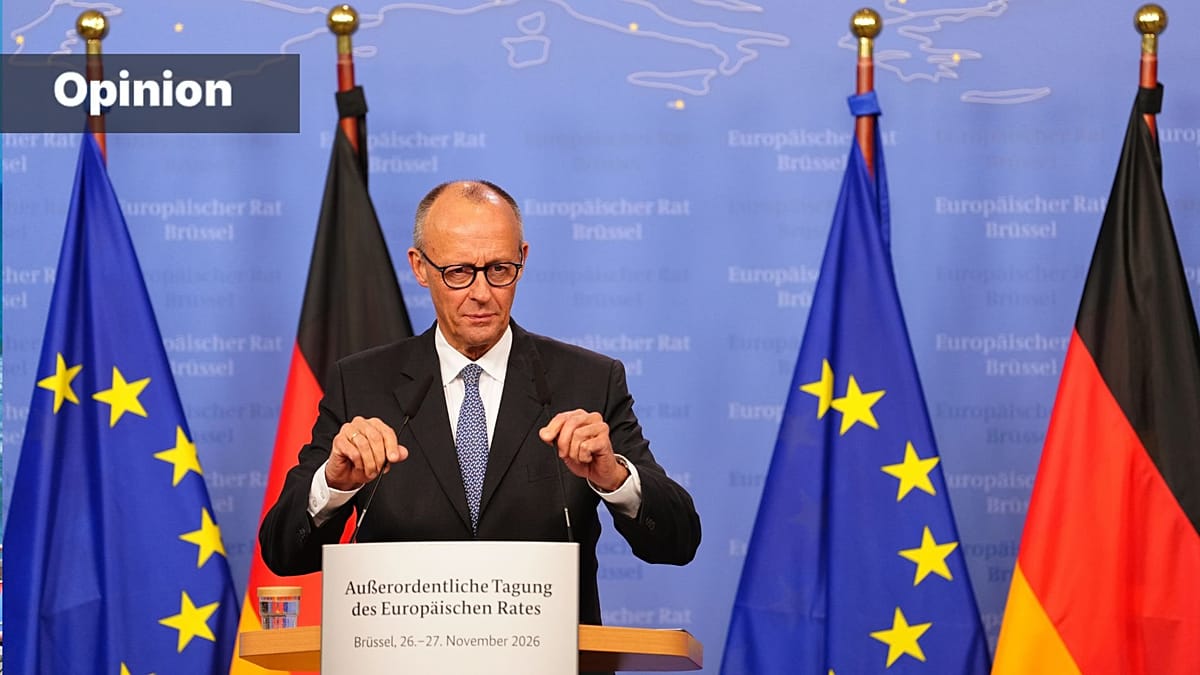
A special summit in Brussels, where EU heads of state and government discussed the Union's long-term budget for 2028–2034, ended without agreement. They are due to meet again on 17 December. Until then, the main dispute is the total amount of spending, but it is also tied to what Europe wants to spend on: security, competitiveness or traditional policy areas.
Where the cuts fall
The European Commission proposed a financial framework of just under €2 trillion. European Council President António Costa has cut this to about €1.78 trillion. Germany and other net contributors, which pay in more than they receive, still consider that too high.
More telling than the headline figure is where the reductions are made. Compared with the Commission's draft, about €95.5 billion is removed from competitiveness, prosperity and security, and about €54 billion from agriculture, cohesion and related areas. That is a cut of 16% and 5% respectively. For defence industry, security and space, the reduction is almost 30%. Costa's draft nonetheless foresees substantial increases for defence and competitiveness compared with the current budget.
National interests
The article, an opinion piece, argues that the problem lies in how EU decisions are made: the budget requires unanimity in the Council and the consent of the European Parliament, so each government can set its own conditions. Germany and other net contributors want to limit payments and focus more on competitiveness and security. Poland and other cohesion countries defend regional funding. France wants an ambitious budget while protecting agriculture, and Italy is sceptical about new EU levies.
About 60% of the current budget goes to agriculture and cohesion. The author believes part of that share should gradually decline to make room for joint investment in defence, secure supply chains, energy networks and technology.
Revenue and a possible compromise
Costa's draft sets aside €158 billion solely for repaying EU debt taken on during the pandemic. He proposes new revenue sources, including levies on large companies' digital services, tobacco and non-recycled electronic waste.
Germany and France want a deal before the end of the year, with a French presidential election due next spring. A possible compromise could involve an even smaller overall volume, concessions to net contributors, agriculture and cohesion countries, postponing the most contentious revenue sources and negotiating further aid to Ukraine separately.