EU's new import tax cuts small Chinese parcel volumes by 30-40%
Since a flat customs duty took effect on 1 July, French customs data show imports of small parcels from Chinese platforms have dropped 30-40%, with Temu hit hardest and Shein cushioned by a planned Polish warehouse.
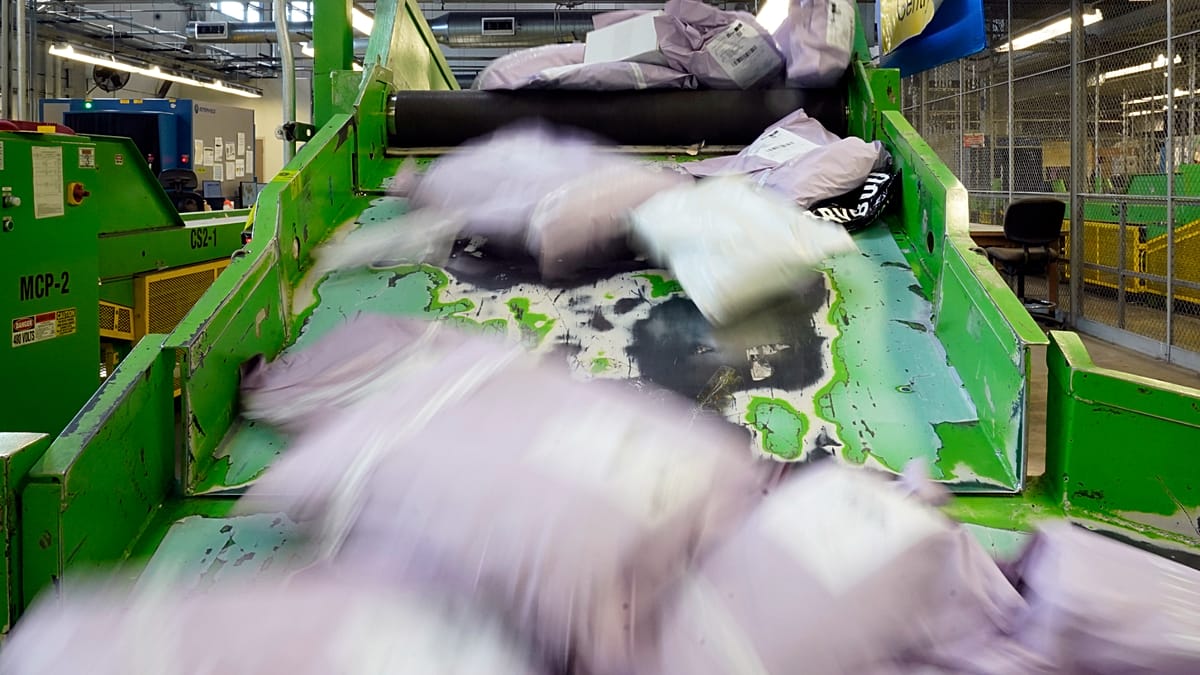
For years, low-cost parcels from China — clothing, accessories, gadgets and other everyday goods ordered through platforms such as Shein, Temu and AliExpress — have poured directly into European households, often costing just a few euros. The European Union is now moving to rein in this system more firmly.
Since 1 July, parcels valued at or below 150 euros have been subject to a flat customs duty of 3 euros per product category, ending an exemption that previously applied to such low-value shipments.
A sharp drop in imports
According to French customs figures released Thursday by the country's Ministry of the Economy, the number of small parcels entering the European Union has fallen by 30 to 40% since the new duty took effect. The French government views the decline as evidence that stricter rules can alter the behaviour of major Chinese e-commerce platforms.
Between June and July, sales volumes on Temu dropped by 50%, while AliExpress saw a 37% decline. Shein fared comparatively better, down just 15%, helped by a new warehouse planned to open in Poland at the end of 2025, which is expected to ease the company's tax burden.
Why the EU is acting
In 2025, some 5.9 billion low-value items entered the EU — equivalent to more than 16 million parcels a day. The European Commission has argued that the previous exemption gave large foreign platforms an unfair advantage over European retailers, who must comply with the same rules and pay duties on imported goods.
The Commission has also raised safety concerns: a 2025 EU survey found that more than 60% of inspected low-value products failed to meet European requirements or safety standards. The new rules are intended to help customs authorities better identify risky products.
While effective so far, the measure is temporary, designed to bridge the gap ahead of a broader overhaul of the EU customs system in 2028. Additional fees to help fund parcel handling could be introduced as early as November.