EU Enlargement: How Member States' Vetoes Hold Back Candidate Countries
Croatia is blocking the closure of several negotiating chapters with Montenegro, which could join the EU in 2028. Vetoes have also been used against Ukraine, North Macedonia, Serbia and Albania.
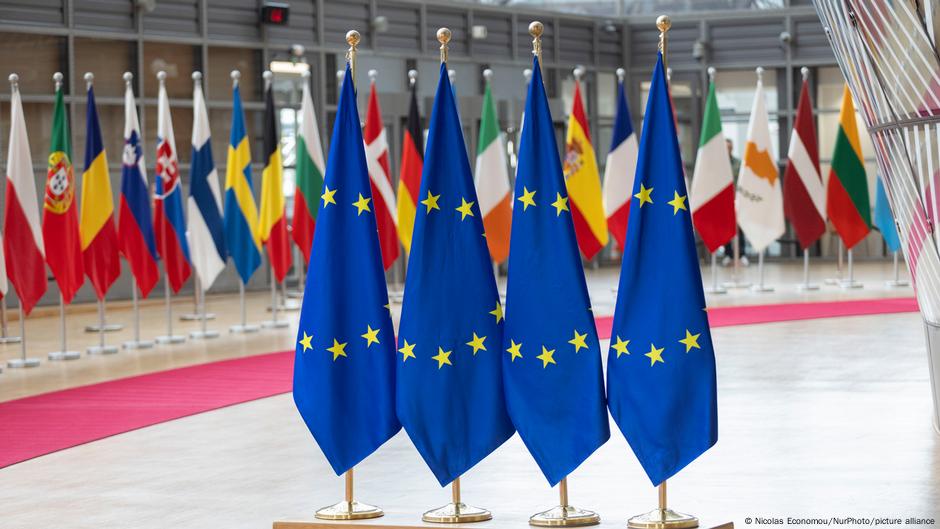
The European Union's enlargement process is again running into objections from individual member states. Croatia, the last country to join the EU, in 2013, has since 23 November been blocking the closure of three already negotiated chapters in Montenegro's accession talks. Montenegro is the most advanced candidate, and EU Enlargement Commissioner Marta Kos said in October it could become a member in 2028. The case shows how each member state's veto right is often used as a political pressure tool.
Croatia's demands on Montenegro
Zagreb wants compensation for former prisoners held in Montenegrin camps during the Yugoslav wars of the 1990s, clarity on the fate of missing Croatians and tougher prosecution of war crimes. There is also a dispute over the maritime border, and Croatia demands about €2.4 billion for assets of the Yugoslav People's Army. Montenegro has already met some demands, while others, including the army assets, are disputed. Prime Minister Andrej Plenkovic can use the dispute to present himself as a defender of national interests.
Other cases
Hungary under Viktor Orban obstructed Ukraine's progress, citing the rights of the Hungarian minority, though domestic politics also played a role. The new prime minister, Peter Magyar, has lifted several temporary blocks on opening new negotiating chapters after Ukraine's parliament passed a law on minority education rights in early October.
North Macedonia became a candidate in 2005 but started talks only in 2022. Greece delayed the process for 13 years over the country's name; after the dispute was settled in 2018, Bulgaria blocked the opening of talks in November 2020, disputing the distinctness of the Macedonian language and nation.
Serbia has been negotiating since 2014, and in July eight member states, including Croatia, opposed opening further chapters. Greece has repeatedly threatened to block Albania's progress unless the rights of the Greek minority are protected.
Reform proposal
In early October the European Commission proposed that decisions to open negotiations be taken by qualified majority rather than unanimity. However, such a change would itself require unanimity, so any member state could veto it.