EU allocates steel import quotas to trading partners to curb import surge
The European Union announced on Tuesday the allocation of steel import quotas to trading partners in an effort to limit global overcapacity and protect its internal market.
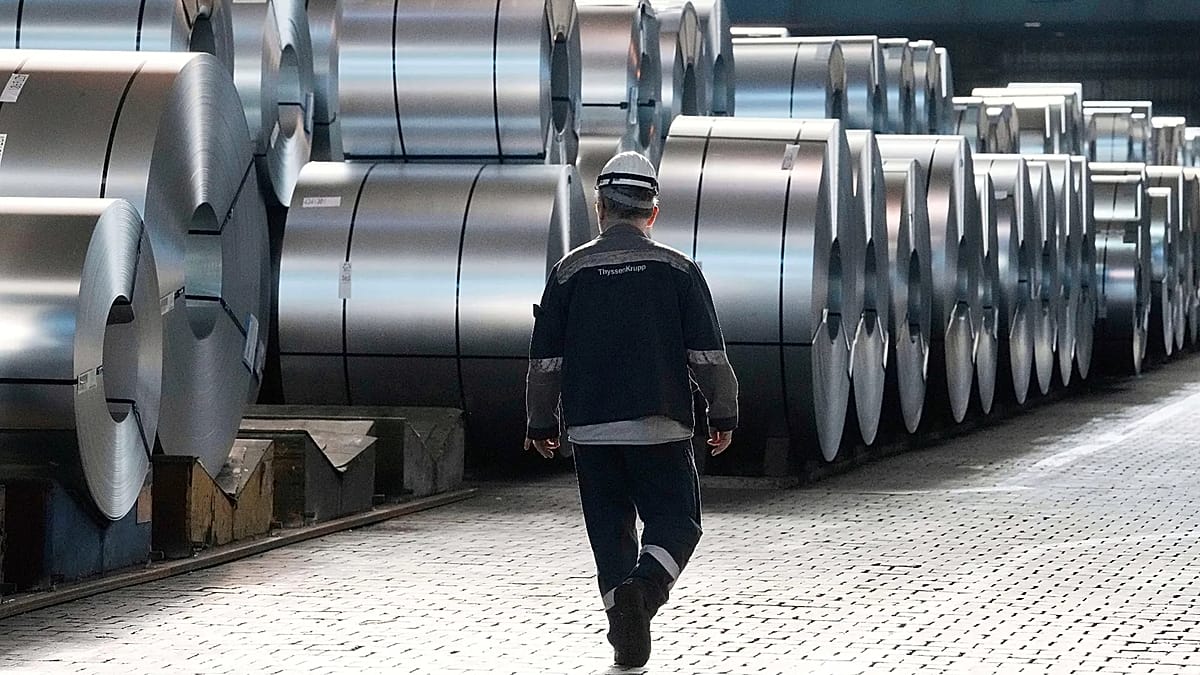
The European Union has imposed import quotas on steel to combat rising overcapacity from foreign producers. This step comes amid growing tensions between the EU and China, the main source of the global steel surplus.
To shield its market, EU lawmakers agreed in April to increase tariff-free steel quotas to 18.3 million tonnes per year, while doubling tariffs beyond those quotas to 50 percent. The EU's closest allies, such as the UK, Switzerland, and Ukraine, have expressed concerns that the new measures could severely affect their exports to the EU and have heavily lobbied the European Commission for preferential market access.
"We are providing market participants with predictability through clear and transparent quota distribution rules, while applying a fair and objective methodology," EU Trade Commissioner Maroš Šefčovič said in a statement.
This protectionist move comes as global steel overcapacity is expected to reach 721 million tonnes by 2027, according to the OECD, threatening jobs across the entire EU steel sector. Last year, the US imposed 50 percent tariffs on steel imports, redirecting the global surplus to the European market.
"They built a wall around their market, steel was hitting that wall and was coming back to our market in greater numbers," a senior EU official said. The EU already has 80 other measures against unfair trade practices, including anti-dumping duties, most of which target cheap steel imports from China.
Under pressure from its closest allies, the Commission announced on Tuesday that half of the 18.3 million tonnes allowed to enter its market annually will be allocated to partners bound by free trade agreements with the bloc, including India, Switzerland, and the UK. Many countries with trade deals will receive country-specific quotas proportional to their trade volumes with the EU between 2022 and 2024. A special status has been granted to Ukraine to support the country while it remains at war and ensure a certain level of exports to the EU.