Why smartphone makers are bringing back removable batteries — and what the EU has to do with it
The European Union will require phones and tablets to have user-replaceable batteries from February 2027. Existing rugged and fair-trade models show the design is still possible, but new rules allow exemptions for devices with strong durability and battery longevity.
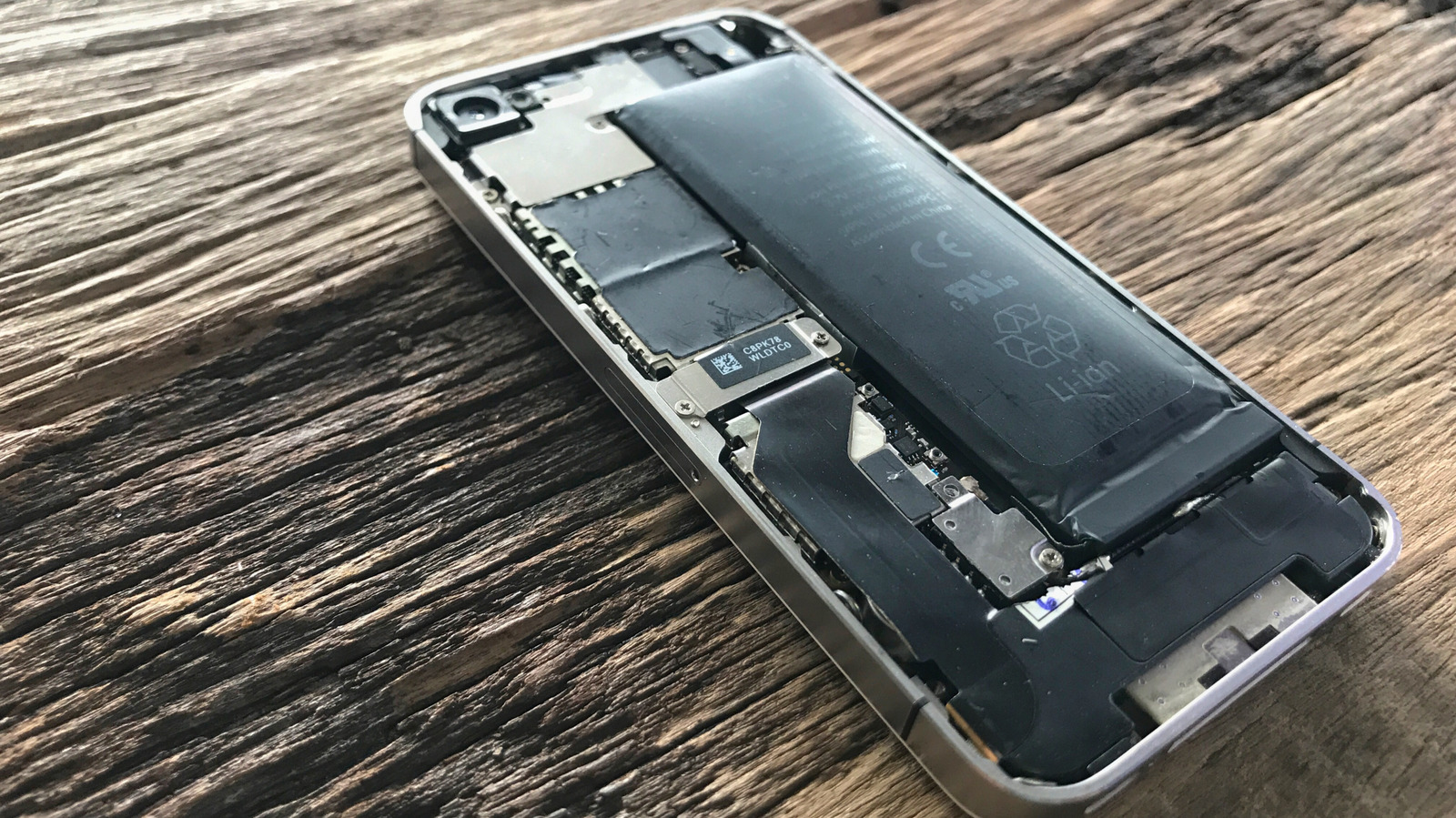
Swapping a smartphone battery used to be a simple, user-friendly task, but that era has largely faded. Although a handful of devices still offer easily replaceable batteries, the feature has become rare and is now considered almost obsolete. However, a new European Union regulation taking effect in February 2027 could push manufacturers to revive the concept.
Some current models still embrace the old design. The Samsung Galaxy XCover 7 Pro, a rugged handset, allows users to swap its 4,350mAh battery in moments, making it useful for outdoor activities. Meanwhile, the Fairphone 6 offers a replaceable cell, but unlike its predecessors, it requires unscrewing five screws because the device was made slimmer.
Several factors explain the decline of replaceable batteries. Consumers often prefer thinner phones, and mechanical parts such as clips and screws add bulk. Sealed designs also allow engineers to arrange components more freely. Premium materials like glass and aluminum have become popular, but glass is too fragile for a removable back panel. The XCover 7 Pro and the older Galaxy S5 both use plastic bodies. Water and dust resistance is another reason. The iPhone 17 series, for example, carries an IP68 rating and can stay under water at 5.8 meters for 30 minutes. The rugged Samsung model also has IP68 despite its removable cover, as Samsung added seals and gaskets to protect sensitive areas.
Longer-lasting batteries could also encourage people to keep devices longer, which would not be ideal for manufacturers.
The EU’s 2027 law requires phones and tablets sold in the bloc to have user-replaceable batteries, aiming to reduce waste and improve recycling of materials like lithium and cobalt. The rule says a battery is removable if users can take it out with standard tools such as screwdrivers; special tools must be supplied free, and adhesives that need heating or solvents are banned. This does not necessarily mean snap-off back covers will return, as screws may be allowed.
There is an exemption: if a device maintains at least 83% battery capacity after 500 cycles and 80% after 1,000 cycles, and has at least an IP67 rating, manufacturers may only have to provide replacement batteries to professional repairers. Apple has stated that iPhone 15 and newer models retain 80% capacity after 1,000 cycles, and iPhone 17 meets IP68. Therefore, many upcoming phones may have easily replaceable batteries, but high-end models might not change drastically.