EU and UK prepare a reset of relations, but disagreements remain
A UK–European Union summit due on Friday is expected to confirm deals on easier food trade and youth mobility. Disputes over tuition fees and alignment with EU rules remain unresolved.
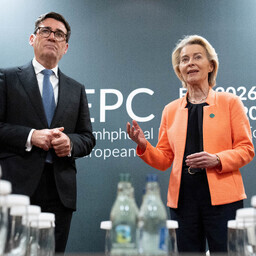
A summit between the United Kingdom and the European Union is due on Friday, where the two sides are expected to record agreements on simpler trade in food products and easier mobility for young people. It forms part of a reset in relations between Brussels and London, ten years after Britain voted to leave the EU, which now has 27 member states. According to Reuters, the summit will likely also expose lingering disagreements and leave questions over the long-term future of UK–EU ties.
Reuters reports that resentment over the "divorce" has faded, and both sides have acknowledged the need for a closer partnership. The reasons cited include Russia's full-scale invasion of Ukraine, US import tariffs, China's control over critical mineral resources and the war in Iran.
British Prime Minister Andy Burnham has said London should consider different options for its future relationship with the EU, including rejoining the bloc. On Monday he called it an "obvious truth" that Britain has lost more from Brexit than it has gained. The summit was postponed from July after the resignation of Burnham's predecessor, Keir Starmer.
Food and emissions
The most significant agreement would allow cross-border trade in food and drink without the certificates and checks currently required. The UK estimates this could add more than £5 billion ($6.7 billion) a year to its economy. Another deal would link the UK and EU emissions trading systems, exempting their goods from carbon charges levied on imports in mutual trade.
Points of contention
The agenda also includes easing restrictions on young people working or studying for up to three years. Britain had pushed for a quota of 50,000 people, but according to EU diplomats the sides have now agreed on 100,000 under pressure from Brussels. A dispute also continues over tuition: EU countries want their students to pay domestic rather than international rates at British universities, which are typically about three times higher, while the UK prefers to offer only "significantly reduced" fees. The sides have agreed to try to settle the matter within six months.
Another problem is Britain's recognition of EU rules, a sensitive issue for Brexit supporters. London wants special status under the EU's "Made in Europe" programme, particularly for cars. The EU has signalled it is willing, but only if Britain aligns its policy with Brussels, which could mean the UK imposing duties on Chinese electric vehicles.