Eurovision to bar broadcasters from hosting if their country is in armed conflict
The European Broadcasting Union has updated Eurovision's rules so that a winning country's broadcaster cannot host the contest if its state is involved in an armed conflict or a sensitive geopolitical situation. Next year's contest will still take place in Bulgaria following Dara's win.
The European Broadcasting Union (EBU), which runs the Eurovision song contest, has changed its hosting rules so that a broadcaster will be ineligible to stage the event if its country is involved in an armed conflict or a sensitive geopolitical situation. The EBU said the update followed feedback from member broadcasters and is meant to give artists and production staff greater clarity while keeping the contest a safe and welcoming environment.
Eurovision is traditionally hosted by the broadcaster of the previous year's winning country. Next year's edition will go ahead in Bulgaria following singer Dara's victory in May.
Israel and Ukraine precedents
The contest has faced repeated protests over Israel's participation, which dates back to 1973. Five long-time participants — Spain, the Netherlands, Ireland, Iceland and Slovenia — boycotted this year's contest in Vienna after organisers refused to exclude Israel over its conduct in the war against Hamas in Gaza and violence against Palestinians in the West Bank. It remains unclear whether or when those countries will return. Israel finished second this year, as it also did in 2025.
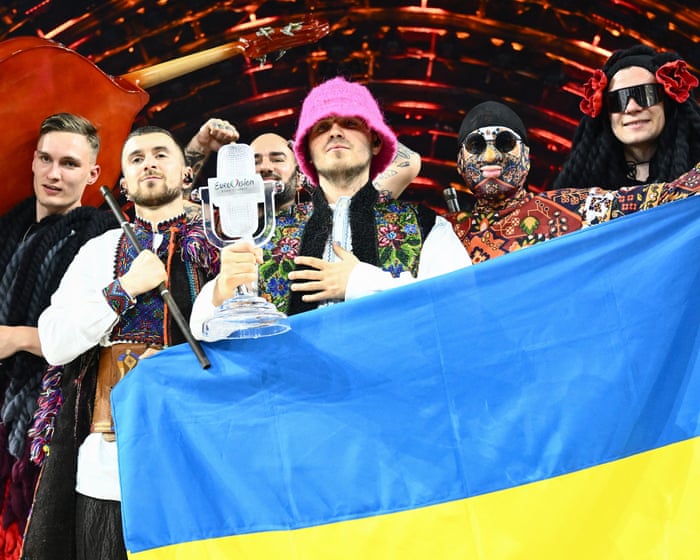
Under the new rules, in difficult situations short of armed conflict, an independent security body will assess whether a winning country can safely host the contest. If a winner is judged ineligible, the EBU will find another broadcaster to take on all hosting rights and obligations, without obliging any member to stage it on another's behalf. A similar situation arose in 2023, when the contest was held in Liverpool after Ukraine's win because Russia's war made it impossible for Ukraine to prepare the event.
The rule changes also raise the minimum age for competing artists from 16 to 18. Organisers said this year's final drew 130 million viewers worldwide, down from 160 million in 2025. Despite financial and audience losses linked to the boycott, Eurovision is expanding: a spin-off event, Eurovision Asia, is due to take place in Bangkok in November. Last month organisers announced Canada would join the main contest, becoming the first new participant since Australia in 2015.

/nginx/o/2026/09/26/17940681t1h6dfc.jpg)