exFAT vs NTFS: What's the difference and which should you pick?
The article compares two Microsoft-developed file formats — exFAT and NTFS — highlighting their strengths and best use cases, from cross-platform compatibility to advanced security features.
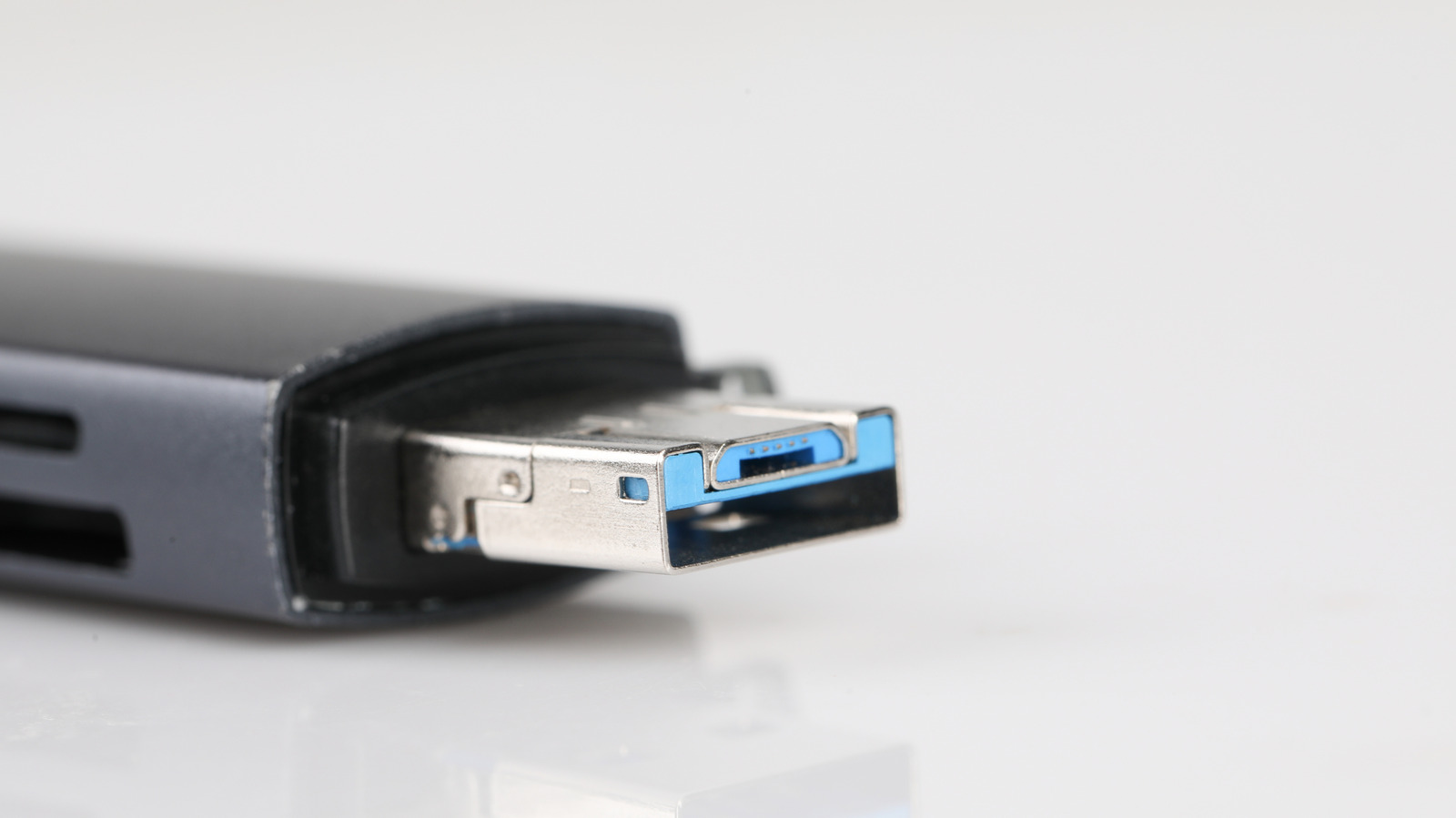
Formatting a USB drive might seem simple, but choosing between exFAT and NTFS can be confusing. Picking the wrong format may lead to compatibility issues, failed transfers, or a higher risk of data corruption. Both formats come from Microsoft, yet they serve different purposes.
What is exFAT good for?
exFAT was introduced in 2006 as a lightweight, cross-platform solution. It excels at compatibility and handling large files, making it ideal for external drives shared between Windows and Mac computers. The format works well with big files such as 4K videos or disk images, and it's well-suited for flash-based storage like USB sticks, SD cards, and portable SSDs.
However, exFAT lacks advanced features found in NTFS, such as journaling, which makes it more prone to data corruption during unexpected interruptions. It also doesn't support file permissions or encryption, limiting security for sensitive data. Even though exFAT is compatible with macOS, it won't work with macOS Time Machine backups — you'll need APFS or Mac OS Extended for that.
What is NTFS good for?
NTFS is Microsoft's advanced file system, offering file permissions, encryption, and journaling to protect data during unexpected events. It's the default format for most Windows PCs and is ideal for internal drives or Windows-only setups. If security features are important for protecting sensitive data, NTFS is the format of choice.
The downside is that NTFS is not fully compatible with macOS. Macs can read NTFS drives but can't write to them without third-party software. Therefore, NTFS is best for drives that will stay within the Windows ecosystem, especially for storing sensitive data or backups.
Which format should you choose?
If you need a general-purpose drive that works across Windows and Mac, exFAT is the best option — it avoids the file size limits of FAT32 and works seamlessly on both systems. For drives dedicated to Windows-only use, especially those holding sensitive data or backups, NTFS offers more robust and dependable performance.