FCC votes to eliminate national TV ownership cap despite legal concerns
The US Federal Communications Commission has voted 2-1 to scrap the 39 percent national ownership cap for broadcast TV stations, a move likely to face court challenges.
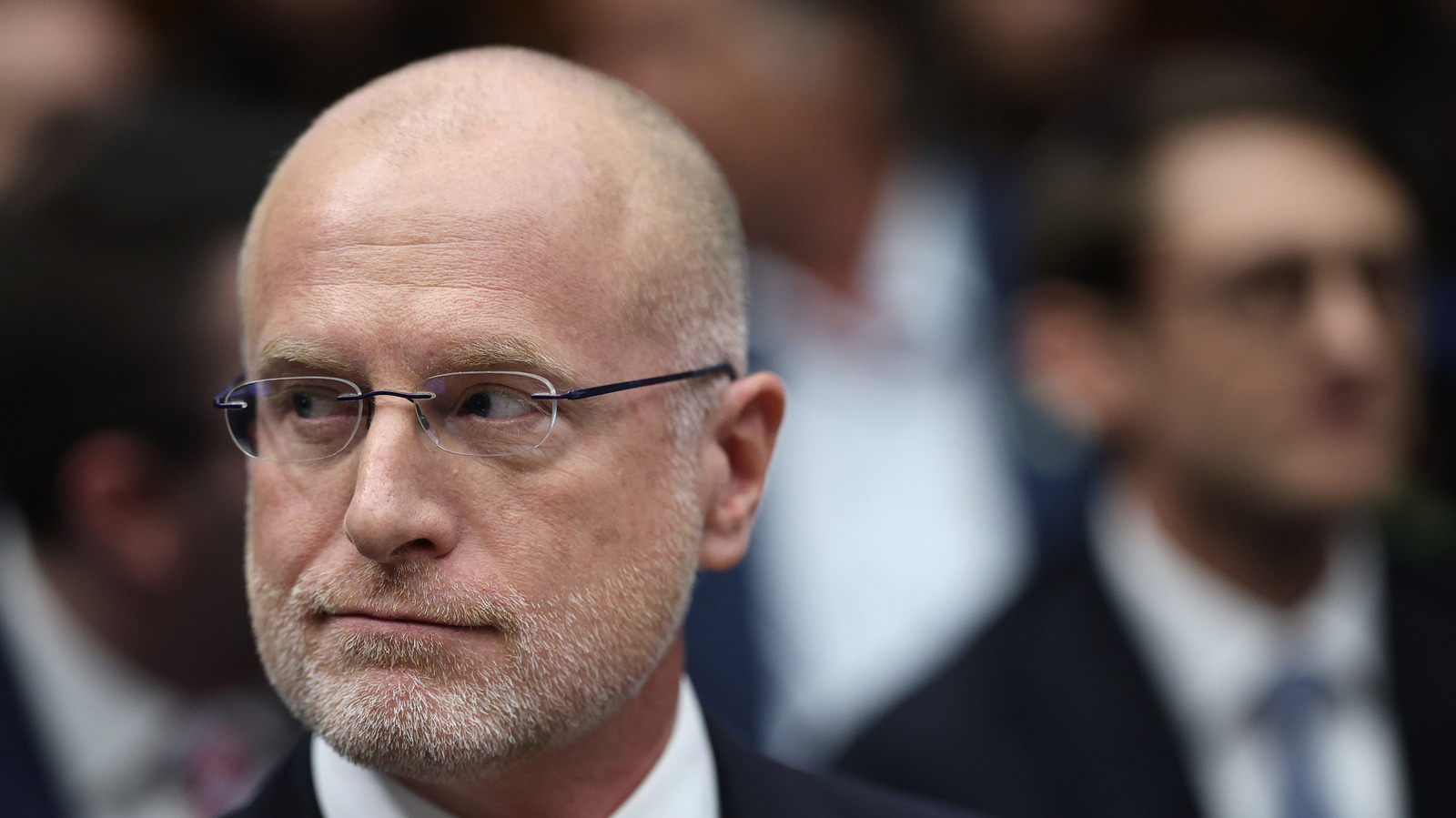
The Federal Communications Commission has voted along party lines to repeal a rule that limited any single broadcaster's reach to 39 percent of American television households. The decision, adopted by a 2-1 vote, replaces the fixed cap with a case-by-case review of TV ownership deals.
The cap was originally introduced to prevent excessive consolidation in the broadcast industry and to limit the influence of any one media company. Under the new approach, the FCC will evaluate proposed transactions individually. The change is particularly beneficial to Nexstar Media Group and Sinclair Broadcast Group, both of which currently reach about 39 percent of TV homes.
Sinclair's CEO, Chris Ripley, welcomed the commission's action during an earnings call held before the vote. Ripley said the FCC has solid legal ground to change the rule and argued that the agency's mandate is to deregulate over time. Sinclair previously received a waiver from the FCC for its proposed merger with competitor Tegna, which would create a combined group of 260 stations covering 80 percent of the country. That deal faces an antitrust lawsuit from state attorneys general and DirecTV.
FCC chairman Brendan Carr presented the repeal as a benefit for local broadcasters, warning that inaction could push local stations "the way of newspapers." He said removing the national cap would restore balance and counter the leverage of national programmers, and also claimed it would stop the "undifferentiated passthroughs of national programming produced in Hollywood and New York."
Commissioner Anna Gomez, the sole dissenting vote, said the large station groups that stand to grow under the decision are not truly local broadcasters but national companies that own local outlets and increasingly determine what airs on them.
Legal experts and critics point to Section 10 of the Communications Act, which explicitly prohibits the FCC from modifying rules related to Section 303. Tom DeLay, a former Republican House majority leader who helped negotiate the 2004 appropriations bill containing the cap, wrote that regulatory agencies cannot defy or alter laws enacted by Congress. The FCC's decision is widely expected to be challenged in court.