FCC Proposes to Make It Easier for ISPs to Hide Junk Fees
The Republican-led U.S. Federal Communications Commission has proposed changes to broadband nutrition labels that would allow internet service providers to aggregate fees rather than itemizing them, which critics say will worsen the problem of hidden charges.
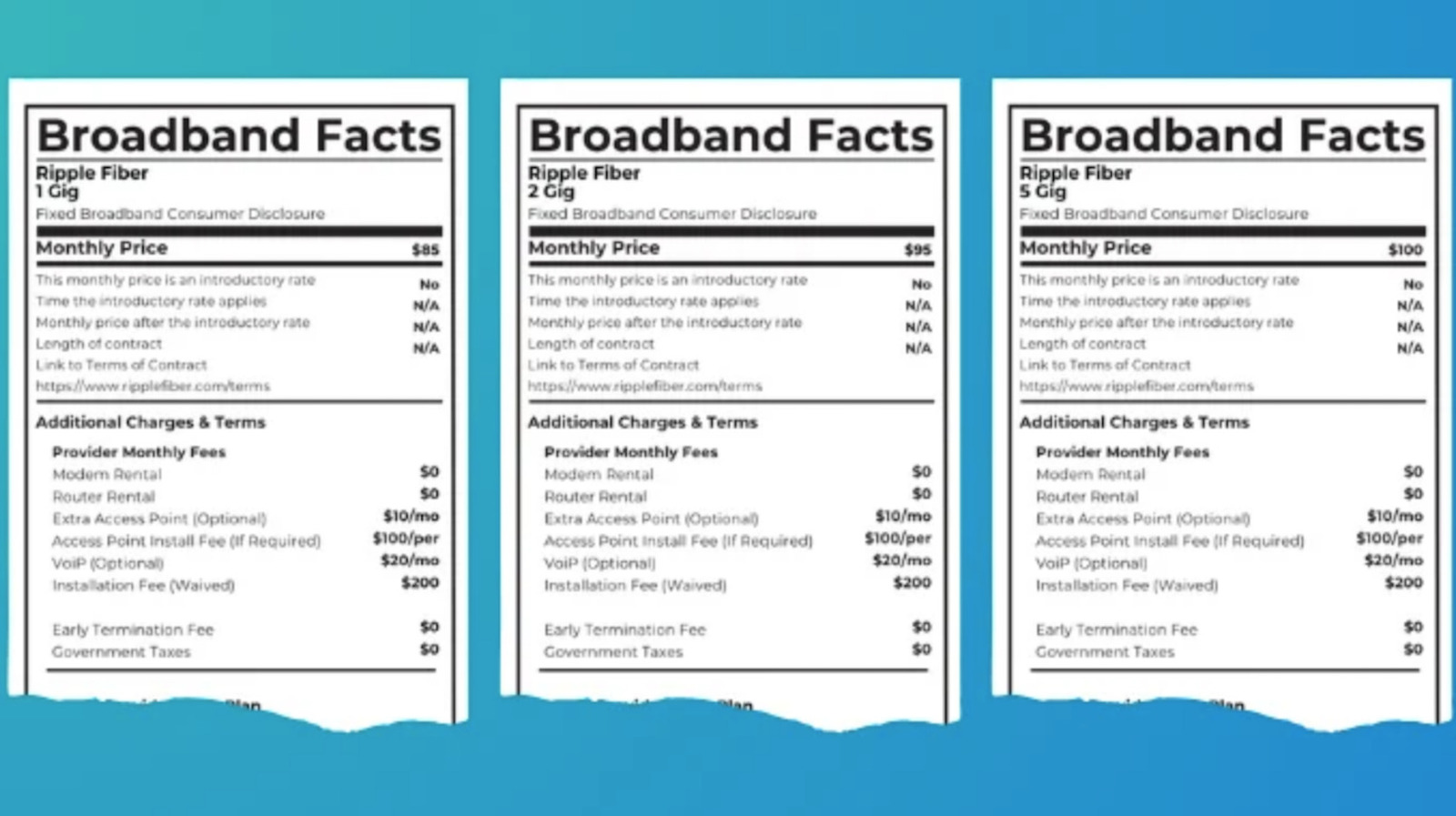
The Republican-led Federal Communications Commission (FCC) is moving to alter transparency rules for broadband internet service providers (ISPs), potentially making it much easier to charge hidden fees. According to a report by Ars Technica, the FCC aims to remove requirements for ISPs to list all "passthrough fees" — additional charges from government agencies and third-party infrastructure suppliers.
In a draft order, the FCC argues that itemized lists of charges "frustrate or confuse consumers," claiming that disclosures have become "overly complex" and that "excessive itemization creates cognitive burdens." If passed, ISPs would be allowed to display an aggregate of fees as a single line item, either as a maximum or "up to" amount, rather than an accurate breakdown. Phone sales representatives would also be permitted to present label information "conversationally" instead of verbatim.
Additional proposed changes include removing the requirement to show labels on an order page if a hyperlink is provided, eliminating the need for machine-readable spreadsheets, and dropping the mandate to archive all price labels for at least two years after a service plan ends. Critics say these moves will make it harder for third parties to track price changes over time.
The telecom industry, which spent over $114 million on lobbying in 2025 — the third-highest amount on record — has embraced the proposal. Public interest groups, including the National Digital Inclusion Alliance and the National Consumer Law Center, have filed a joint statement opposing the changes, warning that they will worsen the problem of junk fees and expand the digital divide. The FCC is scheduled to vote on the proposed changes on July 22; if approved, they would take effect 30 days after publication in the Federal Register.