Fedorov reveals mobilisation overhaul timeline: launch in August, fix by September
Ukraine's former defence minister Mykhailo Fedorov disclosed that a planned mobilisation reform was to be presented in July, launched in August, and resolve staffing shortages by September. He outlined key elements including better pay, fixed-term contracts, and recruitment of foreign nationals.
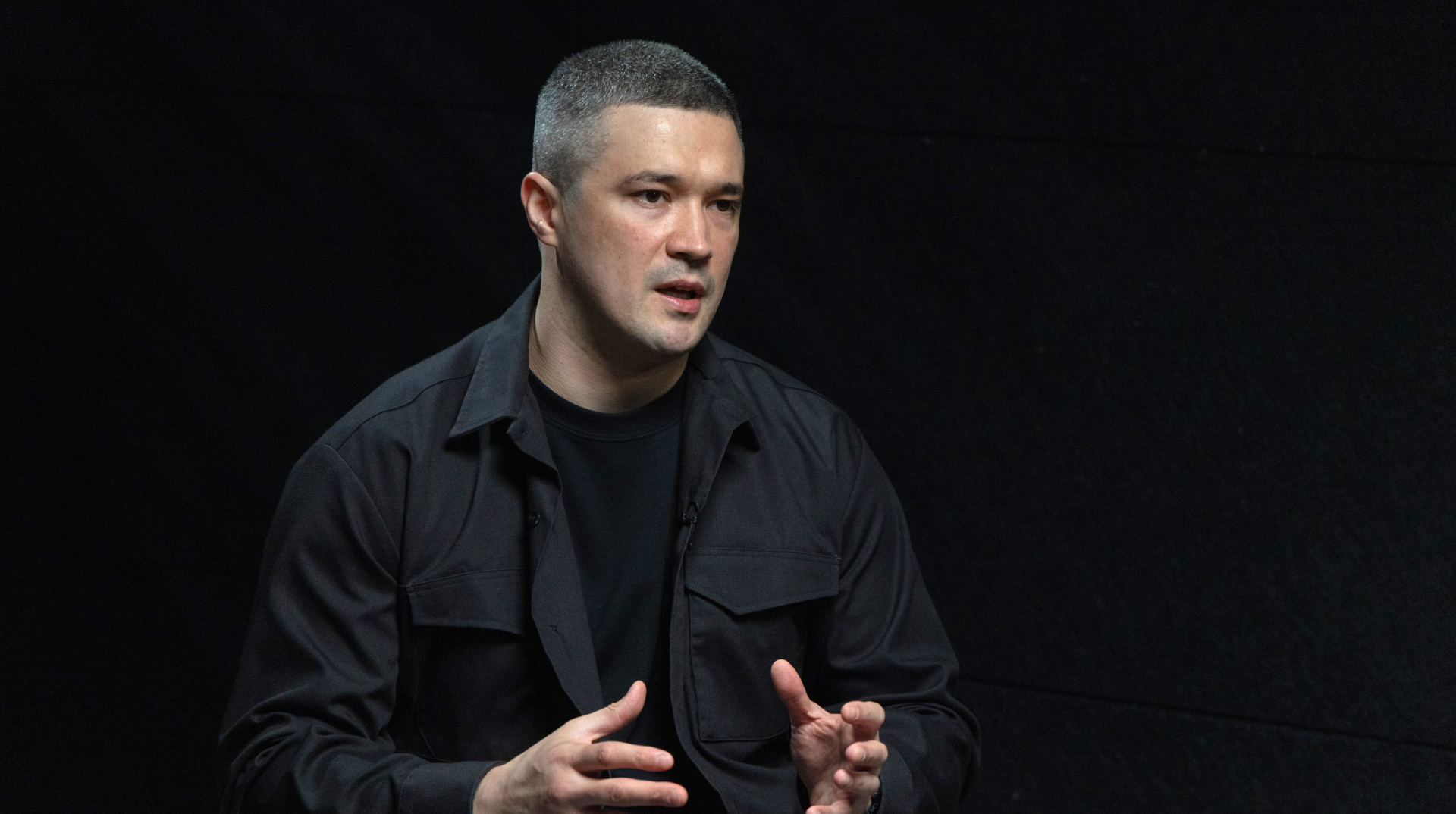
Former Ukrainian Defence Minister Mykhailo Fedorov has revealed that his proposed mobilisation reform was scheduled to be presented in July, launched in August, and deliver a significant improvement in army staffing by September. In an interview with Ukrainska Pravda, Fedorov said discussions on the changes continue at the Defence Ministry and expressed hope that the new leadership would carry on implementing them.
Fedorov emphasised that mobilisation should be seen as just one part of a broader system for staffing the armed forces. The first priority, he said, is to change service conditions by introducing defined terms, contracts, decent pay, and opportunities for professional development. He noted that many people avoid military service due to fear of death, so the government must clarify that service is not limited to combat roles while also providing fair terms.
Fedorov proposed recruiting foreign nationals as a way to strengthen the army. In the long term, foreign citizens could account for up to 50% of frontline troops or assault units. He also outlined plans to increase pay for assault troops and infantry to $7,000 per month, enable transfers between corps, and introduce contracts with fixed terms of service.
Fedorov acknowledged that his team made communication mistakes regarding the reforms, saying the planned changes should have been presented for public discussion. He added that new Armed Forces Commander-in-Chief Mykhailo Drapatyi has an opportunity to continue transforming the military and complete the changes Fedorov's team began.
Fedorov also disclosed that a meeting with key figures involved in the mobilisation reform was scheduled for the day he was dismissed. At that meeting, he was due to sign an order implementing initial changes to military enlistment offices, including banning balaclavas, altering camera operations, and rolling out digital tools. He stressed that his team had followed an approved plan and had implemented the first stage of the reform before his dismissal. The Defence Ministry had introduced changes in June related to service terms, deferments, increased pay, foreign national recruitment, and inter-unit transfers.