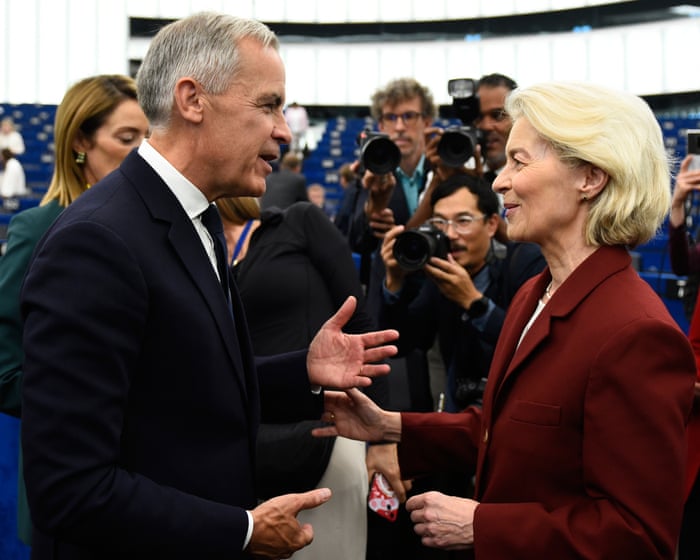
Fico's Article 5 remarks spark criticism over Slovakia's NATO commitment
Slovak Prime Minister Robert Fico said he would do everything to keep Slovakia out of a military conflict under NATO's Article 5, prompting a dispute with Czechia's president and domestic opposition.
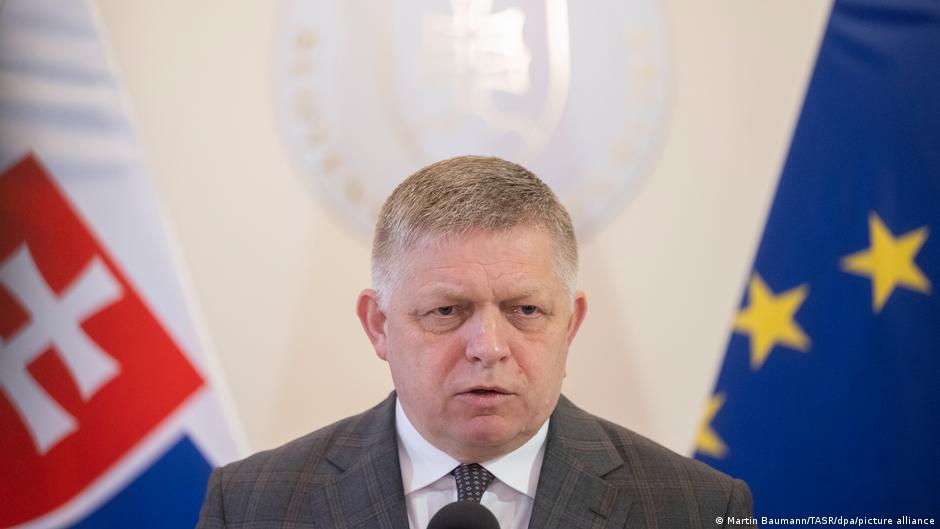
Slovak Prime Minister Robert Fico told medical students in Presov last week that he fears war, warning that the conflict in Ukraine could spiral into a wider confrontation. He asked them to imagine Slovakia being ordered to send thousands of soldiers into a fight without knowing why. Turning to NATO's Article 5, which holds that an attack on one member is an attack on all, Fico said he did not want Slovakia drawn into a conflict because of the clause, while insisting the country still values its NATO membership and obligations.
The comments triggered sharp criticism from the Slovak opposition and a public clash with Czech President Petr Pavel, a former chairman of NATO's Military Committee, who suggested Fico did not understand the meaning of solidarity. Fico responded that Pavel, as a former NATO general, wanted to fight, whereas he himself preferred peace.
Political backdrop
Former Foreign Minister Miro Wlachovsky criticized Fico for voicing fears instead of explaining how the country is prepared for a potential threat, saying the remarks have already damaged Slovakia's standing among allies. Analysts link the rhetoric to next year's difficult reelection fight, suggesting Fico may be courting voters from the extreme-right Republika party, which opposes NATO, the EU and military aid to Ukraine.
What Article 5 actually means
Former NATO spokesperson Oana Lungescu explained that Article 5's core purpose is deterrence, not automatic deployment of troops. Any invocation requires consensus among all 31 other allies in the North Atlantic Council, where Slovakia's voice carries equal weight. The article has been invoked only once, after the September 11, 2001 attacks on the US. Slovakia already benefits from allied solidarity, hosting a NATO multinational battlegroup set up after Russia's full-scale invasion of Ukraine.
Former Defense Minister Jaroslav Nad warned that letting fear drive policy toward Ukraine plays directly into the hands of Russian President Vladimir Putin.