Rare brain worm infection confirmed in Filipino farmer after lab-hatched eggs grow tails
A rice farmer in the Philippines was diagnosed with a rare brain complication of a parasitic blood fluke after sudden one-sided shaking, confirmed when eggs found in her brain hatched into tailed larvae in a lab test.
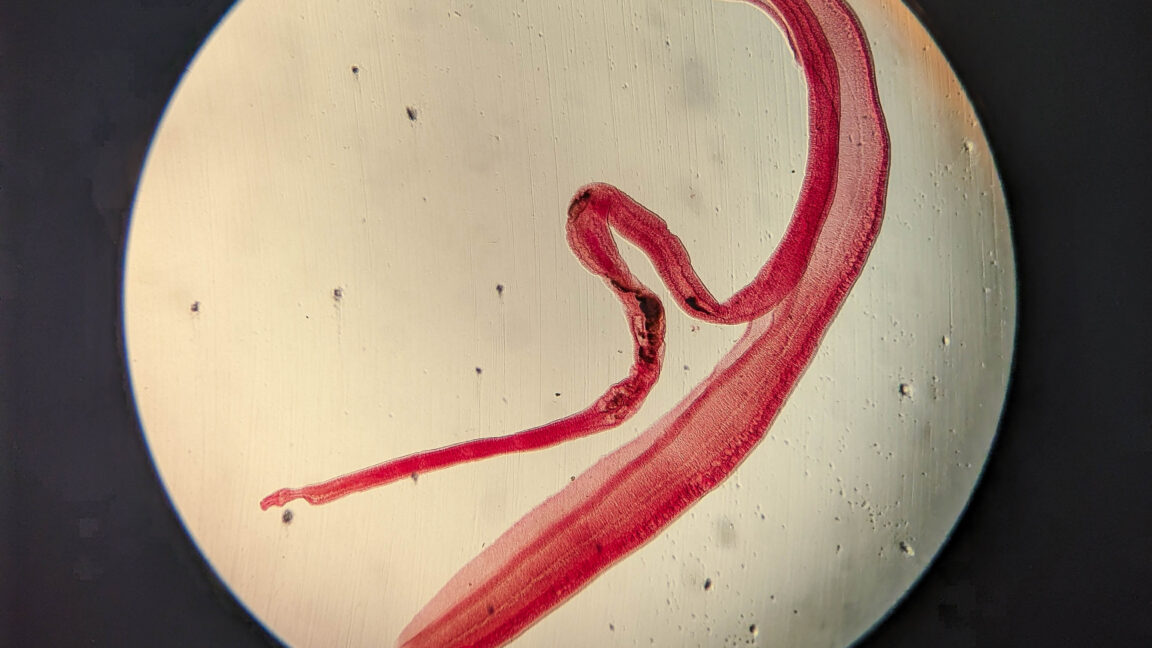
A rice farmer in the Philippines experienced sudden, uncontrollable shaking in her right arm and leg. Beforehand she had felt fine, with no headache, confusion, or weakness. The shaking lasted about a minute and affected half of her body, prompting her to go to an emergency department.
A physical exam turned up nothing unusual, but a brain MRI revealed a bright cluster of nodules surrounded by fluid in her left frontal lobe. Doctors immediately suspected the nodules were parasite eggs.
According to a case report in the latest issue of the New England Journal of Medicine, physicians suspected neuroschistosomiasis, an uncommon complication of infection with a Schistosoma parasitic worm, also known as a blood fluke. In the Philippines, the most common species is S. japonicum, which is also found in China and parts of Indonesia, though it has been eliminated from Japan despite its name.
A complex life cycle
S. japonicum has an elaborate life cycle. Its eggs are shed in the urine or feces of various animals, including humans, and under the right conditions hatch into free-swimming larvae. These larvae seek out specific aquatic snail species, boring into them and passing through two developmental stages inside.
Late-stage larvae eventually burst out of the snails, grow a forked tail, and swim in search of an animal host. These tailed larvae, called cercariae, can tunnel through intact skin and travel through the vascular system, passing through the lungs and heart before reaching the liver, where they mature into adults. Adult males and females live in pairs, with the slender female nestled in a groove of the thicker male. The pairs typically settle in large abdominal blood vessels connecting the liver to the intestines, releasing eggs that ultimately end up in feces and urine.