Flash memory's rise: what makes it useful and where it still falls short
NAND flash has become the backbone of modern storage in phones and SSDs, but cost and wear limitations remain unresolved. No clear replacement technology has emerged yet.
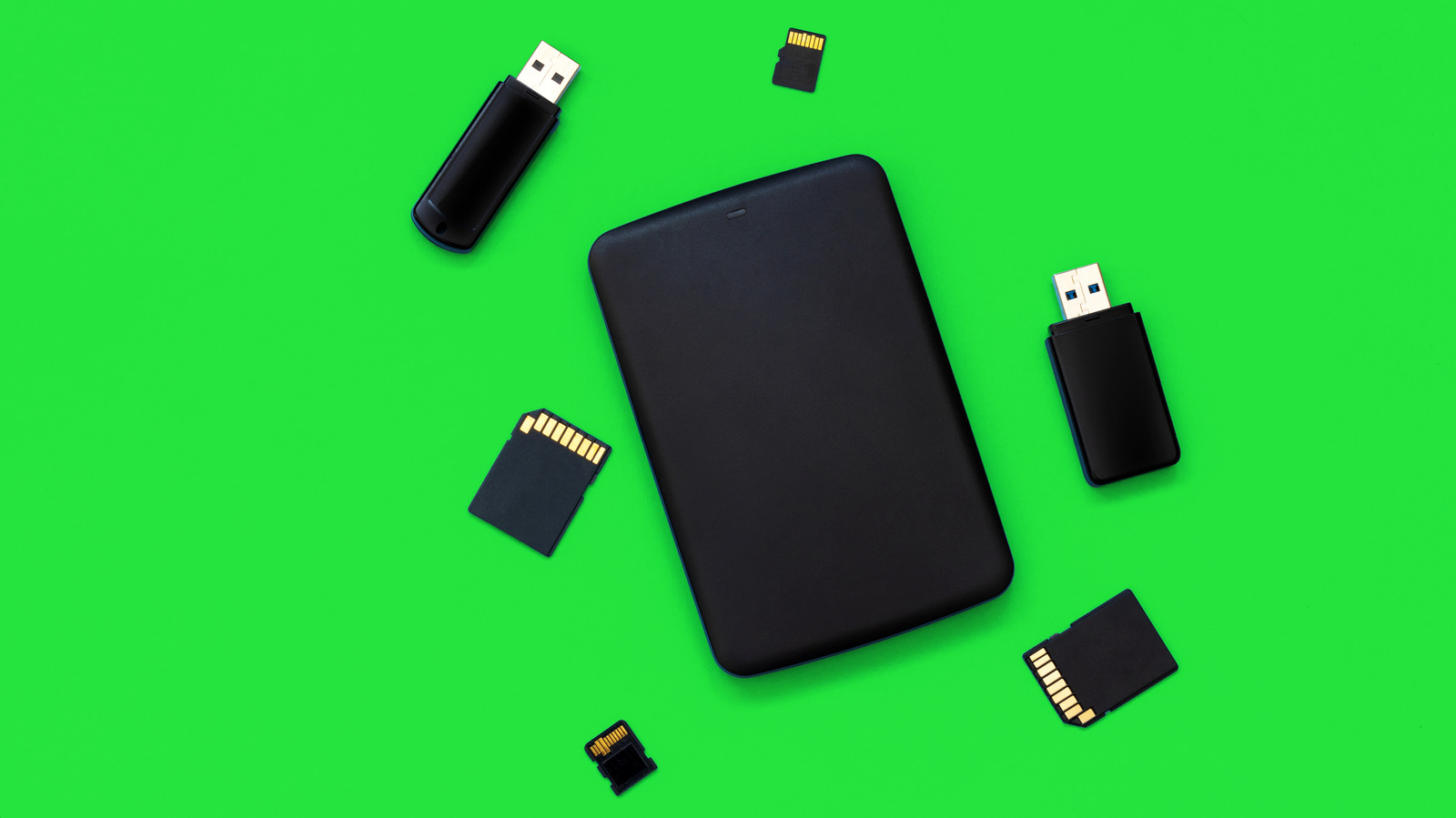
Flash memory has grown far beyond the keychain USB stick image, becoming the foundation of storage in SSDs, smartphones and countless other devices, thanks to its ability to retain data without power while packing large amounts of storage into small packages.
Why it became so widespread
NAND flash cells store electrical charge in an insulated layer, with different voltage states read as data. Advances such as 3D NAND, which stacks cells vertically instead of across a flat plane, and designs that store three or four bits per cell, allow more storage to fit in the same space while lowering cost per gigabyte. This makes flash especially suited to portable electronics: unlike hard drives, SSDs have no moving parts, giving them lower latency, better durability and a smaller footprint for thin devices. Still, flash cannot replace system RAM, which is much faster and handles temporary working data rather than persistent storage.
The core drawback: wear
Each NAND cell can only handle a limited number of write-and-erase cycles. Packing more bits into each cell boosts density and lowers cost, but reduces endurance — which is why QLC NAND typically wears out faster than simpler designs. Modern SSDs largely hide this issue through wear leveling, error correction and retiring unreliable blocks. Samsung, for instance, warrants its 1TB 990 Pro drive for five years or 600TB of writes.
Price remains a sticking point
Hard drives still offer cheaper storage for bulk data needs. Market analyst TrendForce forecasts NAND contract prices could rise 70 to 75 percent quarter over quarter in Q2 2026, with another 10 to 15 percent increase expected in Q3, driven by tight supply and rising demand from AI and data centers.
While alternatives such as phase-change memory and MRAM continue to be researched, none has yet emerged as a clear successor to NAND flash.


