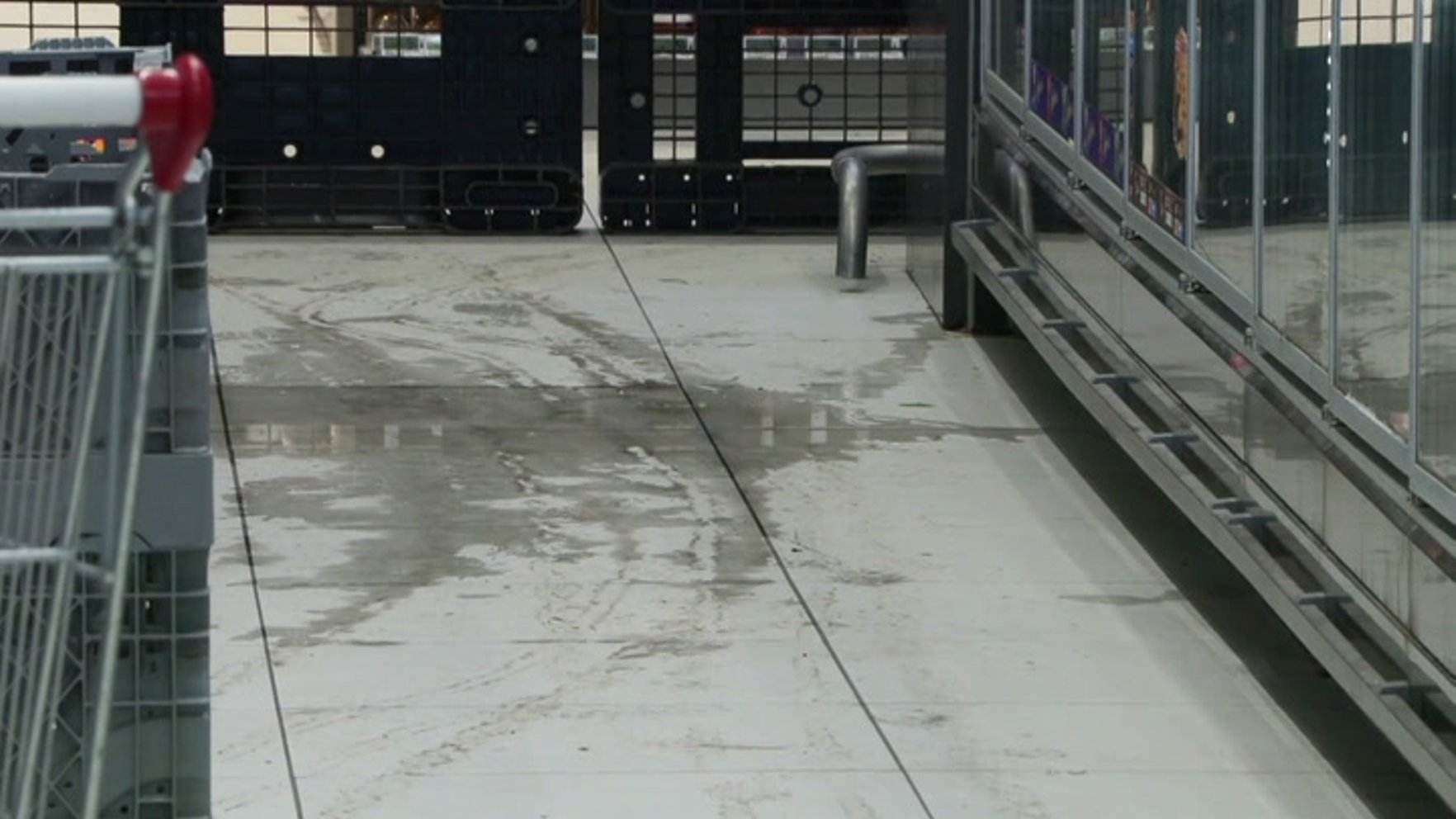
Hackers Remotely Tamper With Hundreds of Supermarket Freezers in France
A cyberattack on French supermarket chains remotely altered the temperature of refrigeration units, forcing stores to throw out food stock. Paris prosecutors have opened an investigation.
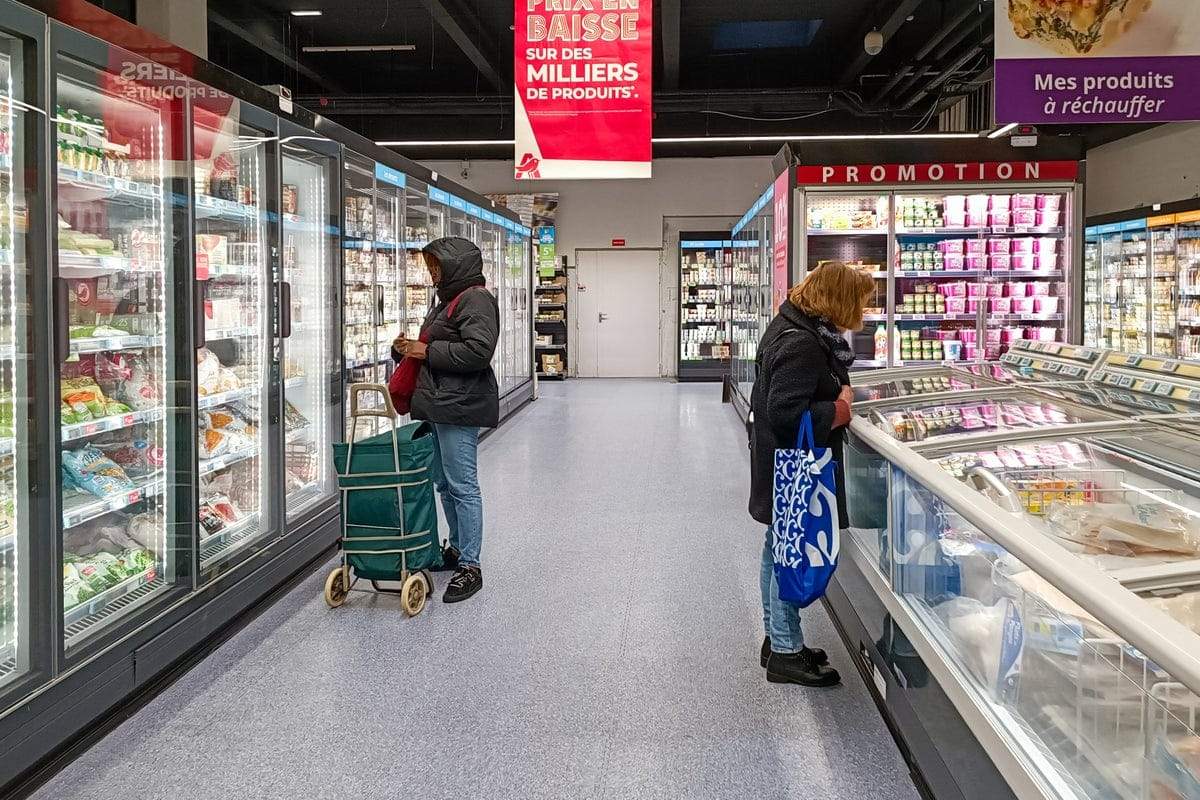
In October 2026, French food retailers were hit by a large-scale cyberattack in which hackers remotely changed the temperature of freezers and fridges. Hundreds of units began to thaw, and stores had to discard spoiled stock. The incident has raised food safety concerns and shown how vulnerable industrial equipment connected to the internet can be.
The leading retailers E. Leclerc, Intermarché and Cooperative U confirmed the attack. The chief executive of Cooperative U described it as unprecedented. The targets included at least 300 Intermarché stores or stores of its Netto brand, more than 100 Cooperative U outlets and several E. Leclerc stores. Media report that Carrefour Market and Monoprix were also affected, but the companies have not yet confirmed this. The scale of the losses is not yet known.
What is known about the cause
E. Leclerc said the attack hit one of its refrigeration equipment suppliers. According to one source, the target was the refrigeration control system of the Danish manufacturer Danfoss. A person close to French Prime Minister Sébastien Lecornu said the national cybersecurity agency had already identified a weakness in software supplied by the Danish company and had contacted the supplier. The agency is working with European counterparts, since other countries may be affected, and is trying to identify other French companies involved so they can be warned.
The Paris prosecutor's office has opened an investigation into a large-scale cyberattack on the freezers of several major food retail chains across the country. Intermarché said the affected stores will have to throw away all products, both fresh and frozen. It has also been reported that the attack caused several fires.
The European Union's commissioner for agriculture and food, Christophe Hansen, condemned the attack and said food safety needs more attention at all levels.
A representative of the cybersecurity consultancy Almond noted that industrial equipment once isolated from the internet is now linked to sensors or remote monitoring systems. Because the attack most likely hit hundreds of devices at once, it suggests a certain level of sophistication, he said.