French student leaders urge pupils to keep blockading schools despite government offer
A French high school student union, Les Lycéens, has urged pupils to keep blockading schools and joining street protests, even after the government unveiled an education package on Monday. The protests, now in their sixth week, are described as the biggest youth movement in France in years.
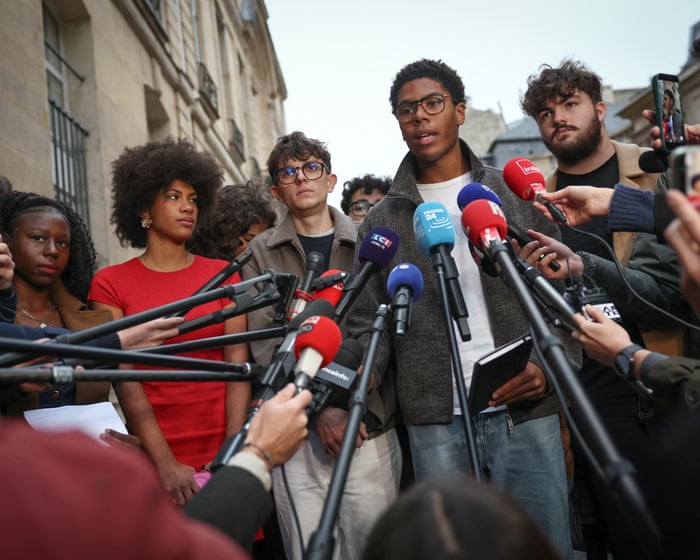
A French high school student union, Les Lycéens, called on Monday 26 October for pupils to keep barricading their schools and joining street protests. The call followed a package of education measures announced by the government to defuse the crisis. School blockades began across France in September and have grown into the largest youth protest movement in years.
Union representative Pierre Sourzat told France Info television that talks with the government were under way but the struggle was continuing. He said pupils wanted full measures rather than half measures.
What the government is offering
Education minister Édouard Geffray announced a state loan of €4bn to regional authorities to start repairs. He said some schools were so run-down they were "not fit" for teaching. Pupils had demanded an end to teacher and staff shortages and repairs to buildings with collapsing ceilings, mould, broken toilets and windows that do not close.
Class sizes for 15-year-olds in the first year of high school will be capped at 28 in the 50% of schools in the lowest-income areas, with the cap extended to all high schools next year. More teaching posts will be created, and the baccalaureate system will be reviewed. Higher education minister Philippe Baptiste promised 15,000 additional university places, focused on vocational courses. Parcoursup, the university application platform criticised as opaque and unfair, will be changed in 2027 and replaced by a new system in 2028.
Security situation
Several children have been seriously injured in the protests, allegedly by police explosive weapons, and hundreds of minors have been arrested. After 17 October, France's worst day of violence in years, with looting, fires and vandalism of state buildings, authorities tightened security, introduced curfews in some cities and banned some demonstrations. Interior minister Laurent Nuñez-Belda said ultra-right groups had targeted protesters in cities including Nice and Montpellier, and eleven suspects are to face charges.
President Emmanuel Macron, visiting Marseille, said the next day of street protests, 31 October, would be a "day of risk". He said the movement would subside if legitimate expectations were addressed and order maintained, but that nothing was a foregone conclusion.