UK-funded 4x4 used by French police against student protesters
French police used a 4x4 vehicle paid for by the UK to curb Channel migrant crossings during a student protest in Dunkirk. France's interior ministry has confirmed an investigation.
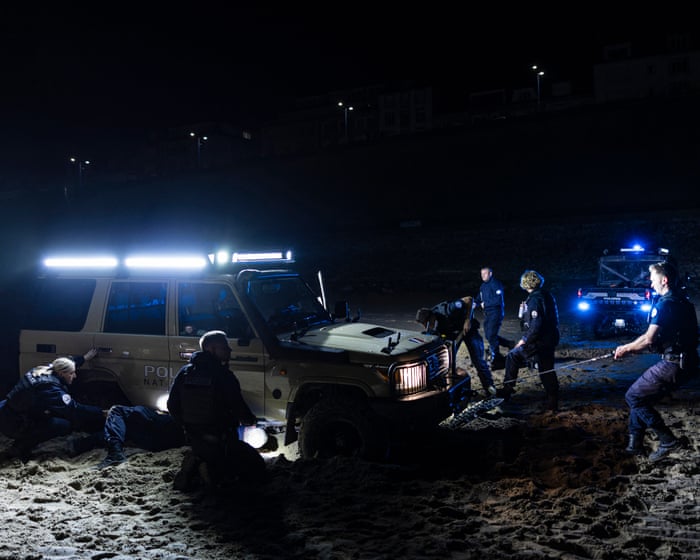
French police used a specialised 4x4 vehicle funded by the British government to charge at student protesters in Dunkirk on 10 October. The vehicle was financed to help stop asylum seekers crossing the Channel. The French government has confirmed an investigation into why it was used at a protest.
School protests have been under way across France for a third week, with an estimated 160,000 people taking part. Demonstrators cite crumbling schools and teacher shortages, and have criticised policing tactics after teargas was fired at protesters in two areas.
The Dunkirk incident
The incident was reported by French broadcaster BFM TV. Its footage shows the Masstech VEZI vehicle driving at speed, reversing, then moving forward again with a bin caught under a front wheel and dragged along. Students can be heard screaming and scattering from its path.
According to reports, a 14-year-old girl was injured and taken to hospital with a haematoma. She was later discharged and is recovering. She told reporters that what happened was "unacceptable".
British funding
The VEZI was earmarked for operations on French beaches to stop asylum seekers boarding dinghies. This falls under an Anglo-French border agreement signed in January 2018, known as the Sandhurst treaty. Under it, UK "Sandhurst funds" pay for extra equipment for France's National Gendarmerie (a police service), including all-terrain vehicles suited to dunes and beaches.
A French cross-party parliamentary inquiry found that nine VEZI vehicles have been bought under the treaty, and that funded equipment must directly contribute to combating illegal migration to the UK.
A spokesperson for French interior minister Laurent Nuñez said: "We can confirm the opening of an investigation into this." Utopia 56, a French association supporting asylum seekers in northern France, said repressive tactics tested at the border could be replicated in other contexts. The UK Home Office declined to comment.