France and Germany Brace for Protests, With 70,000 Police Deployed in France
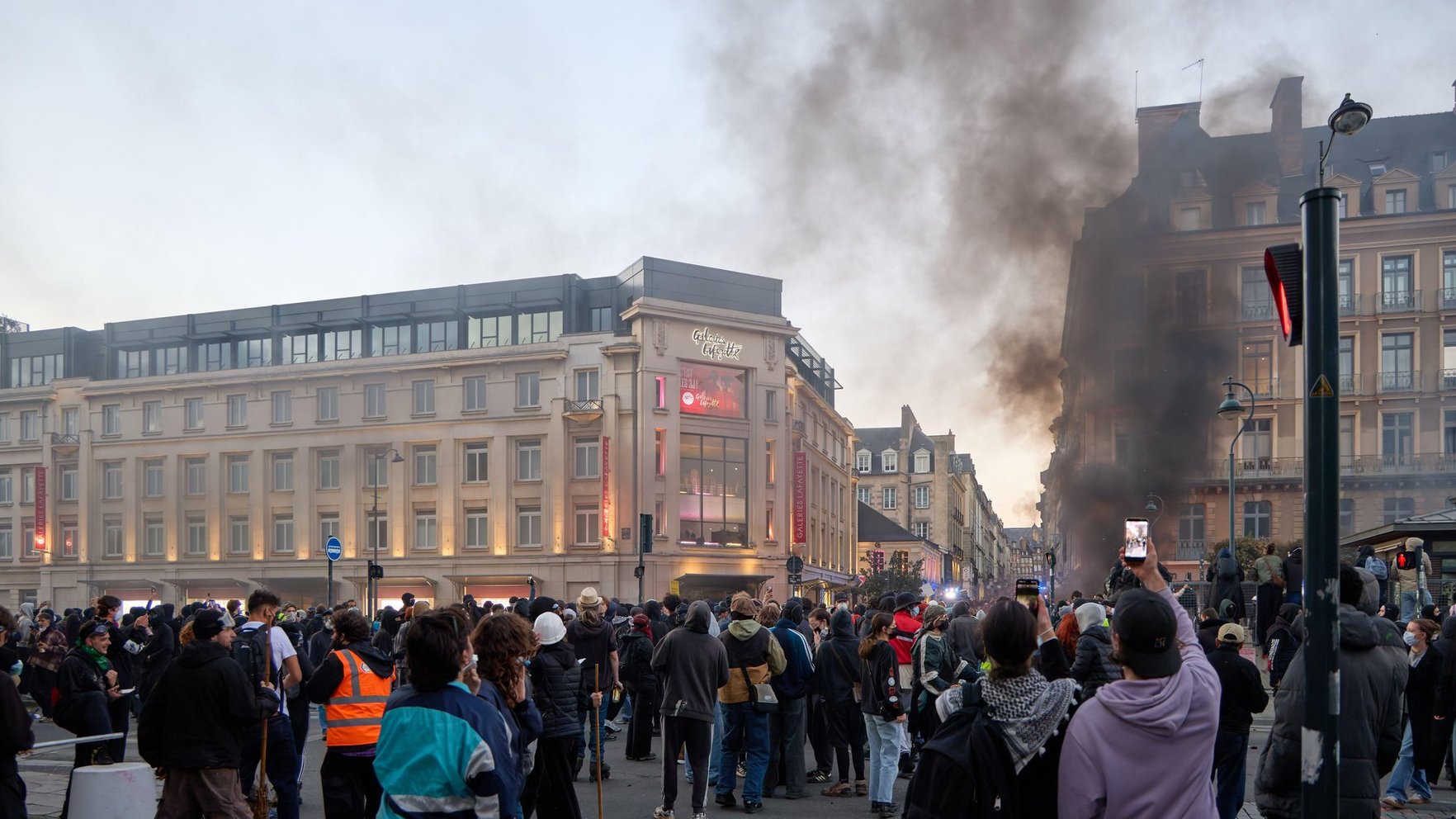
France is bracing for a third weekend of mass protests over low wages, the cost of living and education, with 70,000 police deployed. In Germany, the youth alliance Gen Z regelt has called demonstrations in more than 30 cities.
France is facing a third weekend of mass protests over the cost of living and a deteriorating education system on 31 October, while Germany expects youth-led demonstrations in more than 30 cities. French authorities have deployed 70,000 police officers to prevent a repeat of the riots and looting seen in recent weeks.
France
The protests began in late September, when students angry about school facilities, overcrowded classrooms and what they see as an unfair university admissions process took to the streets. They were later joined by gilets jaunes (yellow vests) activists and trade unionists. Government pledges to overhaul education and reduce fuel costs have done little to calm public anger. Student leaders say the government's measures, including replacing an ageing university admissions platform and offering loans to local authorities for school renovations, do not go far enough. A nationwide strike has been called for 5 November.
Widespread violence and looting occurred on 17 October. Last Saturday, according to the interior ministry, 410,000 people marched, and a strong police presence largely prevented a repeat.
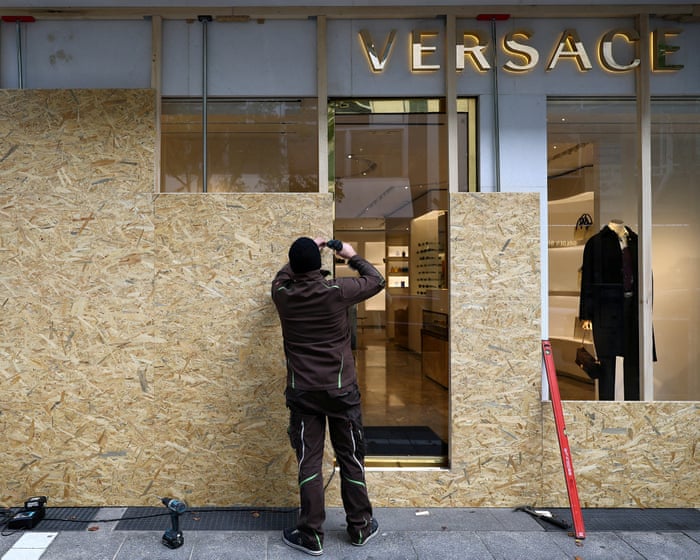
Interior minister Laurent Nuñez warned of a "very high risk of public disorder". Demonstrations are allowed, but not in city centres. About 150 are scheduled nationwide. He said authorities had spotted social media posts urging Halloween gatherings to spark a "revolution". Shops and businesses have boarded up their storefronts. In Paris, access to Place de la République and Les Halles is restricted from 11pm to 6am on Saturday and Sunday, and unaccompanied minors face a 9pm curfew around the Champs-Élysées. Two separate marches planned by unions and gilets jaunes through the centre were banned; a single march in the far south-east was authorised.
Germany
An alliance called Gen Z regelt ("Gen Z is sorting it") has urged supporters in Berlin, Frankfurt, Munich, Cologne and other cities to demand more investment in education, climate action and housing, and to oppose any return of compulsory military service. Organisers expect more than 160,000 participants.
Alexander Throm of the governing Christian Democratic Union (CDU) parliamentary group wrote that scenes like those in France "must be prevented at all costs". Felix Banaszak, co-leader of the opposition Greens, warned that pre-emptively criminalising the protests could drive people towards radicalisation. Berlin police chief Barbara Slowik Meisel said she would deploy an additional 1,500 officers, but said there was no concrete evidence of coordinated looting being planned.