FT: US Drops Economic Incentives Strategy in Russia Talks
US negotiators Jared Kushner and Steve Witkoff have told Europeans they have abandoned the economic incentives strategy in talks with Moscow on ending the war in Ukraine, the Financial Times reports. A US official called the report inaccurate.
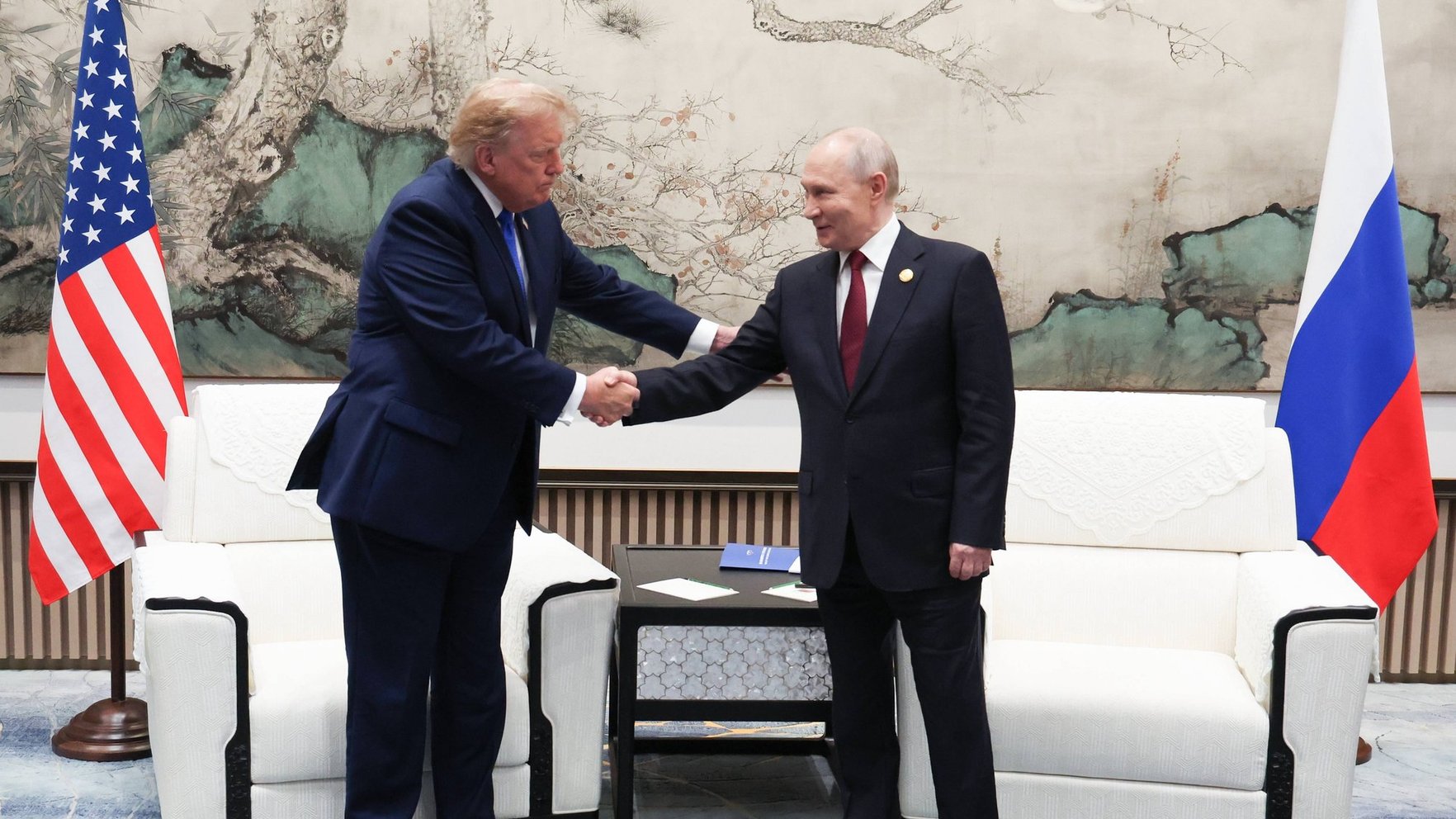
US negotiators Jared Kushner and Steve Witkoff, who represent President Donald Trump's administration in talks on ending Russia's war in Ukraine, have told European partners they are no longer pursuing a strategy of economic incentives toward Moscow. The British newspaper the Financial Times reports this, citing sources. The shift matters because it points to a possible change in the US approach to peace negotiations.
According to the report, Russian officials initially reacted positively to the proposals from Kushner and Witkoff. They reportedly saw the prospect of striking business deals as a way to keep Trump interested in the situation. Over time, however, the Kremlin lost interest in the idea and kept insisting that Ukraine make concessions, including on territory that Kyiv considers unacceptable to give up.
Clarity after Abu Dhabi
During talks in Abu Dhabi in early November, it became clear to the Americans that business deals would not soften the position of Russian President Vladimir Putin. According to the sources, the Kremlin believes any peace agreement will be followed by an easing of sanctions.
One source said the economic incentives strategy has moved into the background, while the US has shifted to a more traditional negotiating approach centered on the principle of "territory in exchange for peace".
US response
A US official, whom the newspaper asked for comment, described the paper's information as inaccurate. The official said the US is developing its negotiating priorities and will announce them when ready, and that economic incentives remain one of the elements.