Football unites behind Doku after childbirth criticism
Belgium forward Jeremy Doku faced criticism for potentially missing a match due to his child's birth, but received widespread support from players and organisations.
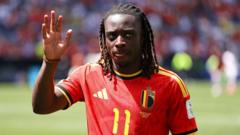
Belgium international Jeremy Doku, 24, and his wife Shireen are expecting their first child, due in the second week of July, which could coincide with a potential World Cup quarter-final if Belgium progress. Doku played 86 minutes in Belgium's opening 1-1 draw with Egypt in Group G but missed a 0-0 draw against Iran because of illness.
"If you ask me what I want, my answer is that nobody wants to miss the birth of their first child," Doku told Reuters. "But I also know that football involves many other considerations. I know the federation supports its players and understands their situations. We'll see what we can do."
England striker Ollie Watkins, a father of two, backed Doku. "I think someone labelled it disgusting and I think for a start that's not a way to label a birth," he said. "I've seen what my wife had to go through and that was quite smooth sailing but I know family members and friends that haven't had it that way. It only happens once - welcoming your first child to the world - and it is a blessing. There's a lot of times where you're away from family and friends during the season and it's very difficult, so to miss that would be tough and I see where he's coming from."
The Professional Footballers' Association (PFA) said demands should not come at the expense of "fundamental family moments". "While every situation is different, we believe players should be supported in balancing their professional responsibilities with important life events," a PFA spokesperson said.
The Fatherhood Institute also backed Doku. "It makes me think of gladiators in the Colosseum," deputy chief executive Jeremy Davies told BBC Sport. "We want these men to be these heroic figures who exist for our entertainment. They get paid lots of money but there are some things that are worth a lot more."
FIFA regulations guarantee a minimum of 14 weeks' paid maternity leave for female footballers, but there is no specific paternity leave provision for men, leaving players to juggle responsibilities.
Historically, several players have prioritised childbirth over football. Fabian Delph left England's World Cup camp in 2018 for his daughter's birth. David Silva missed two Manchester City matches after his son's premature arrival in 2018. David de Gea was given extended leave during the Covid pandemic when his partner gave birth in 2021.
However, others have missed the moment. This past weekend, Norway defender Leo Ostigard watched his son's birth on FaceTime while at the World Cup. Ruben Neves watched his third child's birth on his phone from Wolves' team bus in January 2021 due to pandemic travel restrictions.