Far-Right Parties in Europe: Where They Hold Power and How Strong Their Influence Is
A commentary on the Latvian portal nra.lv reviews how far-right parties have gained support and influence across Europe. It covers examples from Germany, Italy, Hungary, France, the Netherlands and Austria.
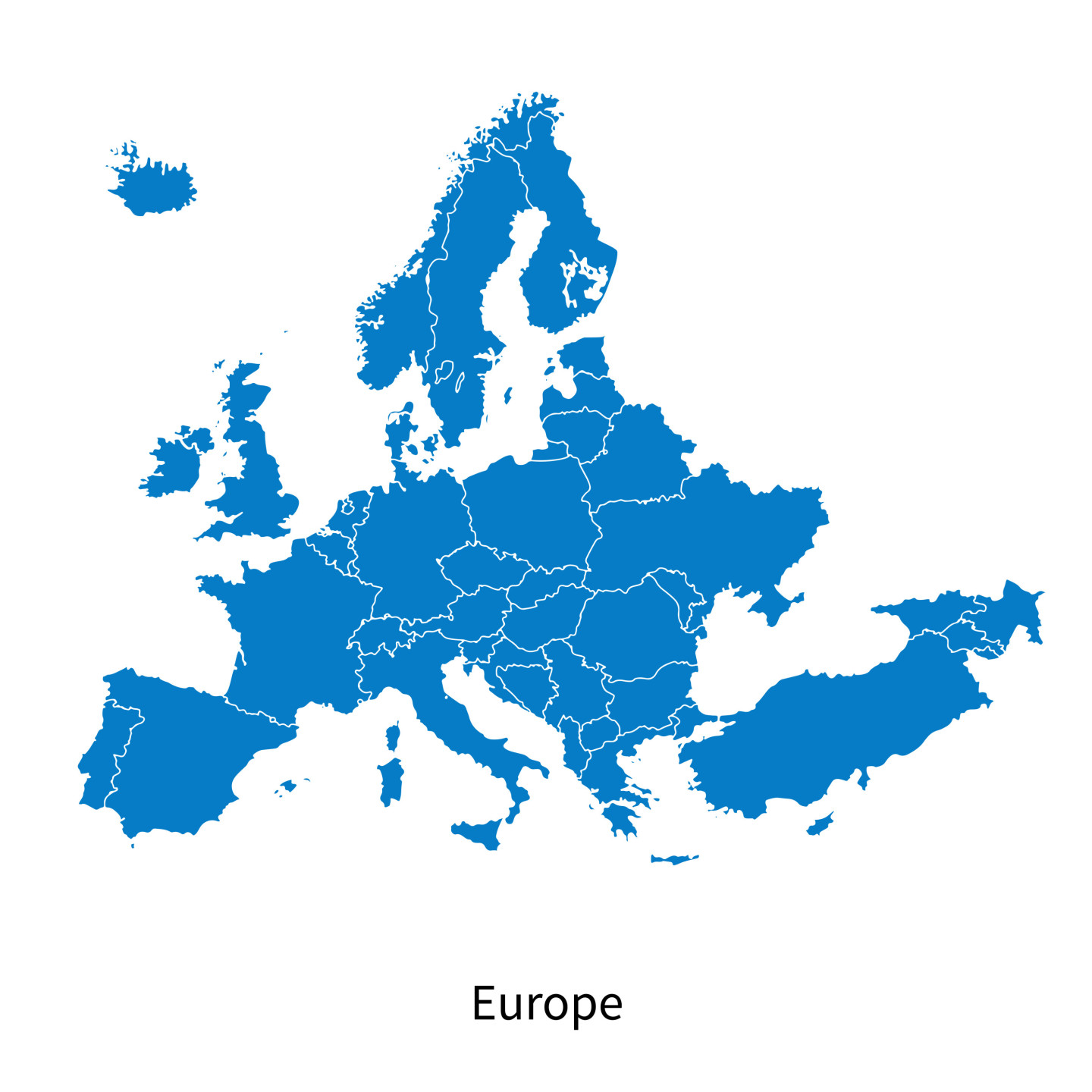
Far-right parties in Europe have gained considerable voter support. This is the conclusion of a commentary by political analyst Māris Krautmanis on the Latvian news portal nra.lv, which draws on figures the British newspaper The Guardian cited in June this year. According to that report, almost a quarter of European voters currently back such parties. An analysis by more than 150 political scientists indicates that their share of the vote has grown almost fivefold since 1995. The commentary also looks at individual national parties and their leaders.
What the research shows
A study of 31 countries found that the far-right share of the vote in national elections has exceeded 23%. The researchers link this to cultural alienation, concerns about national identity and distrust of the political elite, rather than economic hardship alone. A study published in Politico says TikTok and Instagram speed up radicalisation among young people.
Country examples
In Germany, the Alternative for Germany party (AfD) came first in the Saxony-Anhalt state election with 43.8% of the vote, but without an absolute majority. Other parties refuse to cooperate with it.
In Italy, Prime Minister Giorgia Meloni, co-founder of the Brothers of Italy party, leads one of the longest-serving governments of the post-war period. She has affirmed loyalty to NATO and support for Ukraine.
In Hungary, the opposition party Tisza, led by Péter Magyar, won the 2026 parliamentary election, and Viktor Orbán, who had led the government for 16 years, conceded defeat.
In France, Marine Le Pen, leader of the National Rally, is regarded as the favourite in the 2027 presidential election. Her ban from political activity was shortened on appeal, and the ruling has been challenged, so its enforcement is suspended.
In the Netherlands, Geert Wilders' Party for Freedom won 37 seats in 2023, then lost 11 after leaving the coalition in 2025. In Austria, the Freedom Party (FPÖ) won the 2024 election but did not form a government.