Family doctor: up to eight illnesses a year is normal for kindergarten-age children
Family doctor Ksenija Margole explains that frequent illness among kindergarten-age children is generally not a cause for concern, unless the infections are bacterial or purulent. She says what matters more than the number of illnesses is how the child feels and develops between them.
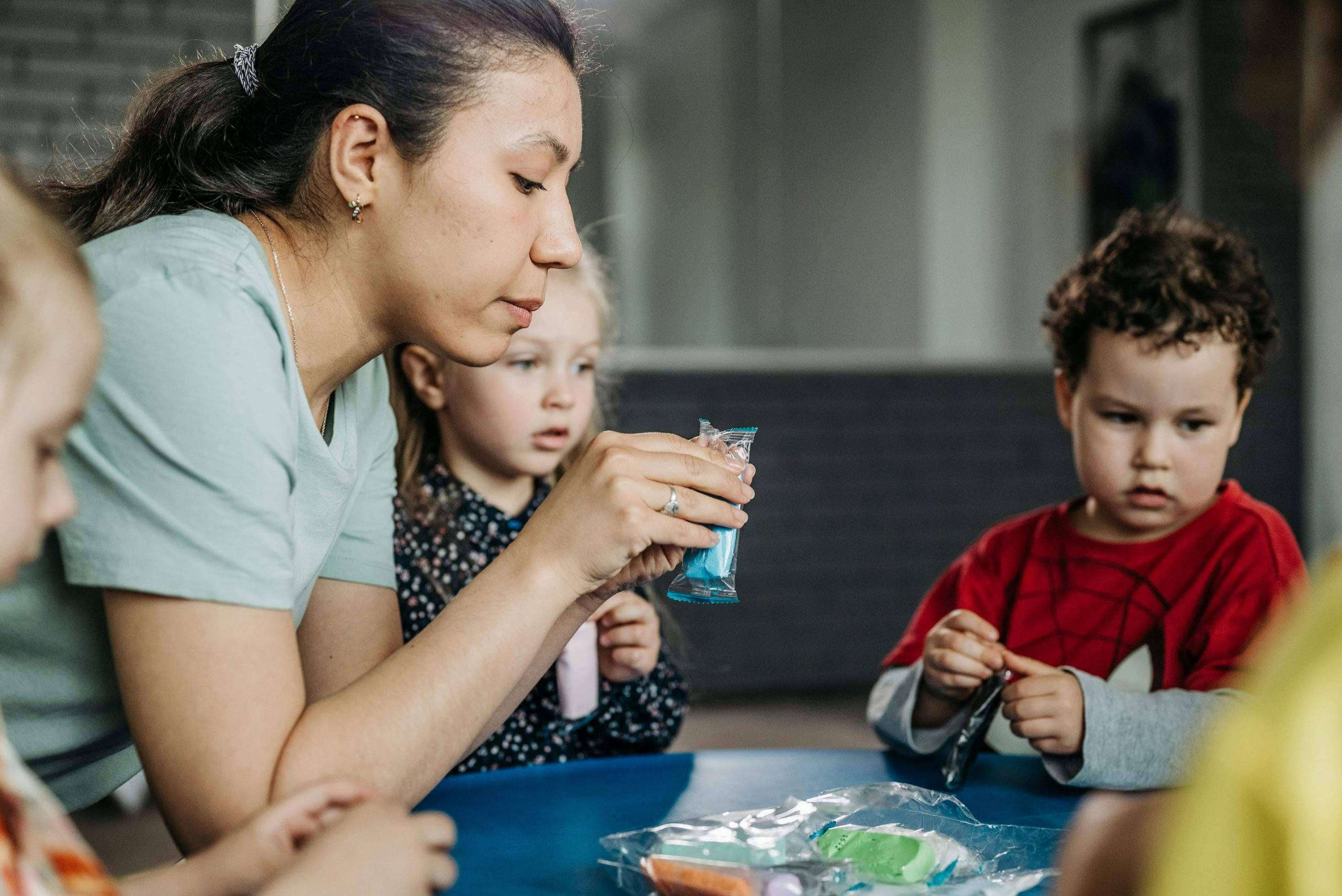
In an episode of the TV24 program "Doctor Answers," family doctor Ksenija Margole of the Dr. Vilkoite Vedera clinic explained why children tend to fall ill more often in colder months and how many illnesses per year can still be considered normal.
According to Margole, the spread of infections is driven less by cold weather itself and more by people spending more time indoors and in closed groups, such as kindergartens. In these conditions, viruses spread much faster than in summer, when most time is spent outdoors.
Eight times a year can be normal
Margole notes that for children attending kindergarten, getting sick roughly eight times a year can be entirely normal, and for some children the number may be even higher. However, she stresses that the number of illnesses alone is not the deciding factor when assessing a child's health.
What matters more, she says, is what kind of illnesses the child has, and how the child feels and develops during the periods between illnesses. If a child repeatedly has the usual runny nose or cough, this alone does not necessarily indicate a serious problem.
When to see a doctor
The situation is different if a child regularly develops recurring bacterial or purulent infections. According to Margole, this can be a reason to take a closer look at how the child's immune system is functioning and to consult a doctor.