Google excludes sanctioned countries from Android developer verification
Google has confirmed that developers in sanctioned nations will not be allowed to complete the Android developer verification process, effectively cutting them off from international app distribution. The restrictions will first take effect on September 30 in Brazil, Indonesia, Singapore, and Thailand, with a global expansion planned for 2027.
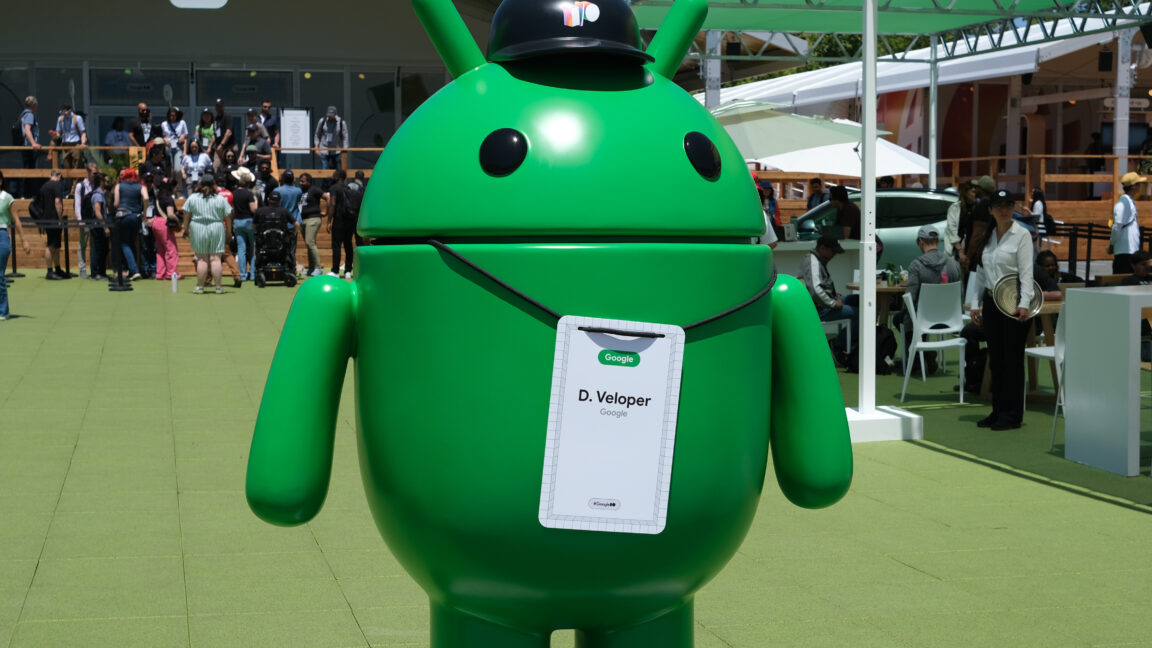
A Google spokesperson has confirmed to Ars that people living in sanctioned nations will not be allowed to go through the developer verification process. That means they will no longer be able to effectively distribute software through any international channel. Today, an app maker in a place like Cuba can freely distribute their work worldwide and at home; anyone can install it after tapping through a few sideloading alerts. In the coming months, that will change. Unverified apps will become easily installable only in the sanctioned countries where verification does not exist.
Advanced flow and a two-tier system
Earlier this year, Google clarified plans for an "advanced flow" to bypass developer verification. This process involves multiple steps, intimidating warnings, and a 24-hour wait. It offers a workaround for tech-savvy users, but most people will not know such an option exists. Verification will inevitably create a two-tiered system: verified apps that anyone can install, and unverified apps that almost no one can install.
Google says the change is necessary to combat scam apps. Yet paradoxically, sanctioned nations will experience greater app freedom. These are Google-certified phones at issue. In places like Cuba and Iran, most phones are Android devices with full Google certification because they are imported from regions where Google officially operates. Google is essentially acknowledging that its mobile services are being used and nominally supported in these places.
The company likely sees this as a legal tightrope. It cannot engage with developers in these locations to verify them, but it appears determined to proceed with verification. The solution seems to be leaving developers in these regions behind—no verification, but also no enforcement. Meanwhile, the rest of the world will have a more restricted user experience, though most developers globally can distribute software anywhere as long as they verify. Sanctioned developers will remain in a second-tier bubble.
By doing this, Google has tied the ability to distribute Android apps to the whims of the US Treasury Department, which maintains and enforces economic sanctions. Currently, Google plans to activate the verification restrictions on September 30 in Brazil, Indonesia, Singapore, and Thailand. The program is expected to expand globally in 2027.
/nginx/o/2026/09/29/17944469t1h1037.jpg)
