Georgia open to further talks with Russia but won't restore diplomatic ties
Georgian Prime Minister Irakli Kobakhidze said new talks with Russia on improving relations could follow, but they would not mean restoring diplomatic relations. Future meetings could be held in both Moscow and Tbilisi.
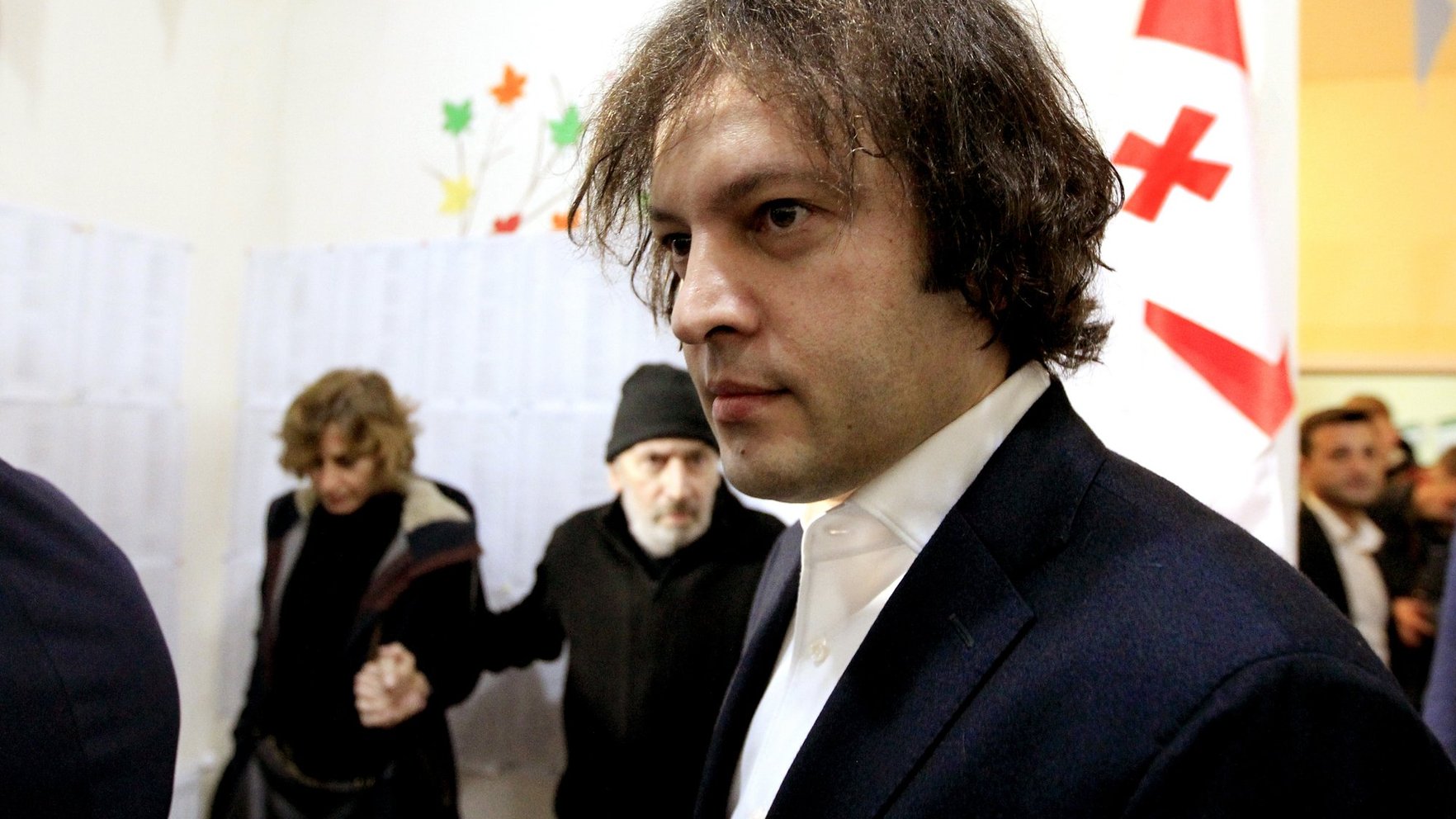
Georgian Prime Minister Irakli Kobakhidze said on Thursday, 26 November, that Georgia and Russia could continue talks aimed at improving relations. He stressed, however, that this would not amount to restoring diplomatic ties, which the two neighbours have lacked since the 2008 war.
Direct dialogue between the countries resumed last week, when Georgian Deputy Foreign Minister Giorgi Zurabashvili met his Russian counterpart Mikhail Galuzin in Minsk, the capital of Belarus. Kobakhidze told journalists that further meetings might take place in Moscow and Tbilisi, and that if this approach is adopted, the meetings should alternate between the two capitals.
The obstacle to diplomatic relations
Tbilisi severed diplomatic relations with Moscow after Russia's 2008 invasion. Following the five-day war, Russia recognised the independence of Georgia's breakaway regions of Abkhazia and South Ossetia and set up its own military bases there. Kobakhidze said diplomatic relations cannot be restored until Georgia's territorial integrity is restored, adding that only Georgia and Ukraine have no diplomatic relations with Russia.
The prime minister said Georgia would maintain its position on the occupation of its territories, but acknowledged that resolving the dispute will take time. Tbilisi would also consider cooperation initiatives proposed by Moscow, provided they are not aimed at "strengthening the opposition" and "weakening the government".
Wine imports and Moscow's stance
Zurabashvili said on Wednesday that Moscow plans to introduce new restrictions on imports of Georgian wine despite the resumption of dialogue. Russian Foreign Minister Sergei Lavrov, also on Wednesday, said Moscow is interested in normalising relations with Georgia.
Background
Critics accuse Georgia's ruling party, Georgian Dream, of trying to move the country closer to Russia, which the party denies. The European Commission has concluded that Georgia has backslid on democratic norms and that its bid to join the European Union is effectively frozen.