Guardian 1951 diary: townsfolk hold mistaken ideas about farm finances
A Guardian Country diary entry from 15 November 1951 describes how a Herefordshire farmer views townspeople's assumptions about rural life. The writer explains that labour costs force farms to sell their produce rather than keep it for themselves.
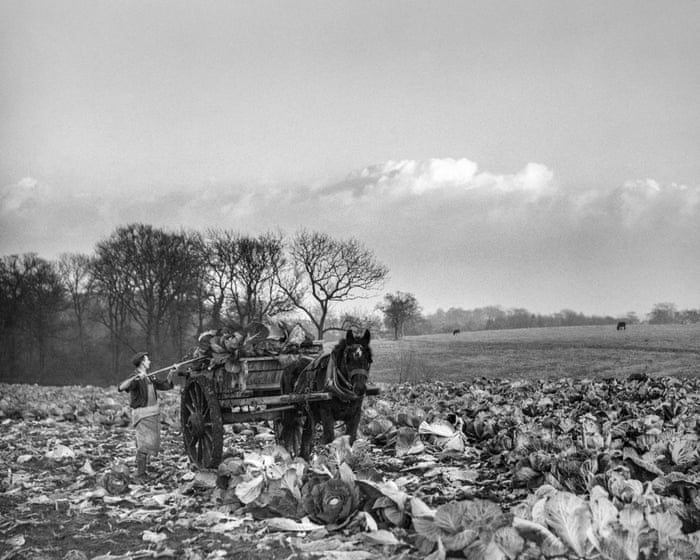
The Guardian newspaper's Country diary column, which carries observations on rural life, ran an entry on 15 November 1951 from the Hereford area of England. It reflects the farming experience of the period and the supposedly mistaken ideas townspeople held about farmers' incomes. The entry has been republished in the paper's archive series in November 2026.
The author says he likes hearing the opinions of fellow passengers on train journeys. Housing is their main concern. In his experience, townsfolk have a fixed idea of how well farmers are doing, and when that illusion is dispelled they add that the countryside at least has all the food a person could want.
Raw material, not a meal
The farmer's answer is that the countryside offers only raw, unprocessed material. Leisure is gone, and everything produced must be sent off to pay the labour bill. Feeding even a single pig would be prohibitive. Eggs go to egg-packers, and butter does not make itself in the milk churns sent off wholesale. Vegetables do not grow by themselves, and no labour can be spared for kitchen gardens.
A remembered past
The writer recalls that farms no longer have elderly men pottering about. Not long ago there was Forty Sacks, who camped in Tau Mor in summer and whose weekly ration could easily be collected from any farmhouse. Rabbit-skin dealings and some wood-sawing gave him extras. Nobody begrudged him food, and a visitor could not leave a farmer's wife without accepting a gift.
The entry closes with notes on the season's produce. The tomatoes stayed green but made good ketchup. The round green marrows did better than the white ones, so some were pickled in the German way with vinegar, a little spice and golden syrup.