First deportation flight arrives in Haiti after TPS status ends
The first deportation flight to Haiti since the US supreme court upheld the Trump administration's power to end Temporary Protected Status for roughly 350,000 Haitians landed in Cap-Haïtien on Thursday, carrying more than 160 people.
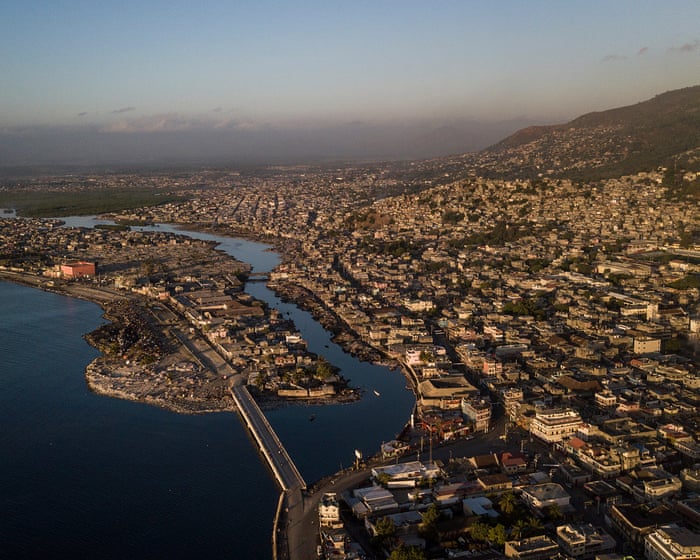
An ICE charter flight carrying more than 160 Haitian nationals landed Thursday in Cap-Haïtien, Haiti's second-largest city, marking the first deportation flight since the US supreme court backed the Trump administration's move to strip roughly 350,000 Haitians of Temporary Protected Status (TPS).
Cap-Haïtien was chosen because the main airport in the capital, Port-au-Prince, is considered too dangerous for such flights. A US ban on commercial flights to the capital remains in place until early September due to ongoing gang violence. The State Department's travel advisory for Haiti sits at its highest level, warning citizens not to travel there due to crime, terrorism, kidnapping and unrest.
Deportees wore white clothing and many covered their faces as journalists filmed their arrival, fearing retaliation from gangs that control an estimated 70% of Port-au-Prince and areas beyond. Almost none agreed to speak with reporters.
Eighth flight this year
This was reportedly the eighth ICE flight from the US to Haiti this year, following one on 16 July that carried deportees with criminal records. Jean Négot Bonheur Delva, director general of Haiti's migration office, told the Miami Herald the flight also included people born in Chile and the Dominican Republic who were sent to Haiti because they have a Haitian parent. Deportees were given roughly $76.40 — less than the cost of a ticket to Port-au-Prince, but enough to travel through gang-controlled roads.
The TPS termination took effect after Washington DC district judge Ana Reyes lifted a stay on deportations earlier this month, following the supreme court's ruling in favor of the administration. TPS, created by Congress in 1990, is meant to protect people already in the US when their home country faces disaster, conflict or similar crises.
Krish O'Mara Vignarajah, head of the nonprofit Global Refuge, called it contradictory that an administration warning Americans against all travel to Haiti is forcing hundreds of thousands of Haitians back into the same conditions. Department of Homeland Security secretary Markwayne Mullin said earlier this month that Haitians could self-deport or be arrested and removed.